
Same-day & Next-day Delivery

Quality Guaranteed

Unlock Your Welcome Offers: FREE Delivery | Up to 80% OFF | Free 30-day JoyPlus trial
Download the APP
Looking to buy onigiri for a quick lunch, snack or light meal? You’ll soon come across terms such as “handmade”, “ready to eat” and “authentic flavour”. These descriptions don’t always tell you what you really need to know. Storage method, preparation instructions and allergens can vary considerably from one product to another.
A frozen onigiri is handy to keep in reserve, but usually needs to be heated. A chilled version can sometimes be eaten straight away, but has a shorter shelf life. The following points will help you avoid making the wrong choice.
Some onigiri can be eaten straight away, while others need to be heated thoroughly first. Check whether the packaging says that the product is ready to eat or that preparation is required. A microwave instruction of one to three minutes is common for frozen varieties, but the exact time depends on the product and your microwave.
A 100-gram product may look the same as another, yet require completely different storage. According to the product information, Freshasia Teriyaki Chicken Onigiri 100g should be stored chilled at 0–4 °C and must not be frozen. Bamboo Cuisine varieties and several Freshasia flavours, on the other hand, should be stored at -18 °C or below.
Check the condition of the product when it is delivered. A frozen onigiri should arrive frozen. If the product has thawed, follow the instructions on the packaging and do not refreeze it.
An onigiri containing chicken, salmon or tuna may also contain ingredients such as soya, wheat, egg, mustard or celery. Always check the current packaging, particularly if you have a food allergy or intolerance. Product information can change, and some online listings may not fully match the packaging.
A 100 g onigiri is a compact individual portion. It’s ideal as a snack, lunchbox item or light meal. If you want to plan for several occasions, consider a 6 x 100 g onigiri multipack. A multipack is practical for families, students or keeping a supply in the freezer, but check how much space the packaging takes up.
The flavour determines how versatile your purchase will be:
Bear in mind that “crispy” on a microwave product does not automatically mean the outside will remain crunchy. Heating can soften the rice and filling.
Compare the values per 100 grams, not just per pack. The available product information shows differences in energy and salt content. For example, Freshasia Teriyaki Chicken lists 163 kcal and 1.45 grams of salt per 100 grams. Bamboo Cuisine Salmon Mayo lists 160 kcal and 0.63 grams of salt, while the Crispy Chicken variety lists 2.5 grams of salt.
These figures are product details, not a health assessment. Use the packaging as the current source of information.
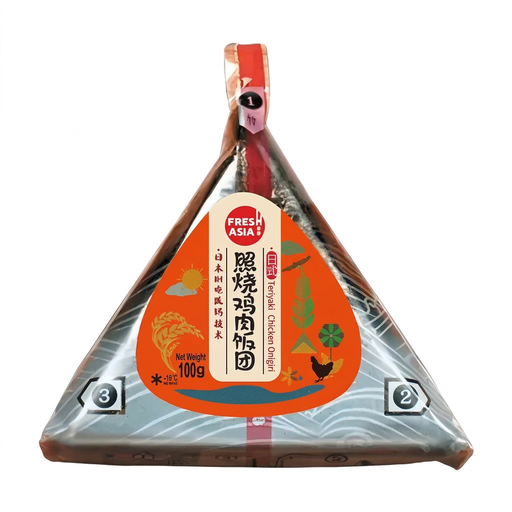
Why it suits this profile: A single 100-gram portion is a good way to try onigiri without immediately buying a multipack. This variety is chilled and, according to the product information, ready to eat.
The product information clearly states that it should be stored chilled at 0–4 °C and not frozen. This makes the difference between it and a frozen onigiri clear.
100 grams, 163 kcal per 100 grams and a teriyaki chicken filling containing 15% chicken according to the description. Contains soya, wheat, celery and mustard.
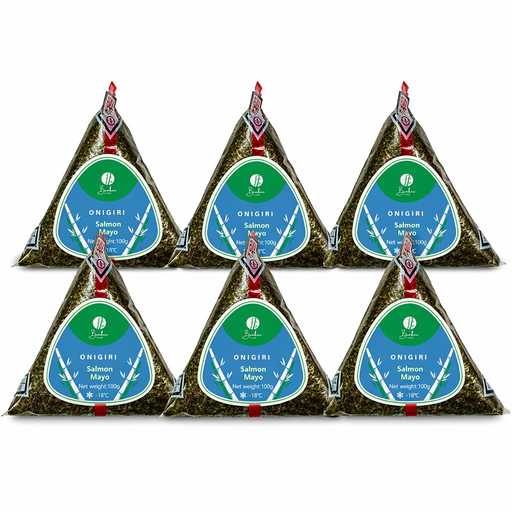
Why it suits this profile: The multipack of six portions is ideal if you regularly want to have a Japanese snack or quick meal at home.
The pack contains six individual 100-gram onigiri. Keep them frozen and, after thawing, follow the stated storage period; do not refreeze.
Six portions, salmon mayonnaise filling and 160 kcal per 100 grams according to the information provided. Check the current allergen information on the packaging.
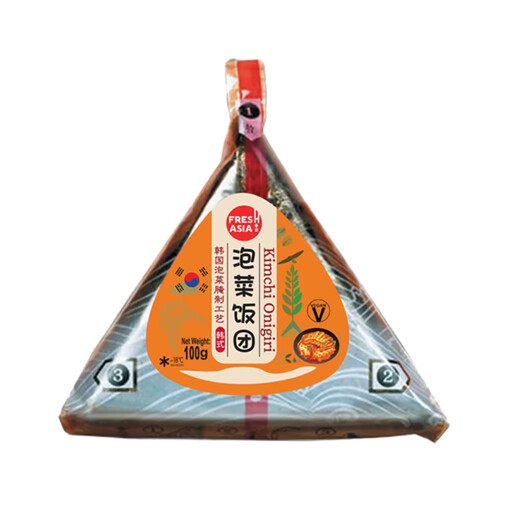
Why it suits this profile: A good choice for fans of a spicier flavour and anyone looking to prepare a warm, frozen snack.
The product information explicitly states that it must remain frozen at -18 °C or below and must not be refrozen after thawing.
Korean kimchi filling, individual portion and suitable for a lunchbox or quick preparation. Check the preparation time on the label.
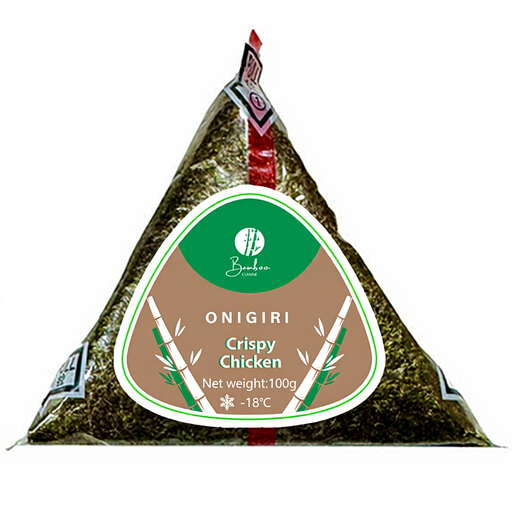
Why it suits this profile: The combination of chicken, mayonnaise and rice is ideal for anyone looking for a filling, savoury Japanese snack to heat up at home.
The product page states the storage conditions and advises against refreezing after thawing. This makes it easy to plan when to use it from the freezer.
100 grams per piece, 170 kcal and 29.8 grams of carbohydrates per 100 grams according to the product details. Contains ingredients including egg and mustard.
We’ve put together a complete, up-to-date list of products that fully meet these strict selection criteria and the applicable European safety regulations.
That depends on the product. According to the product information, Freshasia Teriyaki Chicken Onigiri is delivered chilled and ready to eat. Frozen varieties, such as kimchi and crispy chicken onigiri, are generally intended to be heated first. Always check the label.
Keep the onigiri frozen until the date shown on the packaging. After thawing, follow the stated chilled storage period. Do not refreeze a thawed onigiri. The exact shelf life may vary by brand and packaging.
A 100-gram onigiri is mainly intended as a snack, compact lunch or light meal. For a larger meal, you can combine several pieces with edamame, soup or a salad, for example. Also consider the total nutritional values and salt content of the combination.
