
Same-day & Next-day Delivery

Quality Guaranteed

Unlock Your Welcome Offers: FREE Delivery | Up to 80% OFF | Free 30-day JoyPlus trial
Download the APP
Glutinous rice balls come in many forms. Consider sweet tangyuan with red bean filling, coconut or peanut and sesame, as well as savoury Japanese onigiri with chicken or salmon. Yet many packets look alike. That makes it easy to buy a product that doesn't match your taste, cooking method or freezer space.
Watch out for three common pitfalls:
Glutinous rice balls are made with sticky rice flour. Despite the name, "glutinous" doesn't automatically mean the product contains gluten from wheat. Always check the allergen declaration, as some products contain wheat starch, soya sauce or other ingredients with gluten.
With Chinese rice balls, also known as tangyuan, the focus is usually on a soft, elastic outer layer and a sweet filling. Popular varieties include:
Onigiri is a different type of rice snack. These Japanese rice balls are typically made with ordinary round rice, seaweed and a savoury filling. Examples include onigiri with chicken, teriyaki or salmon and mayonnaise.
For tangyuan, look for glutinous rice flour in the ingredients list. That gives the characteristic soft and elastic texture. For onigiri, cooked rice is usually used. A product like Shinode Japanese rice is made from round rice and is intended for Japanese-style sushi. You can also use this rice to make your own onigiri.
Note the difference between:
The packet must state how the product is prepared. For many frozen tangyuan, the rule is: add them to boiling water, cook until they float to the surface, then let them cook for another one to two minutes. This applies, among others, to the Chinatown varieties with red bean, coconut, yam and peanut sesame.
Other products are intended for the microwave or steamer. According to the product information, the TCT New Orleans Chicken Rice Ball is heated in the microwave at 700 watts for one to two minutes, or steamed for three to five minutes. Always follow the instructions on the packet and check that the inside is piping hot all the way through.
Store frozen products at -18 °C or lower. According to the product information, a thawed product must not be refrozen. Also bear in mind the cold chain during delivery: check on arrival that the packet is still frozen.
Compare the ingredients list with your own preferences and the needs of your household. The Chinatown Glutinous Rice Ball Peanut & Sesame, for example, contains peanut, sesame and wheat. The coconut variety also contains wheat starch. If you need to avoid allergens, check the full packet before consumption.
For a quick lunch, 100g portions are practical. The Bamboo Cuisine Onigiri Salmon Mayo contains rice, seaweed, salmon and mayonnaise and is sold as an individual portion. The Chicken Teriyaki variety contains, among other things, chicken, egg and mustard. For a dessert moment with several people, 200g bags or the Fresh ASIA Mini Rice Ball at 300g are more convenient.
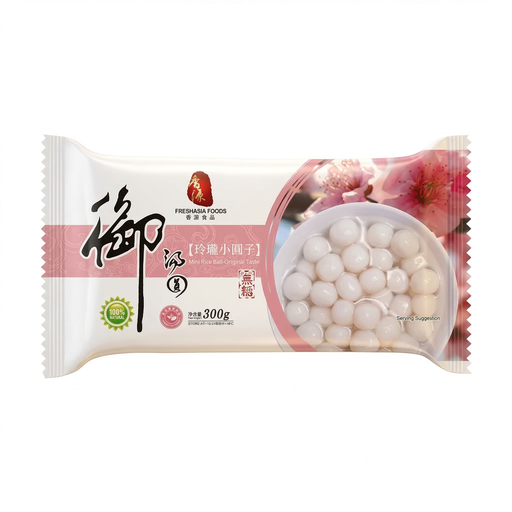
Why this fits the profile: These small rice balls without filling are ideal as a base for sweet soup, ginger syrup or red bean soup. You decide the flavour and portion yourself.
The packet lists just two ingredients: glutinous rice flour and water. So there's no hidden sweet filling you didn't choose.
300 g of content, quick to cook and usable in multiple desserts.
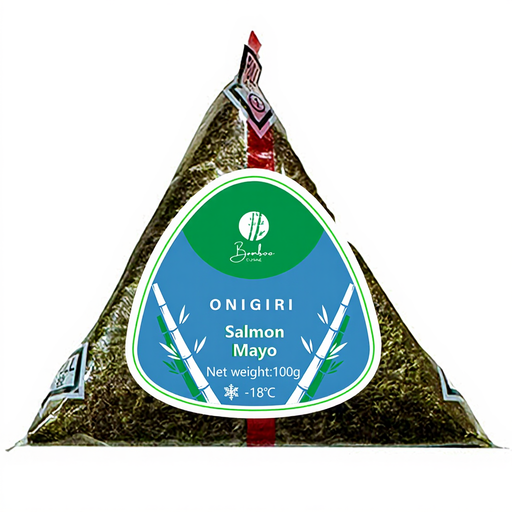
Why this fits the profile: An individual Japanese rice snack with salmon and mayonnaise for anyone looking for a savoury flavour and a fixed portion.
The 100g portion and listed ingredients make the choice straightforward. The product stays frozen until use and must not be refrozen after thawing.
Salmon mayonnaise filling, roasted seaweed and a clear single-serving portion.
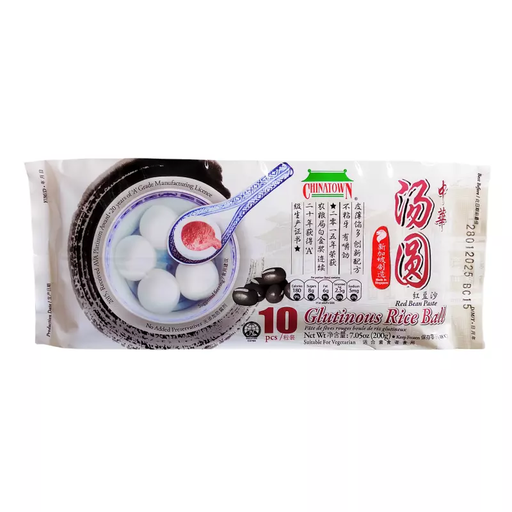
Why this fits the profile: These tangyuan with red bean filling are ideal for families and enthusiasts who want to prepare a traditional dessert regularly.
The cooking method is specific: boil until the balls float, then cook for another one to two minutes. This makes it clear that this is not a ready-to-eat product.
200 g of content, red bean filling and storage at -18 °C or lower.
We've put together a full, up-to-date list of products that fully meet these strict selection criteria and current European safety regulations.
For tangyuan, use a large pan of boiling water. Stir gently so the balls don't stick to the bottom. Once they float to the surface, check the extra cooking time on the packet. Serve them, for example, with ginger syrup, sweet soup or fermented rice wine. For a combination of red bean and coconut, note that the coconut variety contains wheat starch.
Onigiri is usually heated according to the instructions on the packet. Remove any packaging that isn't microwave-safe and let the product stand briefly after heating. For variety, you could choose the Bamboo Cuisine Chicken Teriyaki or TCT New Orleans Chicken Rice Ball. With chicken varieties, check the listed allergens, such as soya, egg or mustard.
Tangyuan usually refers to a sweet Chinese rice ball, often filled with red bean, coconut, yam or peanut sesame. "Glutinous rice balls" is a broader search term for products made with sticky rice flour. Onigiri is generally not considered tangyuan, as it is a savoury Japanese rice snack.
Store them at -18 °C or lower and observe the best-before date on the packet. Once thawed, they must not be refrozen. Store an opened packet according to the instructions on the label and prepare it as soon as possible.
That depends on the product. Raw tangyuan are usually intended for boiling in water. Some filled rice balls and onigiri are suitable for the microwave. Only use the method, wattage and time stated on the packet.
