
Vandaag of morgen in huis

Kwaliteit gegarandeerd

Welkomstaanbiedingen ontgrendelen: GRATIS bezorging | Tot 80% korting | Gratis 30 dagen JoyPlus-proefperiode
Download de app
Red bean paste is a versatile ingredient in Chinese and Japanese confectionery. You can use it as a red bean filling for mooncakes, buns, pancakes and pastries, or as a base for mochi with red bean paste, daifuku and other Asian desserts. Yet not every product labelled "bean paste" is the sweet azuki bean paste you're looking for.
The biggest mistakes usually come down to three common confusions:
Below you'll find out which specifications to check before buying red bean paste online, and which type suits your needs.
Japanese red bean paste, also known as anko, is typically made with azuki beans, sugar and sometimes salt. The texture can be smooth, as with koshi-an, or coarser with visible bean pieces. Imuraya Smooth Bean Paste, for example, lists raw azuki beans, sugar and salt as its ingredients.
Chinese sweet red bean paste is often used for mooncakes, bao, sesame balls and sweet soups. Check the label to see if it actually contains red beans, sugar and water. According to the product information, Wangzhihe Red Bean Paste 500g is a ready-to-use sweet paste made with red beans, sugar, water and vegetable oil.
Watch out for names that can be misleading. CBL Traditional Sweet Bean Paste lists only water, wheat flour and salt in its ingredients and is described as a Peking-style sauce for savoury dishes. This is not a suitable substitute for anko or red bean filling in mochi.
Red bean paste is a sweet ingredient. However, the sugar content, amount of oil and any additional ingredients vary by brand. So compare the nutritional information per 100 grams.
For Imuraya Smooth Bean Paste, per 100 grams you'll find 60.5 grams of carbohydrates, of which 48 grams are sugars, and just 0.6 grams of fat. Wangzhihe Red Bean Paste 500g states 45 grams of carbohydrates, of which 30 grams are sugars, and 5 grams of fat per 100 grams.
These figures don't tell you which flavour you'll personally enjoy. But they do help you plan your recipes better. A very firm and sweet paste is handy as a filling, while a softer paste works better as a topping or stirred into a dessert batter. Also check whether preservatives, sweeteners or sugar syrups have been added.
For consumers in the UK, EU rules on allergen labelling apply. Always read the full packaging, especially when you're baking for others.
With multi-item packs, pay extra attention to the ingredients. In the bundle with Mi Popo rice wine and tangyuan, the coconut flavour contains wheat starch. According to the information provided, the red bean tangyuan in the same bundle does not contain any of the 14 major EU allergens, but always check the current label upon delivery.
The choices below are based on verifiable information such as content, ingredients, storage and preparation method. They are intended for different use cases, not as a general ranking.
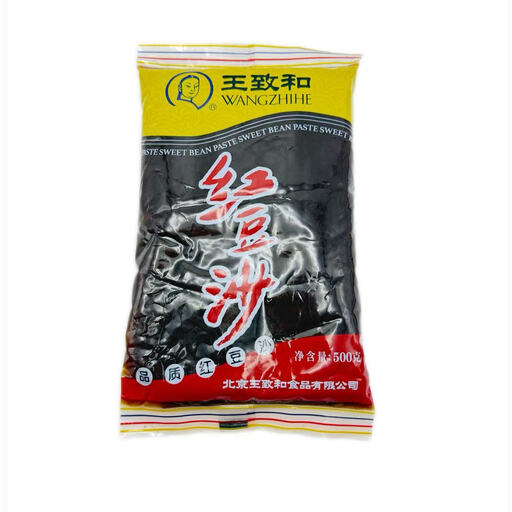
Why This Fits Their Persona: A 500g jar is practical for anyone trying anko for the first time in mooncakes, buns or pancakes without committing to a bulk pack.
The product information explicitly mentions red beans and use as a filling or topping. This reduces the chance of accidentally ordering a savoury bean sauce.
500 g content; ready to use; suitable for sweet fillings and toppings.
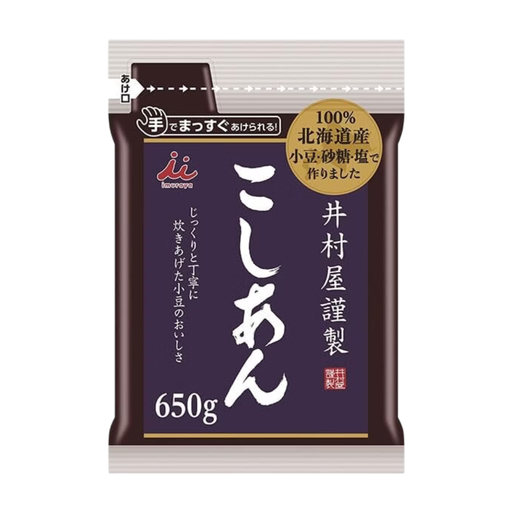
Why This Fits Their Persona: Ideal for anyone looking for a smooth Japanese red bean paste for daifuku, dorayaki, wagashi or homemade mochi.
The description mentions azuki beans and a smooth texture. This makes the distinction from coarser bean fillings much clearer.
650 g content; three listed ingredients; smooth paste for filling and baking.
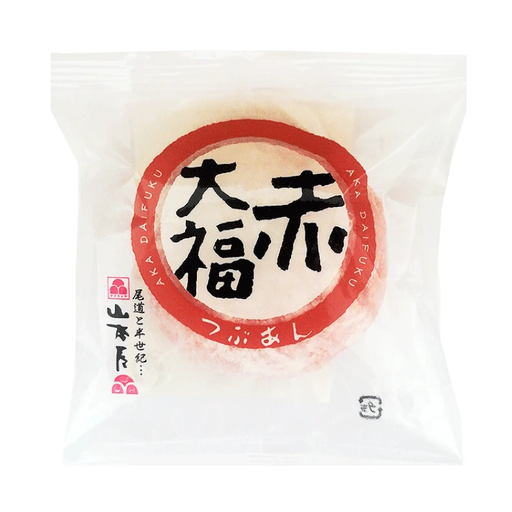
Why This Fits Their Persona: For anyone who wants to serve a Japanese dessert straight away without making mochi dough and red bean filling from scratch.
This is a ready-to-eat frozen dessert, not a loose paste. So you know upfront that you're buying convenience, not an ingredient for multiple recipes.
100 g per pack; product from Japan; preparation instruction of 1 to 2 hours defrosting.
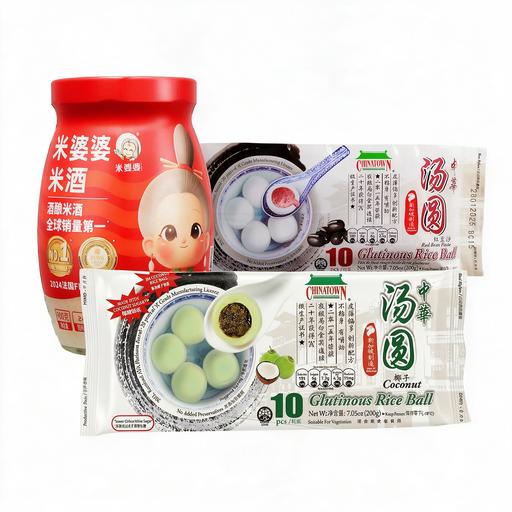
Why This Fits Their Persona: A practical combination for a family dessert during the Lantern Festival, the winter solstice or a casual evening at home.
The bundle separately lists 200 g of tangyuan with red bean filling, 200 g with coconut and 900 g of sweet rice wine. This makes the product choice much clearer than a vague title with just "bean paste".
Approximately 1,300 g total; two tangyuan flavours; rice wine component with 1.2% alcohol by volume according to the product information.
Browse a current selection of products that match these practical criteria and comply with current EU labelling information.
Anko is the Japanese name for sweet bean paste, usually made with azuki beans and sugar. The texture can be smooth or coarse. Chinese red bean paste is similar, but the recipe, sweetness and texture vary by brand. So check the ingredients and description rather than relying on the name alone.
Always follow the label. For the jars mentioned, the advice is to keep the paste refrigerated after opening and consume it promptly. Use a clean spoon to prevent contamination. Daifuku and tangyuan have different rules: they stay in the freezer until use and, according to the product information, must not be refrozen after defrosting.
Yes. A firm, smooth paste is suitable as a red bean filling for mochi, daifuku, mooncakes and sweet buns. For mooncakes with red bean paste, it's handy to weigh out portions in advance. For mochi, a cooler paste often works better for filling, as it's less likely to leak out of the dough. With ready-to-eat desserts, though, check whether you're buying a product that's already filled, such as daifuku, rather than a loose jar of anko.
