
Vandaag of morgen in huis

Kwaliteit gegarandeerd

Welkomstaanbiedingen ontgrendelen: GRATIS bezorging | Tot 80% korting | Gratis 30 dagen JoyPlus-proefperiode
Download de app
Buying a moisturising cream sounds simple, until you are faced with dozens of options. Face cream, day cream, night cream, body cream, cream with niacinamide or a cream for very dry skin: every package promises something different. The right choice mainly depends on where you use the cream, how your skin feels and which ingredients you tolerate.
Pay attention to marketing claims too. A product that promises “intensive” or “long-lasting” hydration will not automatically suit every skin type. Below are the most important pitfalls and checks for consumers in the Netherlands.
A body cream is often richer and sold in a larger package. This can be practical for the legs, arms, hands and elbows, but the texture may feel too heavy for the face. A moisturising face cream is usually lighter and intended for a smaller area.
So first check the intended application area. Does the product page say “face”, “body” or “face and body”? Do not automatically use a baby cream or body cream around the eyes; always check the instructions for use.
Brands sometimes use claims such as “24 hours” or “72 hours”. Treat this information as a product claim, not a personal guarantee. According to the product description for NIVEA Repair & Care Urea, the 72-hour claim is based on a self-assessment involving 41 volunteers and a measurement taken after two weeks of use. For the Intensive Body Cream, an instrumental test involving 33 or 34 participants is mentioned.
This does not mean that every user will have the same experience. When a brand mentions a measurable result, pay attention to the test method, number of participants and duration of use.
Niacinamide, vitamin E, vitamin C, urea and SPF may sound appealing, but the overall formula determines how a cream feels. For example, a cream containing perfume may be less suitable if you prefer to avoid fragrance ingredients. Acids such as AHAs also require extra attention to the instructions and any skin sensitivities.
So check the INCI ingredients list, fragrance information, warnings and recommended age. Stop using the product if irritation occurs and avoid contact with the eyes.
For normal or combination skin, a gel cream or lightweight day cream may feel comfortable. For dry skin, a richer cream containing ingredients such as glycerine, shea butter or panthenol is often suitable. A cream for dry skin is not automatically suitable for the face.
For sensitive skin, a short ingredients list, an alcohol-free formula and as few potential fragrance ingredients as possible are useful considerations. “Dermatologically tested” describes a test or assessment of skin tolerance; it is not a guarantee that every individual will tolerate the cream without problems.
A 400 ml tub may seem more expensive than a 50 ml tube, but it may offer better value per millilitre for daily body use. For a face cream, 50 ml is often a standard size. Compare the price per 100 ml, rather than just the price of the package.
A refill, such as those available for some Olay products, can be convenient if you want to continue using the original packaging. However, check that the refill actually fits your existing tub.
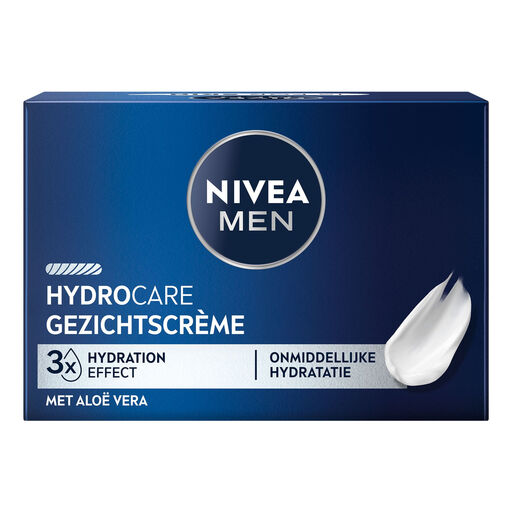
Why it suits this profile: A simple moisturising face cream for daily use on normal to dry skin, in a compact 50 ml size.
The product description states that it has a lightweight, fast-absorbing, non-greasy formula, so you do not need to choose a heavy body cream for your face.
50 ml; contains glycerine, panthenol and aloe vera according to the ingredients list; intended for daily use.
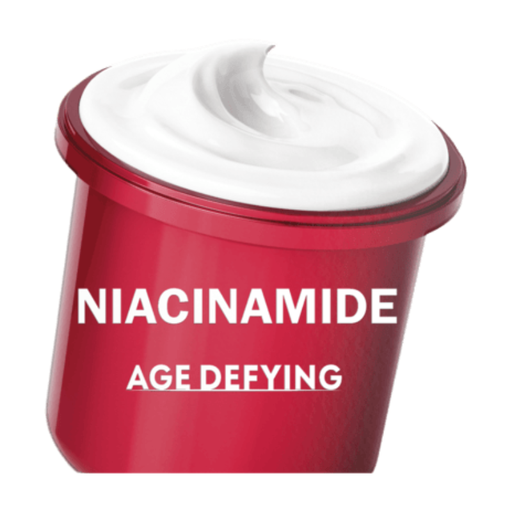
Why it suits this profile: For anyone who wants to combine hydration with niacinamide and SPF 30 in a day cream for the face and neck.
The product information clearly states the SPF, intended use and refill format. However, make sure you apply enough product to achieve the stated level of protection.
SPF 30; niacinamide and vitamin E listed in the product description; 50 ml refill pack.
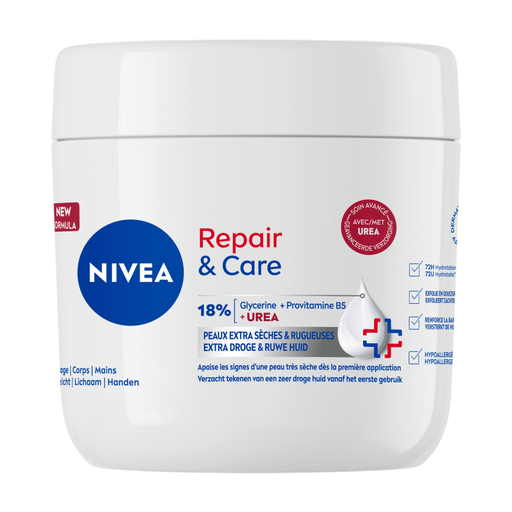
Why it suits this profile: Aimed at anyone looking for a body cream for very dry skin, for example for rough areas such as the knees, elbows and lower legs.
The product description explicitly mentions very dry and rough skin. The product title states 15% glycerine, while the description mentions 18%; therefore, check the packaging when it arrives.
400 ml; contains urea, glycerine and provitamin B5 according to the product information; dermatologically tested for skin tolerance according to the manufacturer.
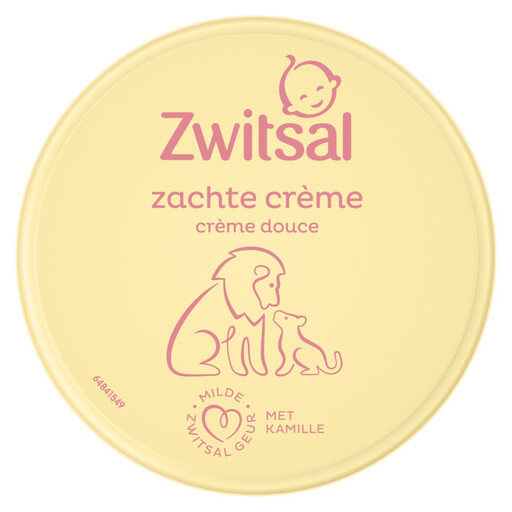
Why it suits this profile: For parents looking for a baby cream for the face and body, for example after bathing or for dry patches.
The product information specifies use on the face and body, skin-neutral pH and suitability from birth. Avoid contact with the eyes.
200 ml; contains vitamin E according to the product information; suitable for the face and body.
We have put together a complete, up-to-date list of products that fully meet these strict selection criteria and the applicable European safety regulations.
Apply a moisturising cream to clean skin. After showering, a body cream often feels best when the skin is still slightly damp. For the face, use a small amount and avoid the eye area unless the packaging states otherwise.
When trying a new cream for sensitive skin, first apply a small amount to a limited area of skin. Use a product containing AHAs or perfume according to the warnings on the label. A cream with SPF is intended for the stated application and protection factor; if you spend a lot of time outdoors, a separate sun protection product may be more practical.
This depends on your skin and the product. For daily comfort, you can use a face cream after cleansing and a body cream after showering. Dry or rough skin may need care more often. Always follow the instructions for use.
A day cream is often lighter and may contain SPF. A night cream is generally richer and intended for evening use. Check the ingredients: a night cream does not automatically contain more moisturising ingredients than a day cream.
Look for the open-jar symbol, such as “6M” or “12M”, and check the expiry information on the packaging. Store the cream in a cool, dry place, close the packaging properly and use clean hands. If the smell, colour or texture changes, stop using the product.
