
Vandaag of morgen in huis

Kwaliteit gegarandeerd

Welkomstaanbiedingen ontgrendelen: GRATIS bezorging | Tot 80% korting | Gratis 30 dagen JoyPlus-proefperiode
Download de app
A day cream with SPF combines two daily steps in one: moisturising and sun protection for your face. It sounds simple, but many shoppers choose based solely on a high number on the packaging. This can mean the cream feels too greasy, doesn't suit your skin's needs, or sits poorly under make-up.
So don't just focus on marketing terms like "anti-ageing" or "brightening". Instead, look at verifiable specifications: the SPF, the texture, the target skin type, the ingredients list and the usage instructions.
SPF 30 and SPF 50+ indicate protection against UVB radiation under standardised conditions. For broad-spectrum sun protection, it's also important to check whether the packaging mentions UVA protection. No sunscreen blocks all radiation.
Apply the product generously and follow the instructions on the packaging. Reapplication is essential if you're sweating, swimming or towel-drying. For prolonged sun exposure, a hat, shade and clothing are additional measures.
A rich formula can feel lovely on dry skin, but heavy on oily or combination skin. A lightweight gel cream or oil-free formula may be a better fit. If you have sensitive skin, check the ingredients list for fragrance, alcohol and known allergens.
Even "non-comedogenic", "hypoallergenic" or "dermatologically tested" doesn't guarantee that everyone will tolerate the formula without issues. Always test a new product on a small area of skin first, and stop using it if irritation occurs.
Brands may claim that a product reduces wrinkles, fades dark spots or makes skin appear firmer in a short time. Such statements are brand claims. According to the product description from Olay, for example, a more even skin tone and visible results after a certain period of use are mentioned. That's not a guarantee for every user.
So judge the formula, the SPF, the ease of use and the skin-type indication instead. An anti-wrinkle day cream can be a nourishing choice, but it doesn't replace medical treatment.
For daily use in the UK, many shoppers choose a day cream SPF 30. If you spend a lot of time outdoors, develop dark spots quickly, or want extra protection, you might consider a formula with SPF 50 or SPF 50+. Check whether the packaging also mentions UVA protection, for example via a UVA logo or another indication.
An SPF product only works at its stated factor when enough product is applied. A thin layer of day cream may therefore offer less protection than the test value on the packaging.
A moisturising day cream with SPF may be sufficient for normal skin. For strong sun exposure, a separate face sunscreen is sometimes more practical, because you typically apply a generous amount of that.
Niacinamide, vitamin E, antioxidants and peptides are common in an anti-ageing day cream. They can be part of the nourishing formula, but their presence doesn't automatically prove a visible effect on wrinkles.
For a day cream for dark spots, SPF and consistent use are important. Products with ingredients such as niacinamide, vitamin C, Thiamidol or other brightening components have different formulas and usage advice. Always check the full ingredients list and the warnings on the packaging.
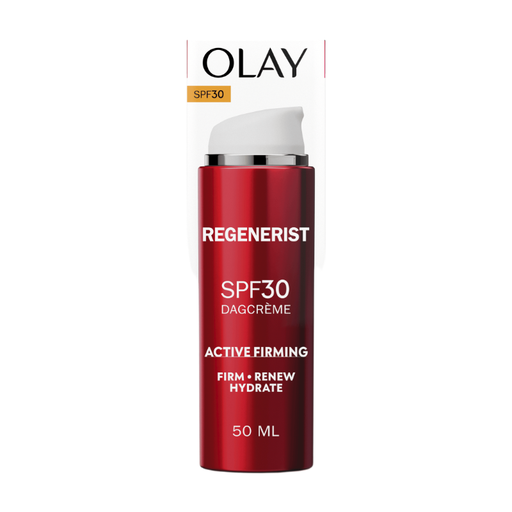
Why this fits the profile: A straightforward SPF30 formula for anyone looking for a daily face cream with SPF without having to combine multiple products.
The product details state SPF30, application to the face and a pump bottle. This makes the key usage information clear upfront.
SPF30, niacinamide and panthenol according to the ingredients list; designed for hydration and protection against UV radiation.
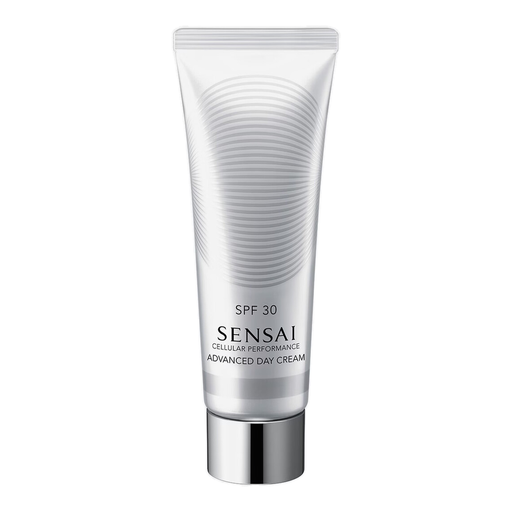
Why this fits the profile: Suits users who value a luxurious cream texture, fast absorption and a skincare-focused formula.
The product description mentions a light cream that absorbs quickly. The stated SPF30 and suitability for all skin types make comparison easier.
50 ml, SPF30 and a cream texture; the product details also list niacinamide and glycerine.
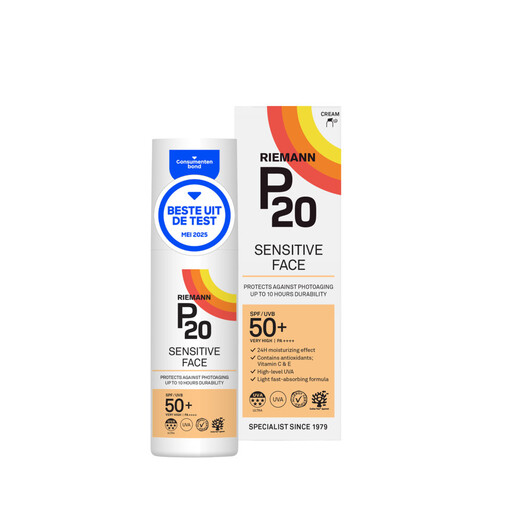
Why this fits the profile: Aimed at users who want higher protection for the face and are willing to pay close attention to application and reapplication.
The usage instructions mention applying generously 15 minutes before exposure and reapplying regularly, including after towel-drying or sweating.
SPF50+, 50 g and ingredients such as glycerine, panthenol and squalane according to the product details.
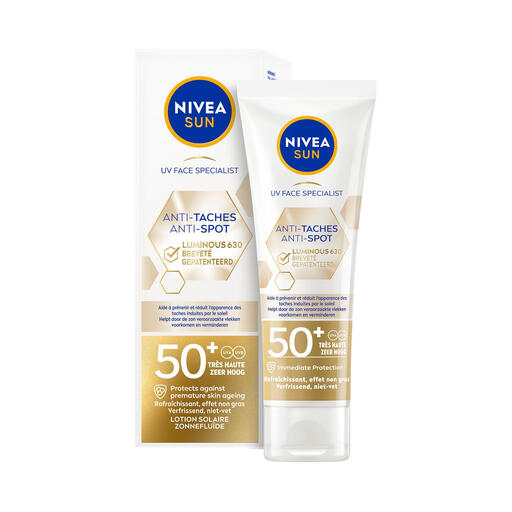
Why this fits the profile: An option for those who want to combine sun protection with a formula that, according to the brand description, targets dark spots and an even complexion.
The SPF50+ is clearly stated and the product information mentions UVA and UVB protection. The claim about Luminous630 comes from the brand description.
SPF50+, 40 ml size and a lightweight formula according to the product description.
We've put together a full, up-to-date list of products that fully meet these strict selection criteria and comply with current European safety regulations.
That depends on the amount of product, the SPF and the duration of exposure. For a short daily commute, a day cream SPF 30 can be practical. For a trip to the beach, exercise or spending a long time outdoors, a separate face sunscreen is often more convenient, because you can apply enough of it and reapply regularly.
Yes, choose a fast-absorbing formula with a non-sticky finish. Let the cream sink in for a moment before applying make-up. A tinted version, such as a product with colour pigments, can combine hydration, light coverage and SPF, but check that the shade suits your skin.
Follow the expiry information on the packaging, including the period after opening. Store the product in a cool place away from direct sunlight. If the scent, colour or texture changes, or if the cream causes irritation, stop using it. The SPF value only remains effective when the product has been stored correctly and used according to the instructions.
