
Vandaag of morgen in huis

Kwaliteit gegarandeerd

Welkomstaanbiedingen ontgrendelen: GRATIS bezorging | Tot 80% korting | Gratis 30 dagen JoyPlus-proefperiode
Download de app
Buying a moisturising cream seems simple enough – until you have to choose between a face cream, body cream, gel, balm or multi-purpose moisturiser. Marketing copy often promises long-lasting hydration, a restored skin barrier and a lightweight texture. Yet not every cream suits every skin type or application.
This guide will help you know what to look for and which popular choices work best for different situations.
A claim like “24 hours” or “72 hours’ hydration” may be based on a specific testing method. With the NIVEA Repair & Care Urea Body Cream, the 72-hour claim is described as a self-assessment with 41 volunteers, measured after two weeks of use. For other products, it might be an instrumental test or a clinical evaluation.
So treat such numbers as product information, not a guarantee for every user. Climate, showering habits, skin type and the amount of cream you use all affect the result.
A multi-purpose cream can be handy, but a rich body cream may feel heavy on oilier facial skin. Conversely, a lightweight face cream might not provide enough comfort for very dry elbows, hands or legs.
Pay attention to the stated application area, skin type and texture. A cream for dry skin usually contains more emollient or occlusive ingredients than a daily moisturiser for normal or combination skin.
Glycerine, hyaluronic acid and urea are common humectants, but their presence alone doesn’t tell you how a cream will feel. The rest of the formula matters too. Fragrance, for example, can be a concern for people who prefer to avoid scents.
Always check the current ingredients list on the packaging. Product information can change and is the definitive guide for use and allergens.
Glycerine helps retain moisture in the upper layer of the skin and appears high on the ingredients list in many formulas. A cream with glycerine is therefore a logical choice for daily use.
Hyaluronic acid often appears on ingredients lists as sodium hyaluronate or a similar form. It is used as a humectant. A cream with hyaluronic acid can be either light or rich; the overall formula determines how it feels on the skin.
Urea is common in intensive skincare for dry and rough skin. The concentration matters. Check it on the packaging, especially when the product title and description mention different percentages.
Panthenol, shea butter, oils and silicones can contribute to a soft, cared-for feel. Each plays a different role in the formula. A product that helps reduce moisture loss is not the same as a product that demonstrably treats a skin condition.
A non-greasy cream that absorbs quickly is practical for the morning or after a shower. A balm or rich cream may be more suitable for very dry areas, especially when you don’t need to get dressed straight away.
Also consider:
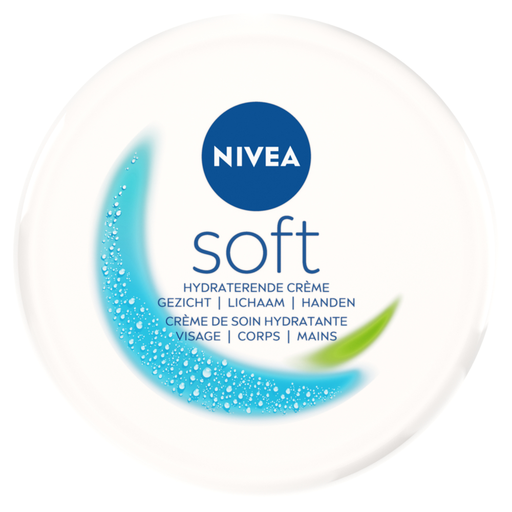
Why this fits the profile: A practical choice when you want one light cream for face, hands and body.
The application and size are clearly stated. The light formula is designed to absorb quickly without a sticky feel, according to the product description.
200 ml, jojoba oil and vitamin E; suitable for daily use on face and body according to the product information.
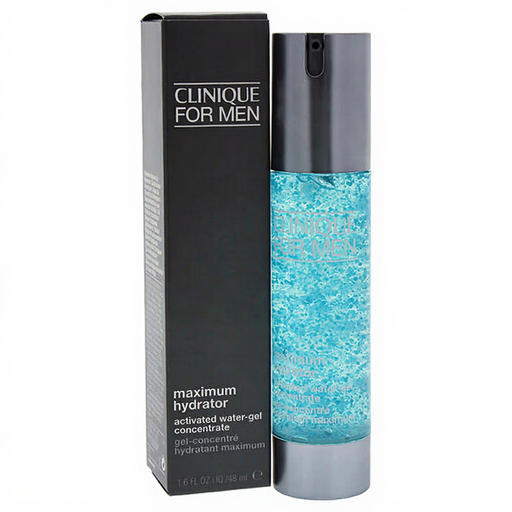
Why this fits the profile: Designed for men who prefer an oil-free water-gel texture for face and neck.
The gel texture and “oil-free” claim make the finish more predictable than with a rich body cream.
48 ml, pump dispenser, water-gel formula and, according to the product specifications, fragrance-free and oil-free.
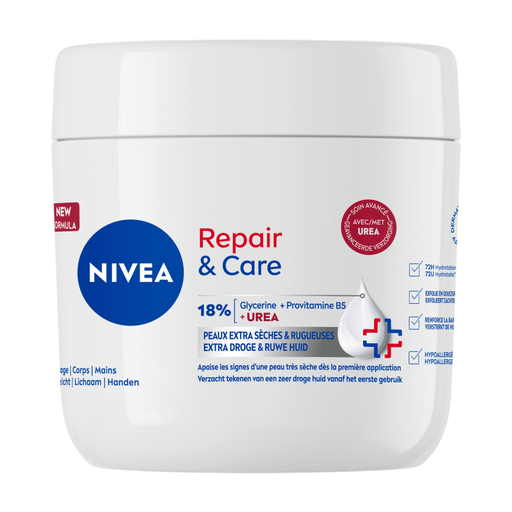
Why this fits the profile: Designed for users who want a richer body cream for very dry and rough skin.
The formula lists glycerine, urea, provitamin B5 and dermatologically tested skin tolerance. Check the exact urea percentage on the packaging, as the product information provided mentions different percentages.
Large 400 ml size; contains glycerine, urea and panthenol according to the ingredients list.
Apply a body cream after showering, when your skin is clean and still slightly damp. This makes the cream easier to spread and you often need less product. For the face, a small amount is usually enough. Test a new product on a small area of skin first, especially if you have sensitive skin.
Stop using it if you experience redness, swelling or irritation, and follow the safety instructions on the label. A moisturising cream is a cosmetic product and does not replace medical advice.
We’ve put together a full, up-to-date list of products that fully meet these strict selection criteria and comply with current European safety regulations.
Look for a formula with humectants like glycerine, hyaluronic acid or urea, and a richer texture if your skin feels tight or rough. Also check for fragrance and other ingredients you personally prefer to avoid.
You can if the product description mentions both uses. A multi-purpose cream is practical, but pay attention to the texture. A rich body cream can feel heavy on the face, especially if you have oily or combination skin.
Follow the expiry date and the period-after-opening symbol on the packaging. Store the cream in a dry place at room temperature, away from direct sunlight. Do not use a product whose smell, colour or texture has clearly changed.
