
Vandaag of morgen in huis

Kwaliteit gegarandeerd

Welkomstaanbiedingen ontgrendelen: GRATIS bezorging | Tot 80% korting | Gratis 30 dagen JoyPlus-proefperiode
Download de app
Korean soft drinks stand out for flavours you do not always find in Dutch supermarkets. Think pear, muscat, grape, peach, melon and milky soft drinks such as Milkis. However, it can be difficult to see at a glance exactly what you are buying. Eye-catching packaging reveals little about the sugar content, size or suitability for drinking on the go.
Anyone buying Korean drinks or other Asian soft drinks online is likely to encounter three common pitfalls:
Always compare nutritional values per 100 ml, not just per package. A 230 ml pouch may contain more sugar than a 200 ml can, even when the figures per 100 ml are similar.
According to the product information provided, Ice Talk Blue Lemon Ade contains 8.4 grams of sugar and 35 kcal per 100 ml. A 230 ml pouch therefore contains approximately 19 grams of sugar. Jardin Muscat Ade lists 15.65 grams of sugar per 100 ml and 36 grams per 230 ml pouch. This makes it particularly suitable for anyone deliberately choosing a sweet Korean lemonade.
If you are looking for sugar-free Korean soft drinks, consider Sweet16 Korean Pear Ade Zero Sugar or Sweet16 Blue Lemon Ade Zero Sugar. The product description states that they contain no added sugar or are zero sugar, but check the current packaging for the complete nutrition table and sweeteners used.
Read the ingredients list if you are sensitive to specific ingredients. Several Korean drinks contain none of the 14 major EU allergens, but this does not apply to the entire range.
Milkis Melon, for example, contains milk and soy. Milkis Strawberry Soda also contains milk and soy. The combination of carbonation, milk powder and fruit or melon flavour makes Milkis different from a standard soft drink. If you have an allergy or intolerance, do not rely solely on the product image or a brief description. Check the label before consumption.
Also look out for sweeteners such as sucralose, acesulfame K, aspartame or E955. The product information for Pepsi Peach Zero Sugar lists, among others, aspartame, acesulfame K and sucralose. People with phenylketonuria should pay particular attention to the statement regarding phenylalanine.
A 200 to 250 ml can is practical if you want to try a flavour first or are looking for a serving to accompany a meal. Multipacks of 24 cans are better suited to parties, a well-stocked pantry or regular consumption. Pouch drinks of approximately 190 to 230 ml are lightweight and convenient for picnics and travelling, but check whether the packaging includes a straw and how the pouch should be stored after opening.
Store unopened products according to the label, usually in a cool place away from direct sunlight. Many drinks should be refrigerated after opening and consumed within the stated period. With carbonated varieties, opening slowly is advisable. Do not shake a can of Milkis before opening.
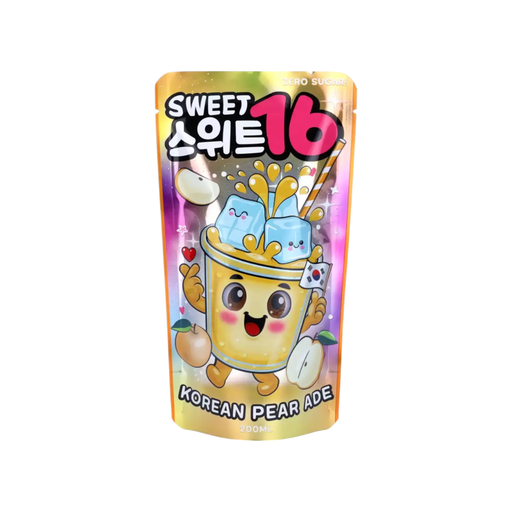
Why it suits them: A compact size for trying a Korean pear-flavoured fruit drink, described as sugar-free according to the product information.
The label makes the zero-sugar choice clearer than a general term such as “light”. Still, check the current nutrition table.
200 ml and described as sugar-free in the product information; convenient as an introduction or smaller serving.
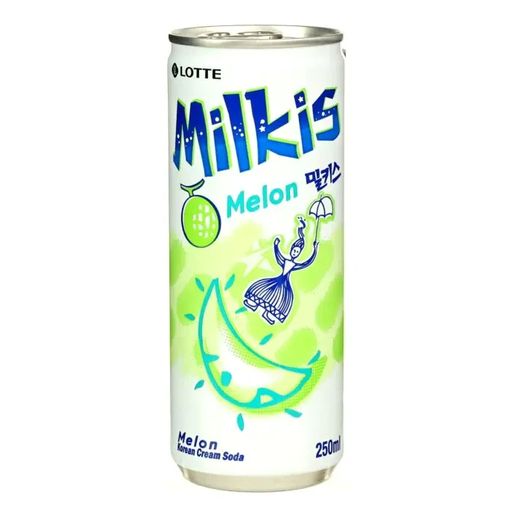
Why it suits them: For anyone keen to discover Korean snack culture and looking for a creamy soft drink with melon flavour.
The product information explicitly mentions milk powder and soy. This allows you to check the allergens before ordering.
250 ml, carbonated, melon-flavoured and listed as containing 48 kcal per 100 ml.
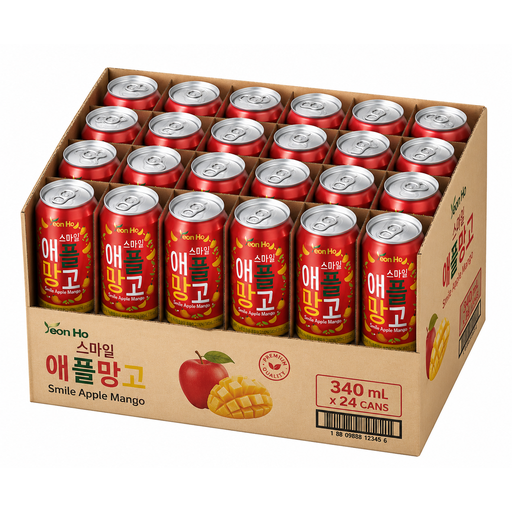
Why it suits them: A multipack for a Korean meal, birthday party or household where fruit-flavoured drinks are served regularly.
The number of cans and the total volume are clearly stated. This prevents a trial pack from being mistaken for a larger stock pack.
Apple and mango purée; according to the product information, 33 kcal and 8.5 grams of sugar per 100 ml.
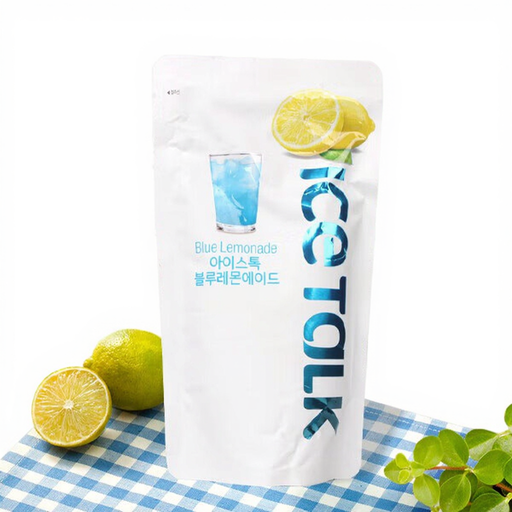
Why it suits them: The pouch is ideal for taking to a park, picnic or casual gathering.
The packaging is clearly identified as a pouch, so you will not mistakenly expect a standard can. The nutritional information is also specified.
230 ml, lemon-flavoured, 35 kcal per 100 ml and none of the 14 major EU allergens according to the product information.
Browse a current selection of Korean carbonated soft drinks and compare flavours, sizes, ingredients and nutritional values before ordering.
For a fruity flavour without carbonation, Cantabile Pomegranate Ade, Cantabile Watermelon Ade and Cantabile Blueberry Ade are available in pouches or smaller formats. According to the product information, Bong Bong Grape and Haitai Bong Bong Peach contain real fruit pieces or pulp. This creates a different texture from that of standard Korean lemonade.
If you prefer carbonation and a distinctive flavour, Lotte Lemon & Lime Lemonade, Pepsi Peach Zero Sugar and the Milkis range are logical options to compare. Pepsi Peach Zero Sugar is listed as containing 0 kcal and 0 grams of sugar per 100 ml. With Milkis, bear in mind that it contains milk and soy allergens.
Look for products clearly labelled zero sugar and check the nutrition table. Sweet16 Korean Pear Ade Zero Sugar, Sweet16 Blue Lemon Ade Zero Sugar and Pepsi Peach Zero Sugar are described as sugar-free in the product information. The sweeteners and allergens used may vary by product.
“Korean ade” generally refers to a fruit-flavoured drink, often with citrus, grape, pear or berry flavours. Some varieties are carbonated, while others are still. The term itself says nothing about the sugar content or fruit percentage. Always check the ingredients, nutritional information and product description.
Store unopened drinks according to the label, generally in a dry place away from direct sunlight. Refrigerate an opened pouch or bottle and consume it within the period stated on the packaging. Before use, check that the cap, seal or packaging is undamaged.
