
Vandaag of morgen in huis

Kwaliteit gegarandeerd

Welkomstaanbiedingen ontgrendelen: GRATIS bezorging | Tot 80% korting | Gratis 30 dagen JoyPlus-proefperiode
Download de app
Asian drinks are available in the Netherlands in many flavours and sizes: from Asian soft drinks and ready-to-drink teas to coconut water, aloe vera drinks and herbal teas. The wide range makes comparing appealing, but also tricky. An eye-catching package or the words “natural”, “light” or “refreshing” don’t always tell you enough about what’s inside.
If you’re looking to buy an Asian drink, it’s worth avoiding three common pitfalls:
Always check the nutritional information table per 100 ml. This way you can compare small packs and multipacks fairly. A drink with 8 to 10 grams of sugar per 100 ml contains significantly more sugar in a 500 ml bottle than the table suggests at first glance.
With a sugar-free drink, check the ingredients list for sweeteners. According to the product information, Sweet16 Green Grape Ade Zero Sugar contains sucralose and stevia among other things, and states 0 grams of sugar and 2 kcal per 100 ml. That makes it an option for anyone looking for a fruity flavour without sugar in the nutritional information table. The taste experience of sweeteners can differ from that of sugar.
With fruit drinks and tea containing fruit, also pay attention to the actual fruit content. Naïsnow Peach Oolong Tea, for example, states a total fruit content of at least 10 per cent. With coconut water, the difference between 100 per cent coconut water and a blended drink is equally relevant. IF Thailand Premium lists coconut water as the only ingredient, while FOCO Coconut Water with Pineapple combines coconut water with 5 per cent pineapple juice.
Words like “natural”, “traditional” or “with vitamin C” are no substitute for the ingredients list. According to the brands’ own product information, such drinks can contain various additives, including acidity regulators, flavourings, colourings and preservatives.
So check:
For example, RICO Bubble Red Tea Drink lists milk powder in the ingredients and states milk as an allergen. Some Nestlé drinks state that they are produced on equipment that also processes peanuts, milk or oats. If you have an allergy, you should always check the current packaging. Product information in a webshop can change.
A multipack of 6 x 250 ml contains 1.5 litres and is suitable for the fridge, work or sharing. After opening, follow the storage instructions. For several ready-to-drink tea products, it is recommended to keep the drink refrigerated and consume within 24 hours. For some coconut waters, a longer period applies after opening, but instructions also vary by brand here.
Choose the size based on your habits:
A drink with herbal tea or plant extracts is not automatically suitable for every purpose. According to the brands’ own product information, it is mainly about flavour and composition. So don’t take claims about effects as a medical promise.
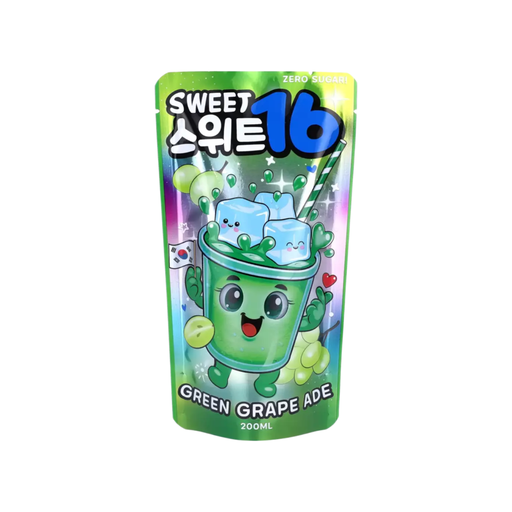
Why this suits the profile: A small portion with green grape flavour and 0 grams of sugar per 100 ml. Handy for getting to know Asian soft drinks without immediately choosing a large multipack.
The nutritional information states 0 grams of sugar and 2 kcal per 100 ml. Do check the sweeteners on the label.
200 ml per pack; 0 grams of sugar; green grape flavour; recommended chilled.
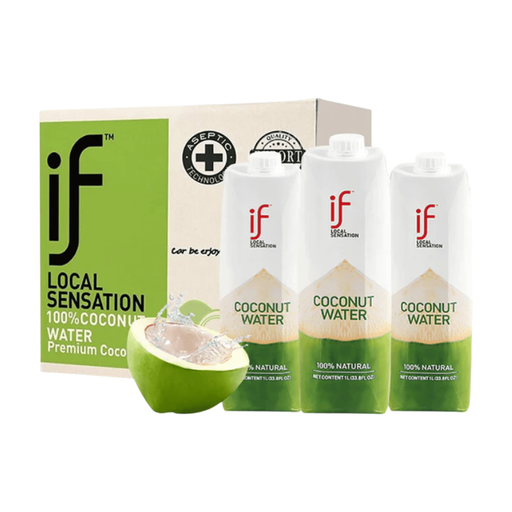
Why this suits the profile: For anyone who values a simple ingredients list and a large storage size. The product information states 100 per cent coconut water and no added sugar.
The composition lists only coconut water. This makes the difference between pure coconut drink and flavoured varieties clearer.
1 litre per pack; 100 per cent coconut water; 21 kcal per 100 ml; box of 12.
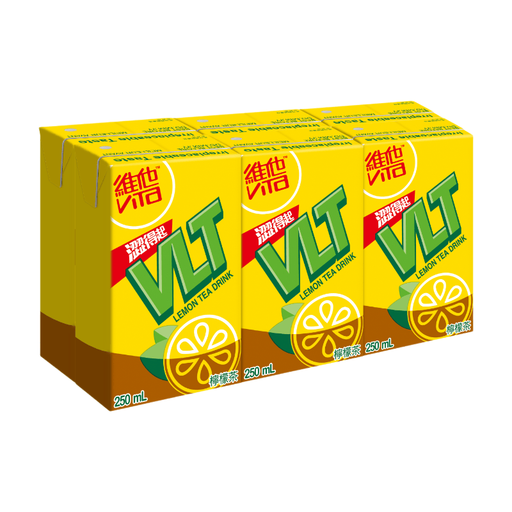
Why this suits the profile: A ready-to-drink tea in six 250 ml portions. Suitable for work, visitors or a stock for several drinking occasions.
The product information states black tea, lemon juice and 10.2 grams of sugar per 100 ml. So you know in advance that this is not a sugar-free drink.
250 ml per bottle; black tea and lemon juice; six pieces; serve chilled.
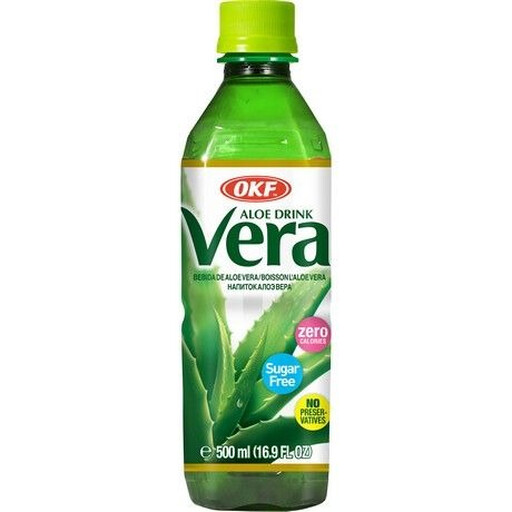
Why this suits the profile: A 500 ml bottle for anyone looking for a different texture and flavour than tea or traditional soft drinks.
The product name states sugar free. Do check the actual nutritional information table and ingredients on the packaging when you receive it.
500 ml; aloe vera drink; none of the 14 main EU allergens according to the product information.
We’ve put together a full, up-to-date list of products that fully meet these strict selection criteria and current European safety regulations.
This varies by product. Sweet16 Green Grape Ade Zero Sugar states 0 grams of sugar per 100 ml. Some aloe vera drinks are also offered as sugar free. Always check the ingredients list, because a sugar-free drink can contain sweeteners.
Coconut water contains water and naturally occurring nutrients, but it remains a drink with calories and sugars. The composition differs by brand. IF Thailand Premium states 100 per cent coconut water, while other varieties contain fruit juice or fructose. So compare the label and choose the size that suits your drinking occasion.
Store unopened packs according to the label, usually in a cool place out of direct sunlight. After opening, the drink often needs to be refrigerated and used within 24 hours. The exact time varies by product; always follow the current packaging.
