
Vandaag of morgen in huis

Kwaliteit gegarandeerd

Welkomstaanbiedingen ontgrendelen: GRATIS bezorging | Tot 80% korting | Gratis 30 dagen JoyPlus-proefperiode
Download de app
A roll of kitchen paper might seem simple to choose, but differences in size, ply thickness and sheet strength have a direct impact on ease of use and cost. A cheap pack can end up being less economical if you need several sheets for a single spill. Conversely, a bulk pack isn’t practical when you have limited storage space.
Pay particular attention to these common pitfalls:
The description 2-ply or 3-ply tells you how many layers the paper has. More layers can contribute to strength and absorbency, but they don’t on their own tell you how much liquid a single sheet can hold. The paper structure, the sheet surface and the thickness also play a part.
For kitchen paper used on grease and moisture, it’s wise to look at:
A product description for Nalys Xtra, for example, states that the paper stays strong when wet, doesn’t fray and is absorbent. These are claims from the brand’s product information; practical experience can vary depending on the cleaning task.
Don’t just compare the number of rolls – also compare the number of sheets per roll. A jumbo kitchen roll can replace many standard rolls, but the comparison needs to be based on the stated sheet count and size.
The Selpak Kitchen Paper Jumbo 1x6 states approximately 300 sheets per roll, with sheets measuring roughly 260 × 228 millimetres. According to the product description, one roll equals six standard rolls. That can be useful for a household that does a lot of cleaning, as long as the roll holder and storage space are suitable.
Double rolls can also save space. Nalys Wish states that two rolls equal four standard rolls. With such claims, always check the actual contents and the number of sheets on the packaging.
If you’re looking for environmentally friendly kitchen paper, you’ll often come across terms like recycled paper, bamboo kitchen paper, compostable and biodegradable kitchen paper. These terms are not a direct guarantee of a lower overall environmental impact.
Look out for:
The BABO product listings describe the paper as made from pure bamboo pulp and as compostable and biodegradable. Treat this as information from the product description and check the actual packaging and local waste regulations. Bamboo does not automatically mean that every part of the packaging or the product is compostable at home.
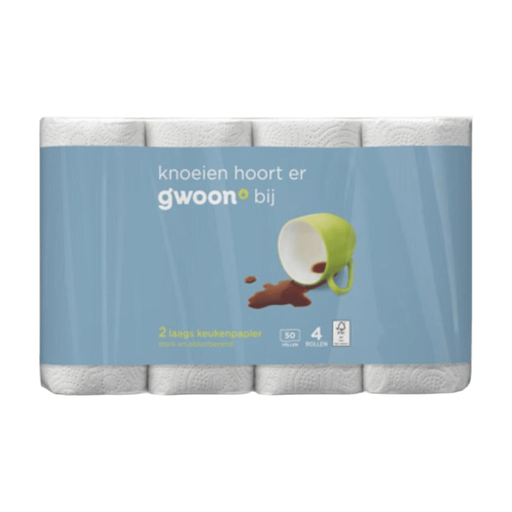
Why this fits the profile: A straightforward pack for everyday use, such as drying hands, removing small stains and soaking up spilled drinks.
The packaging clearly states that it contains four rolls of 2-ply kitchen paper. This lets you compare the contents based on concrete product information rather than just a marketing term.
2-ply structure and four rolls for regular household tasks.
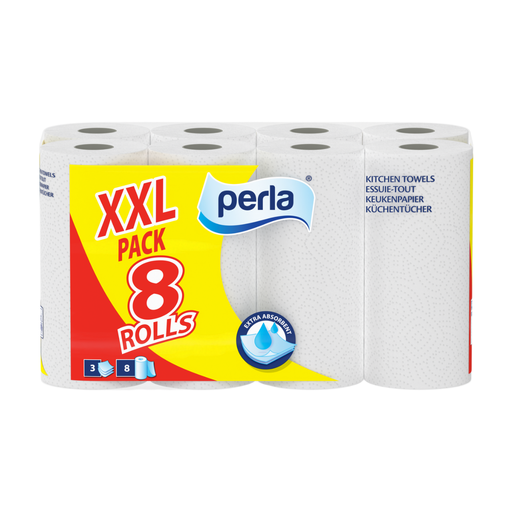
Why this fits the profile: Ideal for households that want a thicker kitchen roll and a larger supply for cooking and cleaning.
The listing states both the number of rolls and the 3-ply construction. This makes it clearer what you’re buying than a pack that only says “extra thick”.
3-ply paper and a pack of eight rolls; according to the product description, it is designed for absorbency and daily use.
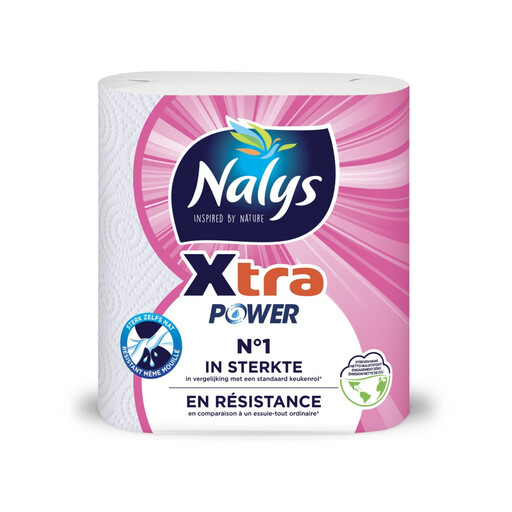
Why this fits the profile: A practical choice for anyone who wants to use kitchen paper wet on stubborn stains, grease and larger cleaning jobs.
According to the product description, the paper stays strong when wet and doesn’t fray. That addresses tasks where thin paper quickly falls apart.
According to the brand’s product information: multi-use, absorbent and resistant to use when wet.
We’ve put together a full, up-to-date list of products that fully meet these strict selection criteria and comply with current European safety regulations.
A strong kitchen roll isn’t always automatically cheaper. It’s best to calculate the price per roll and per sheet. A roll with larger sheets can be more efficient for a fair amount of liquid, whereas smaller sheets are sufficient for crumbs or a single drop.
Also use the perforation wisely. Don’t automatically tear off several sheets when one sheet will do. For grease, first remove excess grease with a spatula or cloth, then use kitchen paper. Dispose of used kitchen paper in your general waste according to local waste regulations; do not flush it down the toilet.
Look at the product information on absorbency, sheet size and structure. A 3-ply product or a paper with a larger sheet size can be practical, but the actual amount of liquid absorbed varies from product to product. Examples with explicit absorbency information include Nalys Xtra, Nalys Moisture Catchers and Selpak Jumbo.
Kitchen paper generally doesn’t have a short shelf life, but store it dry and away from moisture. Check the packaging for any best-before or storage information. A damp storage area can damage the paper structure before you even use the roll.
That depends on the price per sheet, the size of the sheets and your usage. A bulk pack or jumbo kitchen roll may reduce the number of shopping trips, but it takes up more storage space. So compare rolls, sheets, ply thickness and price together before you order.
