
Vandaag of morgen in huis

Kwaliteit gegarandeerd

Welkomstaanbiedingen ontgrendelen: GRATIS bezorging | Tot 80% korting | Gratis 30 dagen JoyPlus-proefperiode
Download de app
A roll of kitchen paper may seem straightforward, but differences in sheet size, layers, material and packaging have a direct impact on how it performs. A cheap kitchen roll may run out sooner than expected, while a large roll is not automatically better value. Terms such as “extra strong” or “maximum absorbency” also need to be assessed against the actual product specifications.
The main pitfalls when buying kitchen paper are:
With 2-ply kitchen paper, two layers of paper are bonded together. This generally provides more structure than a single-ply sheet, but the overall performance also depends on the density and surface area of each sheet. So don’t just check whether it is “2-ply”; also look at:
For example, the C&S kitchen paper roll with 200 sheets per pack, four packs per box and a size of 225 × 200 mm is neatly packaged for households that like to keep supplies in stock. According to the product information, it is fragrance-free and made from 100% virgin wood pulp. View the C&S kitchen paper roll with 200 sheets for the latest details.
A different type of paper is needed for water on the worktop than for oil, sauce or baked-on dirt. For intensive use, look at the combination of absorbency, sheet structure and tear resistance. A thicker sheet is not automatically more economical: if the sheet is small or falls apart quickly, you may end up using several sheets.
A maxi roll can be useful for families or households where cooking is frequent. The PAPER Maxi Roll consists of two rolls and is described as strong and absorbent for soaking up grease and dirt. Store kitchen paper in a dry place, as also stated for this product. View the PAPER Maxirol Kitchen Paper Towel.
Many kitchen rolls are made from cellulose or wood pulp. If you are looking for an alternative, you may also come across bamboo kitchen paper. According to BABO’s product information, this paper is made from bamboo pulp and is unbleached. The seller also states that it is compostable and biodegradable. As these properties depend on the product and packaging information, it is wise to check the latest specifications and local waste disposal guidelines.
There are also reusable kitchen wipes for everyday cleaning. These can be used dry or damp. However, check whether “reusable” means that the product can be washed, or whether the manufacturer intends it to be used several times before disposal. This helps avoid confusion about costs and waste.
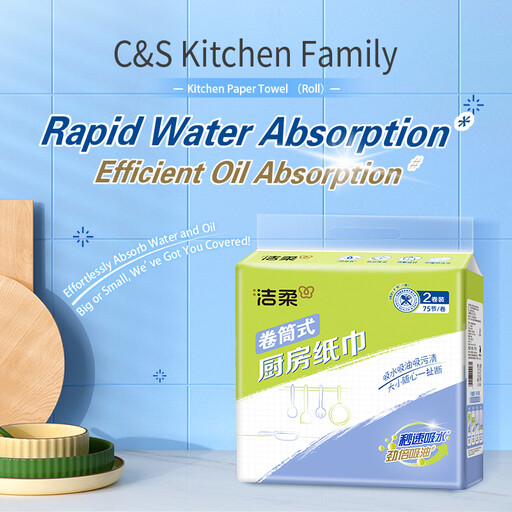
Why it suits this profile: A straightforward choice for students, smaller households or anyone who wants to try a compact pack before buying in bulk.
The product name states that it contains 75 sheets and has 2 layers, making it easier to compare with other options than simply counting the rolls.
2-ply construction; pack containing 2 rolls according to the product name.
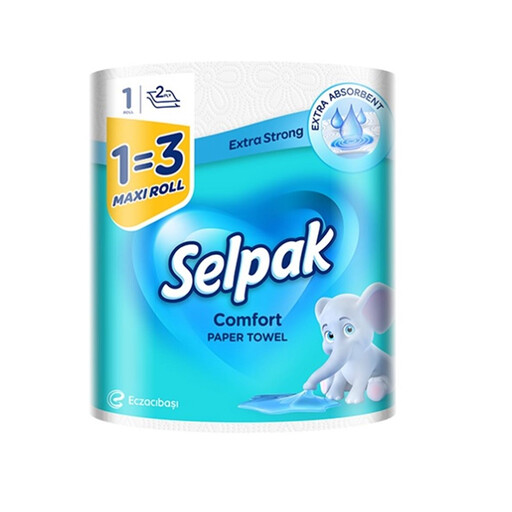
Why it suits this profile: Ideal for households that cook frequently and prefer one large kitchen paper roll to several smaller rolls.
The number of 260 sheets is clearly stated. This lets you compare the contents with smaller packs and calculate the price per sheet.
260 sheets; 2-ply; material listed as 100% cellulose.
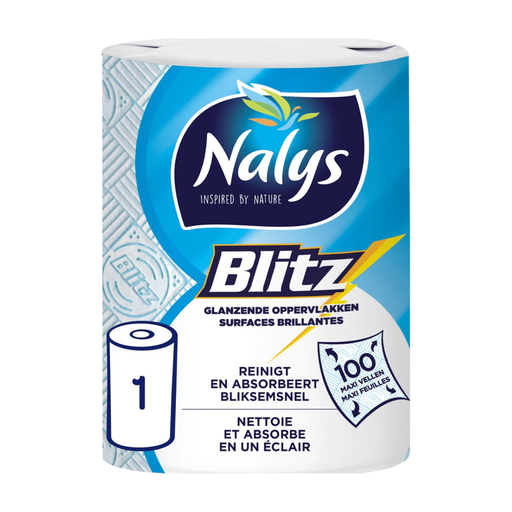
Why it suits this profile: A practical option for larger spills, grease and cleaning tasks where a more generous sheet size can be useful.
Rather than relying solely on a claim about strength, you can check the concrete details: 100 extra-large sheets and 3 layers.
3-ply paper; extra-large sheets according to the product information; paper packaging.
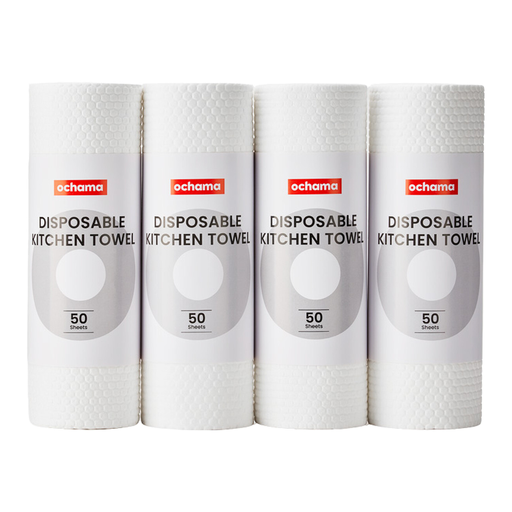
Why it suits this profile: Useful for anyone who wants to use a wipe dry or damp in the kitchen, on the dining table and on other surfaces.
The pack contains 200 sheets, divided across 4 rolls of 50 sheets. This makes the quantity clearer than an unspecified bulk pack.
200 sheets; 4 rolls; suitable for dry and damp use according to the product description.
We’ve put together a complete, up-to-date list of products that fully meet these strict selection criteria and the applicable European safety regulations.
Don’t compare the price per pack alone. Ideally, calculate:
Also consider storage. Kitchen paper should be kept dry, away from moisture and strong odours. A bulk pack of kitchen paper is only practical if you have enough storage space and the rolls will not be crushed or get wet.
For drying hands, dealing with small spills and light cleaning, 2-ply kitchen paper is often a practical choice. For oil, heavy soiling or larger amounts of moisture, 3-ply sheets, extra-large sheets or a maxi roll may be more suitable. Always consider the sheet size and number of sheets alongside the number of layers.
When stored dry and sealed, kitchen paper will generally remain usable as long as the packaging and sheets stay clean and dry. Products may include specific shelf-life information on the packaging. Follow the label and do not use the paper if it has become damp, discoloured or dirty.
That depends on how often you use them, how easily they can be cleaned and how quickly you replace them. Reusable kitchen wipes can reduce the use of disposable paper on everyday surfaces. For raw ingredients, heavily soiled areas or situations where you want to prevent cross-contamination, a separate sheet of kitchen paper may be more practical. Check the usage and disposal instructions for each product.
