
Vandaag of morgen in huis

Kwaliteit gegarandeerd

Welkomstaanbiedingen ontgrendelen: GRATIS bezorging | Tot 80% korting | Gratis 30 dagen JoyPlus-proefperiode
Download de app
A pot of steaming broth, thin slices of meat and a selection of Asian hotpot ingredients on the table: hotpot is easy to organise, as long as you choose the right meat. Many packs look similar online, but differences in slice thickness, quantity, origin, allergens and cooking instructions can have a big impact on your meal.
Look out for these three common pitfalls:
Thin slices are generally best for Chinese hotpot or sukiyaki. Products sliced to 1 to 1.5 mm cook quickly in boiling broth. Thinly sliced beef for hotpot, such as ribeye or brisket, also absorbs the flavour of the broth easily.
A 1 mm slice is handy when you want to cook the meat briefly. A 1.2 mm slice offers a little more texture. Hotpot lamb is often sold in similarly thin rolls or slices. When buying lamb, check which cut is specified, such as shoulder or shank.
For pork hotpot, you can choose thinly sliced pork fillet, pork neck or Iberico pork shoulder. A fattier cut usually stays more tender when cooked briefly, while lean pork can dry out more quickly if it stays in the pot for too long.
For a meal with several ingredients, allow around 150 to 250 g of meat per adult. If you’re adding plenty of noodles, vegetables, tofu, fish balls or hotpot meatballs, the lower end of that range is often enough.
Check whether a pack contains one bag or several portions. Two 500 g packs are handy for a family or an evening with guests, while 250 to 500 g is a better fit for one or two people.
Pure beef, including some Angus beef products for hotpot, is often labelled 100% beef. However, meat rolls and mixed meatballs may contain soya, wheat, egg, fish, crustaceans, molluscs or sesame.
Information varies by product:
Store frozen hotpot meat at the temperature stated on the pack, often at -18 °C or below. Defrost the meat in the fridge if instructed, and always follow the cooking instructions on the label. Some meatballs can go straight from the freezer into boiling broth; others, such as the marinated beef meatballs, need to be fully defrosted first.
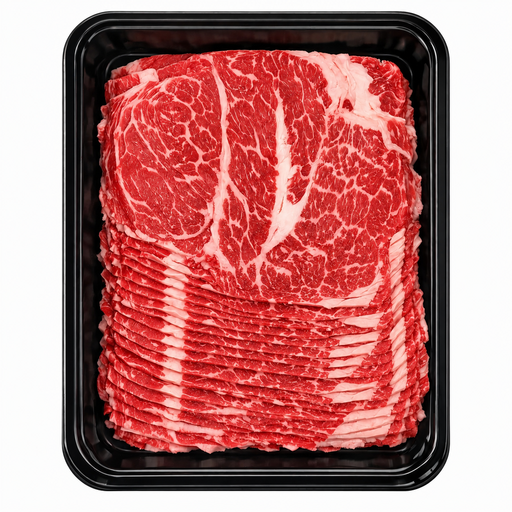
Why it suits this shopper: The 500 g pack is a manageable size, and the 1 mm slices are ideal for a quick hotpot meal for one or a few people.
The product information clearly states the slice thickness: 1 mm. So you don’t have to rely solely on the photo or the word “Angus”.
100% beef according to the product information, 500 g net weight and 21.3 g of protein per 100 g.
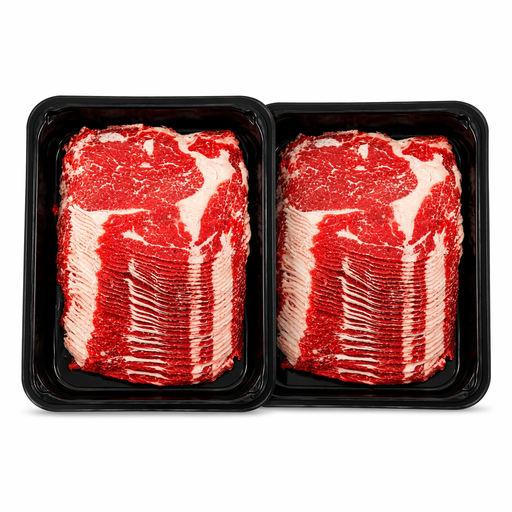
Why it suits this shopper: The twin pack is ideal for a larger group or for anyone planning several hotpot evenings.
The 1.2 mm slice thickness and beef ingredient are clearly stated. The pack also provides storage and defrosting instructions.
1 kg in total, 100% beef and, according to the product information, sourced from the Netherlands.
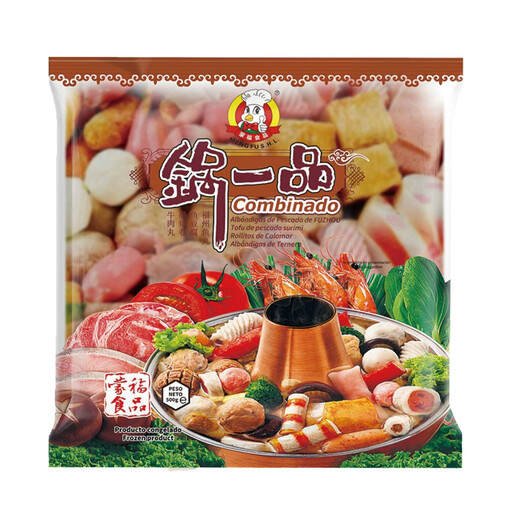
Why it suits this shopper: This pack combines Fuzhou fish balls, stuffed pork balls, squid rolls and beef balls for anyone looking for more variety alongside meat rolls.
The pack lists several varieties and allergens, along with clear cooking instructions: add while frozen and boil for around 5 to 7 minutes.
500 g product weight and four different types of balls; suitable for hotpot, soup and other dishes.
Start with one type of thinly sliced meat, then add different textures. A practical combination could include:
Pay particular attention to the allergen list on mixed products. According to the brand’s own product description, a product may contain soya, wheat, egg, fish, sesame or molluscs, for example. Use separate tongs for raw meat and cook it thoroughly before eating.
We’ve put together a complete, up-to-date list of products that meet these strict selection criteria and the applicable European safety regulations.
Thinly sliced beef, lamb and pork are all good choices. Look for slices around 1 to 1.5 mm thick, and check whether the product is raw or already cooked. Raw slices need to be cooked thoroughly in the broth.
Allow around 150 to 250 g per adult. If you’re serving plenty of vegetables, tofu, noodles and meatballs, 150 g is often enough. For a meal where meat is the main feature, you can aim for closer to 250 g.
It depends on the product. Thin meat rolls can often go straight into boiling broth, but always follow the label. Some meatball packs say to add them while frozen; other products need to be fully defrosted first. Don’t refreeze defrosted meat if the product information says not to.
