
Vandaag of morgen in huis

Kwaliteit gegarandeerd

Welkomstaanbiedingen ontgrendelen: GRATIS bezorging | Tot 80% korting | Gratis 30 dagen JoyPlus-proefperiode
Download de app
A successful hotpot night starts with the right ingredients. Alongside sliced meats, fresh vegetables, and tofu, hotpot meatballs are an indispensable element. But anyone who has stood before the freezer aisle of an Asian supermarket knows the decision paralysis. The selection is enormous, and the packaging isn't always clear.
Choosing the wrong meatballs can be a major disappointment. Common pitfalls include:
This guide will help you avoid these mistakes and choose the right frozen soup balls for your next meal.
To make a great choice, you don't need to decipher ingredient lists like a pro. Pay attention to the following three key points, and you'll almost always be on the right track.
The foundation of a good meatball is the quality and quantity of its meat. The most common types are pork, beef, and fish.
Check the ingredient list for the meat percentage. A higher percentage (ideally above 50%) usually indicates better quality and a fuller flavour. Products with low meat content often contain more starch, which leads to the dreaded "flour ball."
Texture is what sets Asian meatballs apart. That coveted 'bouncy' or 'springy' texture, also known as the 'Q-feel', is achieved through a specific production process where the meat is ground into a fine paste or emulsion.
Taiwanese meatballs are renowned for their excellent springy texture. If you're seeking this specific eating experience, look for products that mention this origin. Meatballs with added tendon, as found in some stuffed beef meatballs, offer an even more interesting, firmer bite.
Stuffed meatballs add an extra dimension to your hotpot. The filling can range from savoury minced meat and shiitake mushrooms to cheese or even a 'burst' of broth.
Stuffed meatballs are a fun way to add variety, especially when you have guests.
Based on the criteria above, we have selected a few products that cater to different preferences.
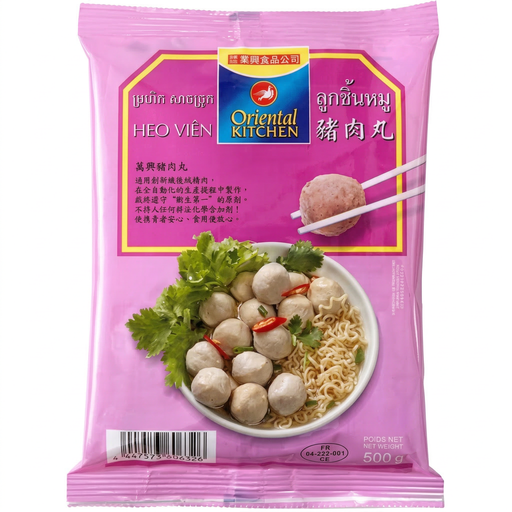
Why This Fits Their Persona: Ideal for those new to hotpot. These pork meatballs are a safe and flavourful choice. They have a mild taste that doesn't overpower and fit into almost any broth, from a simple chicken stock to a mildly spicy version.
This product avoids the "flour ball" pitfall with a good ratio of meat to other ingredients, resulting in a juicy and flavourful ball instead of a dry, crumbly texture.
Versatile in use: not just for hotpot, but also for soups and stir-fry dishes. The texture is tender and juicy with a light springiness.
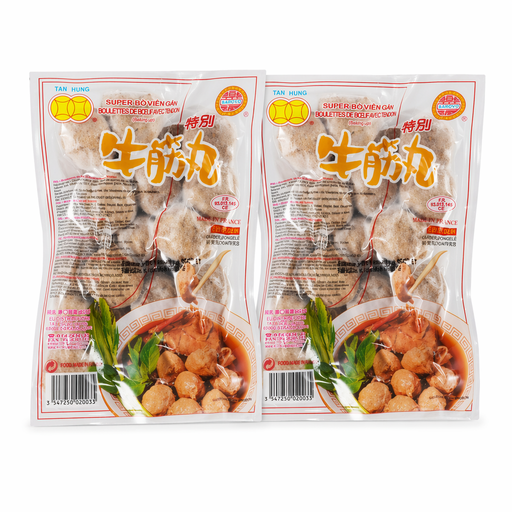
Why This Fits Their Persona: For those for whom texture is everything. These beef meatballs are enriched with beef tendon, a classic technique to create an extra firm and chewy bite that enthusiasts of authentic Asian cuisine appreciate.
This product directly tackles "texture disappointment." The addition of 6% beef tendon and a high meat content of 62% beef ensures a distinctly 'bouncy' and satisfying texture.
High protein content (17g per 100g) and a rich beef flavour. The meatballs hold their shape and texture excellently, even after simmering for a long time in the hotpot.
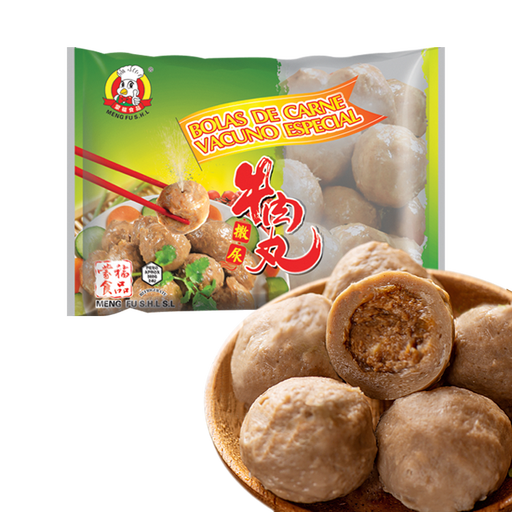
Why This Fits Their Persona: For those looking for a surprise. These traditional Teochew-style beef meatballs have a savoury, soup-like filling that creates a flavour explosion. It's an interactive and fun addition to any hotpot session.
This product prevents a monotonous meal. The unique, juicy filling breaks the routine and adds an exciting element, so you don't feel like all the meatballs taste the same.
A unique eating experience thanks to the 'bursting' filling. The outside has a tender, springy texture that forms a beautiful contrast with the liquid core.
We have compiled a complete, up-to-date list of products that fully meet these strict selection criteria and current regulations.
Most frozen soup balls do not need to be thawed. You can add them directly from the freezer into the boiling broth. The cooking time is typically 5 to 8 minutes. A good rule of thumb is that they are cooked when they float to the surface. To be sure, always check the instructions on the packaging.
The biggest difference lies in the texture and preparation method. Western-style meatballs are made from coarser ground meat and have a looser structure, intended for frying or braising. Asian meatballs are made from a fine meat emulsion, resulting in a dense, smooth, and springy ('bouncy') texture that is perfect for cooking in soup or hotpot.
Absolutely. These meatballs are an excellent choice as meatballs for noodle soup. They quickly and easily add protein and a savoury flavour to a bowl of ramen, udon, or pho. Simply cook them along with the broth and noodles for a complete and filling meal.
