
Vandaag of morgen in huis

Kwaliteit gegarandeerd

Welkomstaanbiedingen ontgrendelen: GRATIS bezorging | Tot 80% korting | Gratis 30 dagen JoyPlus-proefperiode
Download de app
Asian meatballs are handy for hotpot, noodle soup, stock and quick stir-fries. However, many packs look alike. For example, a bag labelled beef balls may consist mainly of water, starch or poultry, while a stuffed variety requires a completely different cooking method.
The main pitfalls are usually not in the round shape, but in the details on the label:
If you are specifically looking for Chinese beef meatballs, it is worth comparing the percentage of beef. Oriental Kitchen Beef Meatballs 250g, for example, states a beef content of at least 80%. The 500-gram variety lists 65% beef and also contains ingredients including starch, beef shin and fish sauce.
A higher meat content does not automatically mean that every consumer will prefer the flavour or texture. It is, however, a verifiable detail that allows you to compare products. Also check whether chicken, pork, bacon or surimi appears in the list. This is particularly relevant if you specifically want pure beef meatballs.
Beef meatballs with tendon generally have a firmer, chewier mouthfeel. Products such as Oriental Kitchen Beef Tendon Balls 250g contain 60% beef and 8% beef shin. Meng Fu Beef Tendon Meatballs 360g lists 13% beef shin.
Stuffed beef meatballs are a different category. The product information for Meng Fu Stuffed Beef Meatballs 360g describes a savoury, liquid filling. FRESHASIA Exploding Juice Beef Balls 200g is described as a beef ball with a savoury filling based on stock and chicken. Take care when eating these products: the filling may be hot after the meatballs come out of the soup.
Do not just compare the price per pack; also compare the price per 100 grams. The collection includes small 200- or 250-gram packs, as well as 360-, 500- and 1,000-gram bags. A larger pack may be more practical for a family or a hotpot shared by several people, while a smaller size is often easier to manage when trying them for the first time.
Also pay attention to:
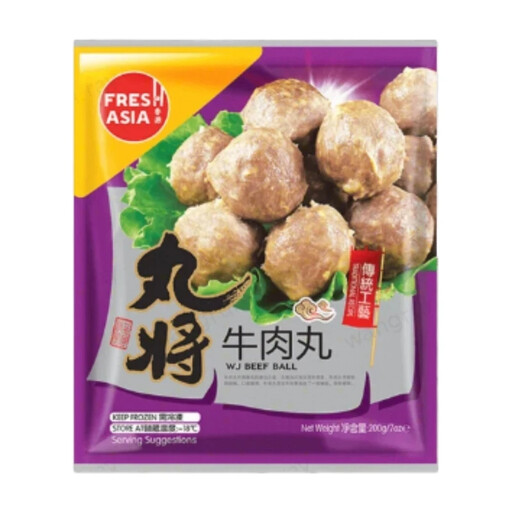
Why it suits this profile: A 200-gram pack is ideal for trying Asian meatballs in soup, noodles or a small hotpot.
The ingredients and allergens are clearly listed: the product contains soya. This means you can check in advance whether it suits your meal and diet.
200 grams; suitable for hotpot, soup, noodles and stir-fries; according to the product information, can be cooked straight from frozen.
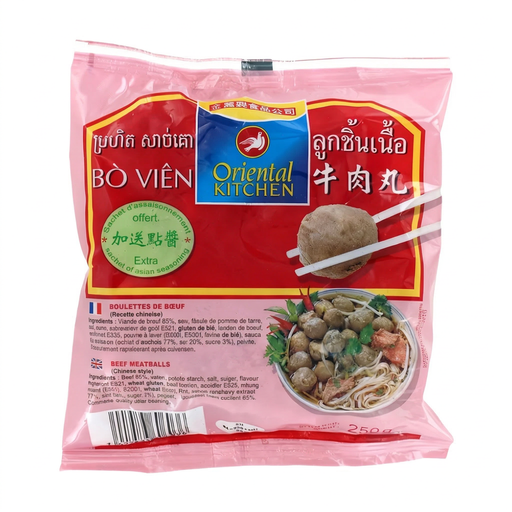
Why it suits this profile: The product information states that it contains at least 80% beef and has a firm, springy texture for fans of Chaoshan beef meatballs.
The percentage of beef is clearly stated, rather than relying solely on a general reference to an “authentic” flavour.
At least 80% beef; 250 grams; suitable for boiling, hotpot, soup and deep-frying. Contains soya and sulphites according to the product information.
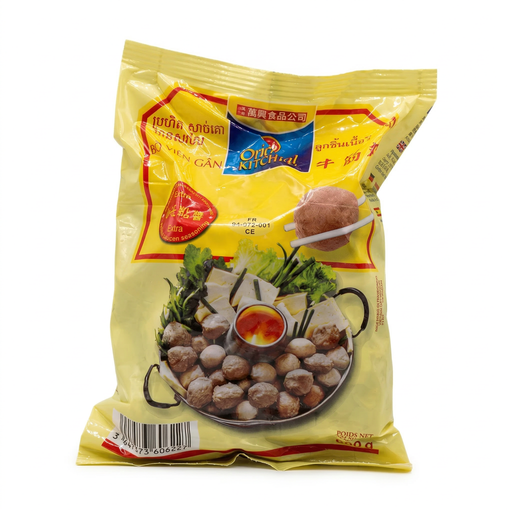
Why it suits this profile: The 500-gram pack is practical for regular hotpot evenings, noodle soup, skewers or stir-fries.
The product description names beef and beef shin as the main ingredients and states that the product must be heated thoroughly. This means you know what you are buying and how to use it.
500 grams; 15 grams of protein per 100 grams according to the nutritional information; suitable for hotpot, soup, noodles, grilling and stir-frying.
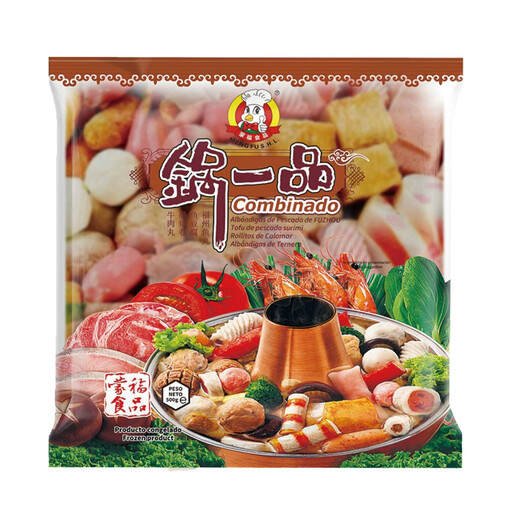
Why it suits this profile: This mix combines Fuzhou fish balls, stuffed pork meatballs, squid rolls and beef meatballs in one pack.
The different varieties are clearly described. Check the allergens carefully: the mix contains fish, molluscs, egg, soya, wheat and sesame.
500 grams; four flavour and texture varieties; according to the instructions, boil from frozen for 5 to 7 minutes.
We have put together a complete, up-to-date list of products that fully meet these strict selection criteria and the applicable European safety regulations.
It depends on the product. Meng Fu Hot Pot Meatballs states that defrosting is not necessary and gives a cooking time of 5 to 7 minutes. Other products, such as FRESHASIA Exploding Juice Beef Balls, specifically state that they must be fully defrosted before cooking. Always check the packaging and make sure the centre is thoroughly heated.
Store them at -18 °C or below and follow the best-before date on the packaging. According to the instructions provided, products must not be refrozen after defrosting. Keep leftovers refrigerated and follow the stated time limit after defrosting or opening.
Almost all of the Chinese beef meatballs, beef balls and beef meatballs with tendon mentioned above are intended for these dishes. Choose a stuffed variety if you want an extra filling, a tendon variety for a firmer texture, or a mix such as Meng Fu if you also want to serve fish balls for hotpot and other flavours. For soup and stock, pay particular attention to the salt content and allergen list.
