
Vandaag of morgen in huis

Kwaliteit gegarandeerd

Welkomstaanbiedingen ontgrendelen: GRATIS bezorging | Tot 80% korting | Gratis 30 dagen JoyPlus-proefperiode
Download de app
Hazelnut products vary widely. As well as hazelnut paste and hazelnut spread, you’ll find chocolate, roasted hazelnuts, breakfast products, coffee, syrup and liqueur. The packaging may promise a pronounced nutty flavour, while hazelnuts sometimes make up only a small proportion of the ingredients.
When shopping online, it therefore pays to look beyond the brand name, photo and limited-time offer. The points below will help you quickly see which product is right for your breakfast, coffee break, snack or recipe.
Ingredients are listed in descending order by weight. If sugar or oil appears at the top of the list and hazelnuts only further down, the product is mainly sweet and creamy. Compare the hazelnut percentage instead:
A higher percentage can provide a more pronounced nutty flavour, but it does not, on its own, indicate which flavour you will prefer. Also check for cocoa, milk ingredients, vanilla and flavourings.
With breakfast products, the wording on the packaging matters. According to the product information, Quaker Zs Cruesli Raisin & Hazelnut is made without added sugars or sweeteners, but it does contain naturally occurring sugars from ingredients including raisins.
Spreads generally contain more sugar. Per 100 grams, the following products state:
Use these figures mainly to compare products with one another. Nutritional values are given per 100 grams and do not always correspond to the amount you actually spread on bread or use in a recipe.
A 750-gram jar may seem appealing if you use hazelnut spread every day, but a smaller pack can be more practical for occasional use. Check:
For coffee products, the number of servings also matters. The hazelnut coffee capsules contain 10 capsules, while Douwe Egberts Indulgence Choco Hazelnut Coffee Latte makes 8 servings. A 250 ml bottle of hazelnut syrup can last longer if you only use a small amount per cup.
First choose the type of product. Spreads are suitable for bread and pancakes. For baking, you can also use roasted hazelnuts, a hazelnut mix or chocolate with hazelnuts. With a spread, compare not only the hazelnut percentage but also the type of fat, the cocoa content and any emulsifiers.
For example, Bonne Maman states that it contains 20% hazelnuts and uses sunflower and rapeseed oil. The product description also states that the spread is made without palm oil. This is a verifiable product specification, not a judgement about its flavour or nutritional value.
For a crunchy option, Milka Bar Broken Hazelnuts and Tony’s Chocolonely Milk Hazelnut contain 9% and 10% hazelnuts respectively, according to their product information. Lindt Excellence Caramel Hazelnut states that it contains 12% caramelised hazelnuts and at least 47% cocoa.
Hazelnuts are included among the allergens that must be declared under European labelling rules. Always check the current packaging if you or someone you are buying for has an allergy. Many products also contain milk and soya. Some packaging warns that the product may contain traces of other nuts, peanuts, gluten or egg.
Even products that appear to consist mainly of coffee should be checked carefully. According to the product information, the 10959 hazelnut capsules contain none of the 14 main EU allergens, but they do contain coffee and flavouring. Douwe Egberts Hazelnut Coffee Syrup lists hazelnut in the flavouring. Baileys Hazelnut Cream Liqueur contains milk and has an alcohol content of 14.5%. This is an alcoholic drink, not an ordinary coffee syrup.
For a smooth spread, look at the description and usage advice. For extra crunch, pieces, roasted nuts or a wafer layer are more relevant. According to the product information, most hazelnut products should be stored in a cool, dry place away from direct sunlight. Seal the packaging properly after opening and do not use damaged packaging.
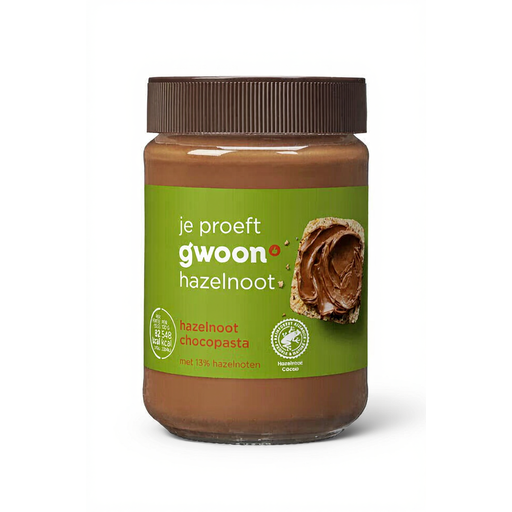
Why it suits this profile: A manageable 400-gram jar for bread, toast or pancakes, without having to buy a large supply straight away.
The hazelnut percentage is clearly stated as 13%, allowing you to compare the nut content rather than relying solely on the packaging.
400 grams, 13% hazelnuts and an energy value of 552 kcal per 100 grams according to the product information.
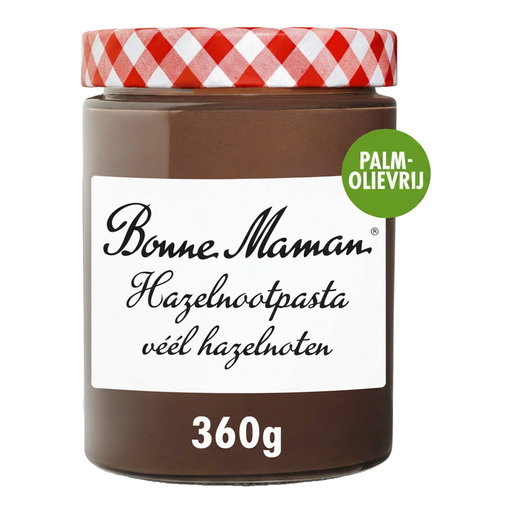
Why it suits this profile: Ideal if you pay particular attention to the stated hazelnut percentage and are looking for a spread made without palm oil.
The product information states that it contains 20% hazelnuts and specifies sunflower and rapeseed oil. This allows you to assess the ingredients more precisely.
20% hazelnuts, 360 grams and 51 grams of sugars per 100 grams according to the stated nutritional information.
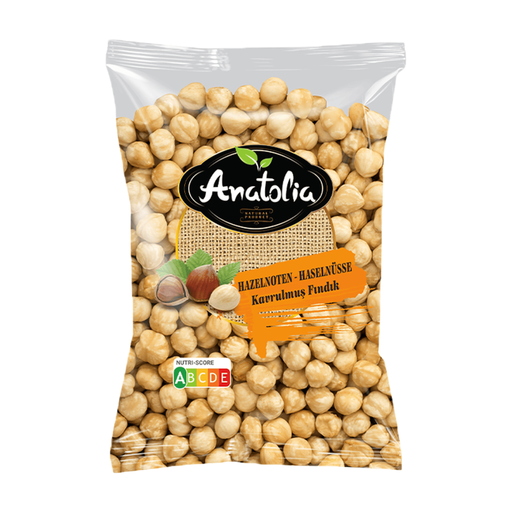
Why it suits this profile: For anyone who wants to use hazelnuts in salads, breakfast dishes, baking, desserts or as a snack on their own.
You’re buying whole roasted hazelnuts rather than a spread containing sugar and oil. This makes them versatile, while allowing you to decide how much to use in each recipe.
500 grams and a roasted, crunchy texture according to the product description.
We’ve put together a complete, up-to-date list of products that fully meet these strict selection criteria and the applicable European safety regulations.
The terms are often used interchangeably by online shops. Check the ingredients list and nutritional information instead. A spread usually contains hazelnuts, sugar, vegetable oil, cocoa and sometimes milk ingredients. The proportions of these ingredients determine the texture and flavour.
Store the jar according to the label in a cool, dry place, away from direct sunlight and sources of heat and moisture. Seal the jar properly after use. Always check the shelf-life information on the packaging, as this can vary from product to product.
For a simple flavour boost, you can use hazelnut syrup. Hazelnut coffee capsules are practical if you have a compatible capsule system. An instant latte product is an alternative if you do not have a coffee machine. Check the sugar and allergen information for syrups and latte products.
