
Vandaag of morgen in huis

Kwaliteit gegarandeerd

Welkomstaanbiedingen ontgrendelen: GRATIS bezorging | Tot 80% korting | Gratis 30 dagen JoyPlus-proefperiode
Download de app
Nuts may seem simple to choose, but the difference between a good buy and a disappointment often comes down to the details. Are you looking for roasted nuts to serve with drinks, unsalted nuts for everyday snacking or ingredients for Asian and Turkish dishes? In that case, flavour, preparation, packaging and allergens matter more than eye-catching marketing claims.
Look out for these common pitfalls:
Raw nuts are handy for baking, cooking and roasting yourself. For example, Golden Turtle Raw Peanuts with Skin are unroasted peanuts with their skins on. According to the product information, they’re suitable for roasting and for use in sauces, curries, stir-fries, salads and Asian recipes.
Roasted nuts generally have a more intense aroma and a crunchy texture. Anatolia Roasted Hazelnuts are sold as roasted hazelnuts in a 500-gram pack. The product description suggests using them as a snack or adding them to salads, breakfast cereals, bakes and desserts.
With salted nuts, the amount of salt affects how versatile they are. Salted pistachios, cashews or almonds are convenient for serving with drinks. Unsalted varieties are usually easier to measure out for baking and cooking.
Don’t just compare the front of the pack. Check:
According to the product details, g'woon Cashew Nuts Roasted & Unsalted lists only cashews as an ingredient and contains 0.067 grams of salt per 100g. This makes it a practical choice if you’re looking for a neutral flavour.
Flavoured products can be quite different. According to the product information, Be&Cheery Cream-Flavored Macadamia Nuts contains macadamia nuts, fructose-glucose syrup, sugar, salt, E621 and flavouring, among other ingredients. Duyvis Coated Peanuts Provençal contains peanuts with a crunchy coating, wheat and flavourings. These products are better suited to snacking than to every baking or cooking recipe.
Nuts, peanuts and products containing wheat are covered by allergen labelling. Cashews, walnuts, almonds, hazelnuts, pistachios, macadamia nuts and pine nuts may be listed separately on the label. Peanuts are not botanically tree nuts, but they are an important allergen.
Check the following every time you buy:
Store nuts in a cool, dry place away from direct sunlight. Reseal an opened pack securely. Some products, such as Be&Cheery Northeast Pine Nuts, also state that they should be consumed immediately after opening. Always follow the instructions on the pack if they differ from general storage advice.
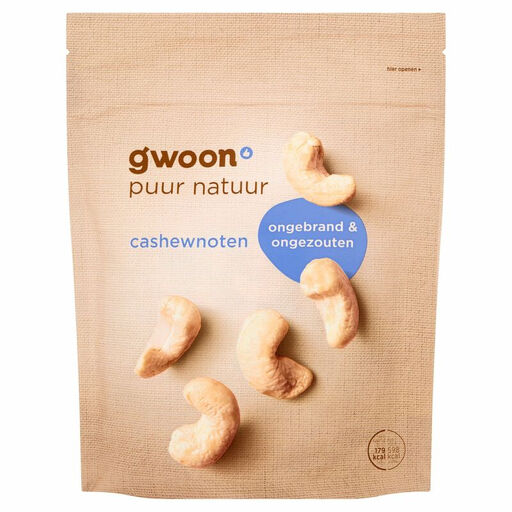
Why it suits this shopper: A handy-sized pack for anyone who wants to try unsalted roasted cashews without buying a large quantity straight away.
The ingredients list names cashews as the ingredient, and the product is sold as unsalted. Always check the current packaging, though.
200g, roasted and unsalted, with 18.67 grams of protein per 100g according to the product details.
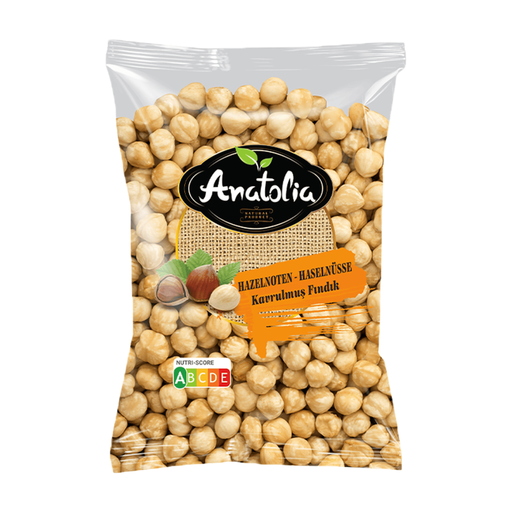
Why it suits this shopper: Ideal if you want to enjoy hazelnuts as a snack and use them in bakes, desserts and salads.
The preparation is clear: roasted. That means you don’t need to heat raw nuts yourself before enjoying them as a snack.
500g, roasted and suitable for sweet and savoury dishes; storage advice is included in the product information.
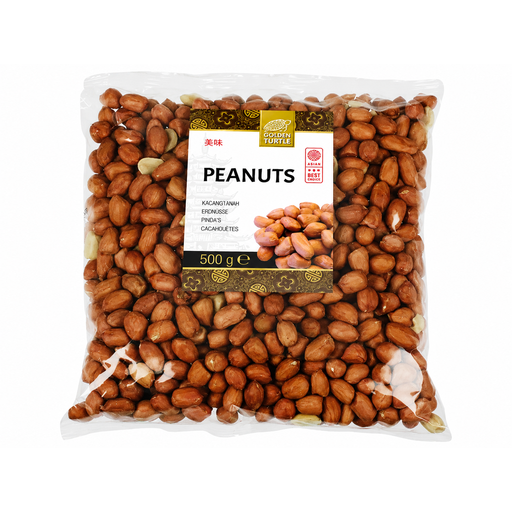
Why it suits this shopper: A generous supply for anyone who often makes Asian dishes, peanut sauces, curries and stir-fries, or roasts their own peanuts.
The nuts are raw, with no salt or flavouring added. You can choose how to prepare them and how much seasoning to use.
500g, with their natural skins on and, according to the product details, suitable for roasting, cooking, baking and garnishing.
We’ve put together a complete, up-to-date list of products that meet these strict selection criteria and current European safety requirements.
You can use unsalted almonds, walnuts, hazelnuts, cashews, macadamia nuts and pine nuts for baking. Choose a plain or raw variety if you’d prefer to control the flavour yourself. Roasted nuts add extra aroma straight away, but salted or seasoned varieties can throw a sweet recipe off balance.
Keep the pack tightly sealed in a cool, dry, dark place. If the original bag doesn’t reseal properly, it’s best to use an airtight container. Take extra care to keep nuts away from moisture and heat. Before eating them, check their smell, taste and texture. Don’t use the product if the packaging is damaged or the nuts smell unusual.
Chestnuts are often grouped with nuts in cooking, but they differ in composition and how they’re used. Roasted chestnuts are soft and higher in starch than many other nuts. According to the product information, Titiz Roasted Chestnuts contains 100% peeled, baked chestnuts. Titiz Candied Chestnut, on the other hand, contains chestnuts and white sugar, making it more of a sweet snack. Check the ingredients and nutritional information on the packaging for both products.
