
Vandaag of morgen in huis

Kwaliteit gegarandeerd

Welkomstaanbiedingen ontgrendelen: GRATIS bezorging | Tot 80% korting | Gratis 30 dagen JoyPlus-proefperiode
Download de app
Chocolate with hazelnuts comes in many forms: a bar with whole nuts, milk chocolate with pieces, dark chocolate, white chocolate, hazelnut spread, a hazelnut wafer and even chocolate protein powder. That choice is handy, but it also makes comparing more difficult. An attractive packet tells you little about the amount of hazelnuts, the sugar content or how you’ll use the product.
With these practical checks, you can avoid a bad buy and more easily find a product for yourself, the family, a coffee break or after exercise.
With some products, the flavour comes mainly from flavouring, cocoa powder or a hazelnut paste. So check the ingredients list and look for the percentage of hazelnuts. An example is Milka Bar Broken Hazelnuts, which states 9% hazelnut pieces. Côte d’Or Milk Chocolate With Whole Hazelnuts states 24% hazelnuts.
Also pay attention to the difference between:
A bar of 180 or 250 grams can be handy for sharing, but is less practical if you’re looking for small portions. Large bars can also stay open for longer, which means the chocolate can lose quality in taste and texture more quickly.
So think about how you’ll use it:
A praline or crème filling gives a soft texture, but doesn’t necessarily contain whole nuts. A bar with whole hazelnuts offers more bite instead. A hazelnut spread is intended for bread, pancakes and desserts, while chocolate protein powder is mainly dissolved in water or milk.
So don’t just compare the flavour name, but also the texture, use and portion size.
Hazelnuts fall under mandatory allergen information in the European Union. Many products also contain milk and soya. A product may also mention traces of peanuts, other nuts, gluten or egg. If you have an allergy or intolerance, it’s important to always check the actual packaging.
Pay attention to the order of ingredients: what’s listed first is usually present in the largest amount. Also check whether there are:
Chocolate often contains a lot of energy, fat and sugar. The products in this selection, for example, range from around 507 to 583 kcal per 100 grams. That difference matters when you want to compare portions.
With protein powder, you look at the protein content per scoop instead. Optimum Nutrition Gold Standard 100% Whey states around 24 grams of protein per portion of around 32 grams. Applied Nutrition Critical Whey states around 20 grams of protein per portion of 30 grams. These products are food supplements for adults and are not a substitute for a varied diet.
Choose based on the occasion when you want to eat the chocolate:

Why this fits the profile: A straightforward 100-gram bar with milk chocolate and whole hazelnuts. Suitable if you want to try a classic chocolate-hazelnut combination first.
The product information lists hazelnuts as an ingredient and clearly states allergens such as hazelnut, milk and soya.
100 g size, whole roasted hazelnuts and 8.7 g protein per 100 g according to the product information.
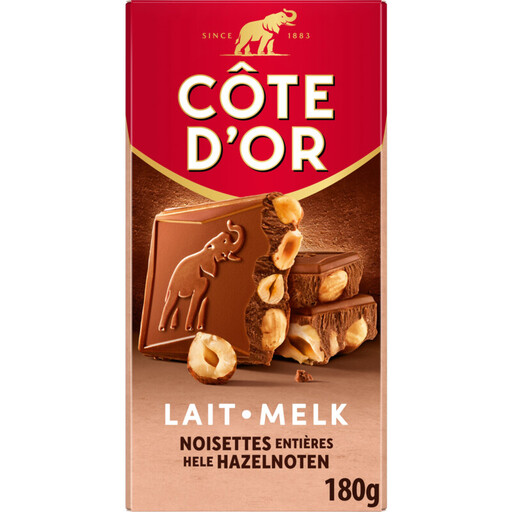
Why this fits the profile: The bar combines milk chocolate with a stated hazelnut content of 24%, making it interesting for those who love a clear nutty texture.
The stated percentage of hazelnuts makes it easier to compare the nut content with other bars.
180 g size, whole hazelnuts and at least 33% cocoa in the milk chocolate according to the product description.
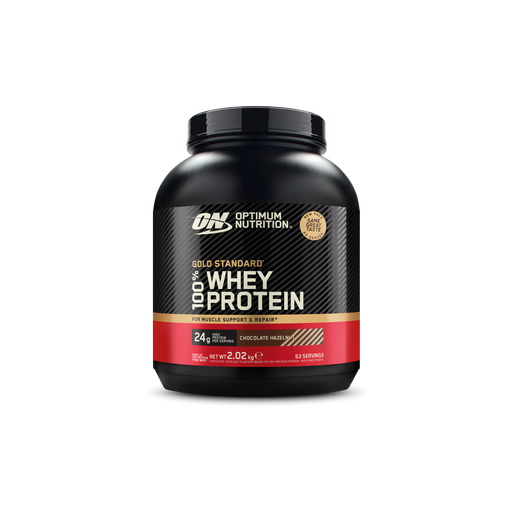
Why this fits the profile: For sporty adults who want to combine a chocolate-hazelnut flavour with a practical way to add extra protein to their diet.
The packaging states the portion size, preparation method, allergens and around 24 g of protein per portion.
2.02 kg pack, whey protein blend and around 117 kcal per 32 g portion according to the product information.
We’ve put together a full, up-to-date list of products that fully meet these strict selection criteria and current European safety regulations.
Choose a product that states whole hazelnuts or a specific percentage of hazelnuts. A bar like Cote D'or Milk Chocolate With Whole Hazelnuts contains 24% hazelnuts according to the product information. Pieces also give bite, but the size and distribution can be different.
Store the chocolate in a cool, dry place, out of direct sunlight and away from heat sources. A temperature around room temperature is usually practical; strong temperature fluctuations can affect the texture. Seal the packaging well after opening and check the best-before information on the packet.
No. Chocolate protein powder is a food supplement that you mix with water or milk. It typically contains whey protein, flavourings and sweeteners, and is intended for adults who want to supplement their protein intake. Ordinary hazelnut chocolate is a snack and usually has a much higher sugar and fat content per 100 grams. With both products, always check the ingredients, allergens and the recommended portion.
