
Vandaag of morgen in huis

Kwaliteit gegarandeerd

Welkomstaanbiedingen ontgrendelen: GRATIS bezorging | Tot 80% korting | Gratis 30 dagen JoyPlus-proefperiode
Download de app
A jar of hazelnut spread might seem straightforward to pick, but the differences between chocolate spreads are greater than the label on the front suggests. One variety contains 20% hazelnuts, while another lists just 1.5%. The size, the amount of sugar and the type of oil also influence your choice and the price per 100 grams.
For breakfast, snacks, pancakes, waffles or baking, it’s therefore worth looking beyond the brand name and packaging.
A hazelnut chocolate spread can have a distinct nutty flavour, yet still contain relatively few hazelnuts. So check the ingredients list and look for the percentage of hazelnuts. In the selected products, this ranges from 1.5% to 20%.
A higher percentage doesn’t automatically mean everyone will prefer the taste. It does, however, give you a verifiable point of reference when you’re looking for a pronounced nutty flavour.
Sizes such as hazelnut spread 400 g, 450 g, 750 g and 800 g are designed for different households. A large jar can be handy for a family or heavy use, but only if you finish it regularly. Compare the price per 100 grams, not just the price of the jar.
With a large pack, also check the best-before information and the storage instructions on the label. Store the jar according to the manufacturer’s instructions, tightly sealed and away from heat and moisture.
Terms like “creamy”, “natural” or “without palm oil” don’t describe the full nutritional profile. Also look at sugar, fats, allergens and the type of oil. According to the product description, Bonne Maman hazelnut spread, for example, contains 20% hazelnuts and no palm oil. That’s a product specification, but the nutritional values remain relevant: the pack states 51 grams of sugar and 551 kcal per 100 grams.
If you’re mainly after a nutty taste, you can compare varieties with a higher hazelnut percentage. Bonne Maman lists 20% hazelnuts. Nutella lists 13%, while g’woon Hazelnut Chocolate Spread also contains 13%. Duo Penotti lists 5% hazelnuts and g’woon Duo 7%.
Sarelle Cocoa Hazelnut Cream contains 13% hazelnuts and 7% cocoa powder according to the product information. Milka Hazelnut Spread lists 5% hazelnuts and 4.5% skimmed cocoa. Orinoko contains 1.5% hazelnuts and 3.3% skimmed cocoa powder. These percentages help you compare products more objectively than just the colour or the name.
The nutritional values are usually listed per 100 grams on the label. In the available product information, the energy value ranges roughly between 539 and 587 kcal per 100 grams. The sugar content varies from 51 grams for Bonne Maman to 58 grams for Orinoko.
These figures are especially useful when you’re comparing several jars side by side. A difference in sugar or fat can also go hand in hand with a different hazelnut or cocoa percentage. So use the nutritional table together with the ingredients list.
Hazelnut spread often contains hazelnuts, milk or milk derivatives, and sometimes soya. Some varieties may also contain traces of peanuts, other nuts or gluten. Always check the current label, especially if you have an allergy or intolerance.
Nutella lists hazelnuts, milk and soya as allergens. Sarelle contains hazelnuts and milk derivatives. Duo Penotti also states that the product may contain other nuts and gluten. Packaging can change; the information on the jar remains the deciding factor.
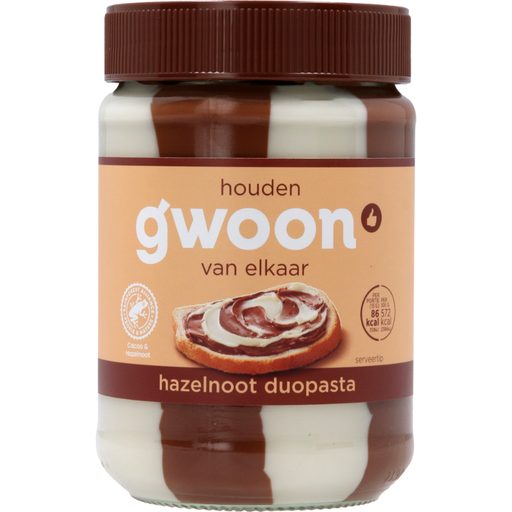
Why this fits the profile: A manageable size to try first, suitable for bread, toast and simple snacks without committing to a large jar.
The 400g size reduces the risk of the spread going unused. The ingredients list states 7% hazelnuts, making it easy to compare with other duo spreads.
Duo version, 400g content and suitable for bread or as a topping.
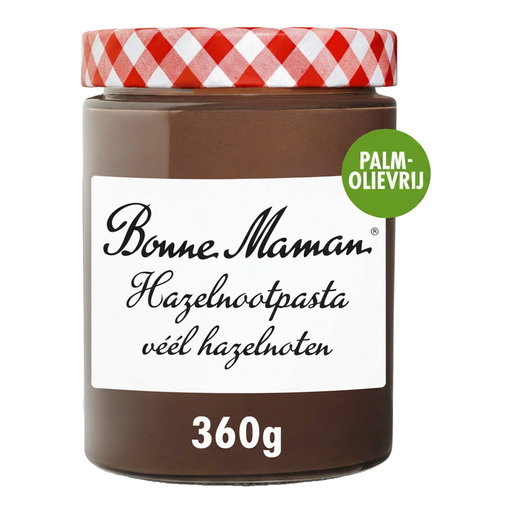
Why this fits the profile: For those who value a higher stated hazelnut percentage and a recipe without palm oil when choosing a hazelnut spread.
The packaging states 20% hazelnuts and no palm oil. This means two commonly discussed buying criteria are directly verifiable on the product information.
20% hazelnuts, no palm oil according to the product description, and suitable for bread and baking.
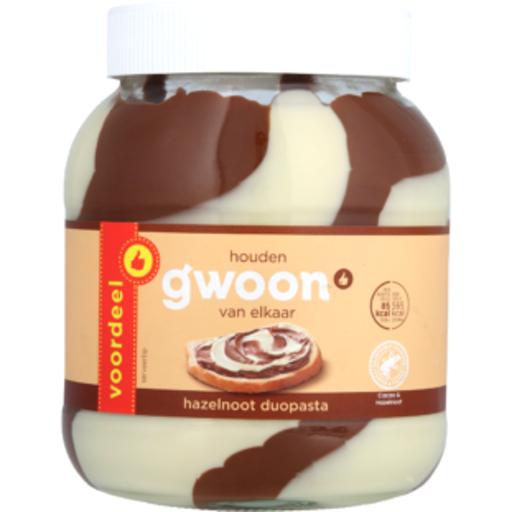
Why this fits the profile: A large pack for families, regular breakfast use or recipes that require a lot of chocolate spread.
The 750g size makes the quantity clear. Do check the price per 100 grams and the best-before date before choosing a large jar.
750g content, 7% hazelnuts and suitable for bread and recipes.
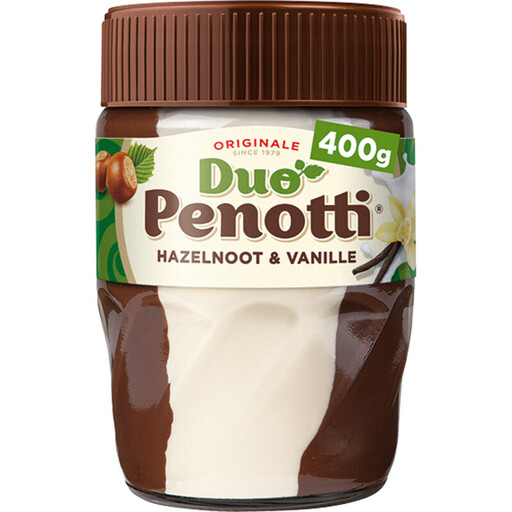
Why this fits the profile: For those who want two flavours in one jar for sandwiches, pancakes and waffles.
The duo layering is a concrete product feature, not a vague taste claim. The ingredients list states 5% hazelnuts and milk derivatives.
400g size, two visible flavour layers and, according to the product description, free from colourings and preservatives.
Nutella remains a popular reference for chocolate spread: the product information states 13% hazelnuts, 539 kcal and 56.3 grams of sugar per 100 grams. If you want to compare an alternative, you could also look at Sarelle Cocoa Hazelnut Cream in 350 grams, Milka Hazelnut Spread in 350 grams, Orinoko in 350 grams or g’woon Hazelnut Chocolate Spread in 400 grams.
We’ve put together a full, up-to-date list of products that fully meet these strict selection criteria and comply with current European safety regulations.
Hazelnut spread is usually a sweet spread made with hazelnuts, cocoa, sugar and oil. The proportions vary by brand. So check the hazelnut percentage and the amount of cocoa in the ingredients list. “Chocolate spread” is often used in practice as a general search term for the same product category.
Store the jar in a cool, dry place, out of direct sunlight and away from heat and moisture. Seal the pack tightly after use and use the best-before information on the label as a guide. Do not use the spread if the packaging is damaged.
For regular use, 750 g or a similar large size can be practical. For a smaller household, a first purchase or occasional use, 350 to 450 g is often more manageable. Compare the price per 100 grams as well as how quickly you expect to use it.
