
Vandaag of morgen in huis

Kwaliteit gegarandeerd

Welkomstaanbiedingen ontgrendelen: GRATIS bezorging | Tot 80% korting | Gratis 30 dagen JoyPlus-proefperiode
Download de app
The spreads aisle can be overwhelming. Dozens of hazelnut spread jars stare back at you, each with its own promise. But how do you choose one that truly suits you, without falling into the usual traps? Many jars contain more sugar and oil than actual hazelnuts, and claims about "healthy" options aren't always what they seem.
Before you toss a random jar into your basket, it's wise to know what to look for. We'll discuss the most common deceptions and give you practical tools to make an informed choice.
The front of a label is designed to entice. The back tells the honest story. Three specifications are crucial when choosing a quality hazelnut spread.
The term "hazelnut spread" suggests that hazelnuts are the main ingredient. In practice, this is rarely the case. The hazelnut percentage is the most important indicator of quality and flavour intensity.
Nutella contains 13% hazelnuts.A quick glance at the ingredients list immediately gives you an idea of the quality you can expect.
Most commercial chocolate spreads and hazelnut spreads consist of more than 50% sugar. Always check the nutritional table under "Carbohydrates," and specifically "of which sugars" per 100 grams. A jar with 55 grams of sugar per 100 grams means that more than half of what you're spreading is pure sugar.
For those who consciously want to consume less sugar, there are low-sugar hazelnut spread options. These often use sweeteners like maltitol or erythritol. Protein chocolate spread varieties also typically contain less sugar, but pay attention to the total calories and the sweeteners used.
The debate around palm oil is relevant. It's widely used because it's inexpensive and creates a smooth, stable texture that doesn't separate at room temperature. Due to concerns about sustainability and deforestation, many consumers are looking for hazelnut spread without palm oil.
Alternatives often include sunflower oil or rapeseed oil. These oils can affect the texture and mouthfeel. A spread without palm oil might sometimes form a layer of oil on top. This is a natural process; just give it a stir, and it's ready to use again. Brands like Bonne Maman market themselves with palm oil-free recipes.
Based on objective product features, we have highlighted a few choices that cater to different needs and preferences.
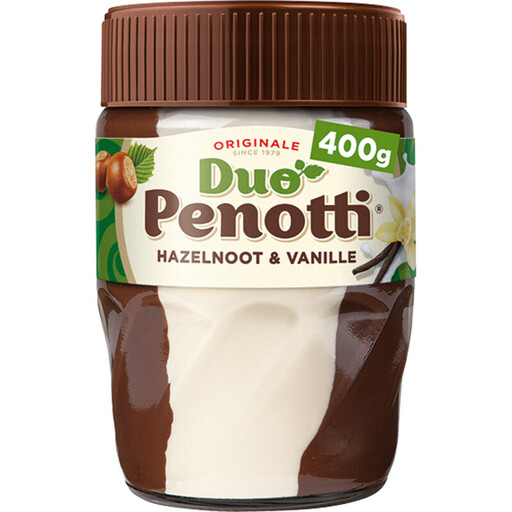
Why This Fits Their Persona: The classic two-tone spread that has been a hit with families for generations. The combination of hazelnut-chocolate and vanilla makes it a crowd-pleaser on the breakfast table or on a pancake.
This product positions itself as a treat, not a health product. It is transparent about being a sweet spread, with a focus on flavour and enjoyment.
The original dual flavour that many know and love. Contains cocoa from Rainforest Alliance certified farms and uses RSPO-certified palm oil.
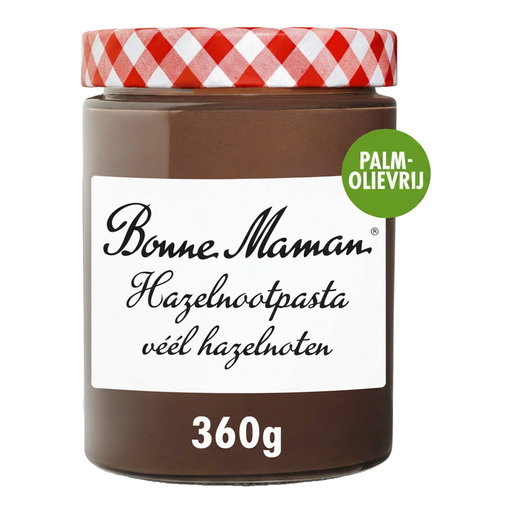
Why This Fits Their Persona: For those seeking a more refined taste and who value pure ingredients. This spread is ideal for foodies and home bakers who prioritise quality.
It tackles two common pitfalls: it is explicitly free of palm oil and has a high hazelnut content of 20%. This isn't just a jar of sugar with a hint of nut, but a genuine hazelnut spread.
Contains 20% hazelnuts for a rich, authentic flavour. Free from palm oil, using sunflower and rapeseed oil as alternatives.
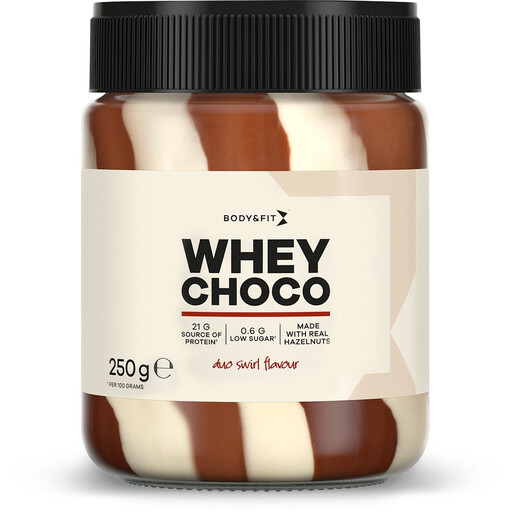
Why This Fits Their Persona: Specifically developed for athletes and health-conscious consumers who want to increase their protein intake and avoid sugar, without compromising on the taste of a chocolate spread.
This spread completely bypasses the "hidden sugar" trap. With only 2.1 grams of natural sugars per 100 grams and no added sugars, it's a transparent choice for a low-sugar diet.
Contains 21.4% whey protein, which supports muscle recovery according to the manufacturer. It's a low-sugar, high-protein alternative to classic chocolate spread.
We have compiled a complete, up-to-date list of products that meet these selection criteria and current regulations.
Although the terms are often used interchangeably, there is a technical difference. Hazelnut spread should, at its core, be a paste of ground hazelnuts. Chocolate spread is a broader term for a spreadable, cocoa-flavoured paste, which may or may not contain hazelnuts. Most popular products in the supermarket are a combination of both.
The choice for hazelnut spread without palm oil is often driven by sustainability concerns. Brands that use alternative oils like sunflower or rapeseed oil offer a product with a different ecological footprint. In terms of taste and texture, it's a matter of personal preference. A spread without palm oil can be a bit softer and may require you to stir a layer of oil back into the paste before use.
The quickest way is to check the nutritional information table on the back of the jar. Look for the line "of which sugars" per 100 grams. If this number is above 50 grams, the spread consists of more than 50% sugar. Compare this figure between different brands to make an informed choice.
