
Vandaag of morgen in huis

Kwaliteit gegarandeerd

Welkomstaanbiedingen ontgrendelen: GRATIS bezorging | Tot 80% korting | Gratis 30 dagen JoyPlus-proefperiode
Download de app
A bowl of halal soup might seem simple to choose, but the differences between instant noodles, soup mixes and ready-to-use stock are significant. Don't just rely on an appealing flavour name or a picture of beef on the packaging. The preparation method, ingredients list, allergens and halal certification are what really determine whether a product suits your needs.
Whether you're at home, in the office or on the go, halal instant soup, halal instant noodles and meal soups with international flavours are particularly popular. Think halal noodle soup, chicken soup, beef soup, Turkish soup and Moroccan harira soup. Use the checklist below to avoid a disappointing purchase.
Words like "chicken", "beef" or "spicy" say nothing on their own about halal suitability. Always check whether the product page or packaging explicitly states that the product is halal or carries a halal certificate. If you're unsure about a stock, sauce or flavouring, the ingredients list is your best guide.
For example, Knorr Chicken Bouillon Cubes are described as chicken stock for soups and sauces, but the product information provided does not include any halal certification. This product cannot automatically be considered halal soup. The ingredients include chicken fat and chicken powder, along with celery and possible traces of gluten, crustaceans, fish, soya and milk.
A cup of soup can be ready in minutes, but it doesn't always contain enough ingredients to make a filling meal. A standalone soup mix often needs bread, vegetables or a source of protein added. Instant noodles usually contain noodles and seasonings, while toppings can be limited.
So look at the net weight, the number of servings and the contents of the sachets. A pack of five servings is handy for stocking up or for a family, whereas a cup or bowl may be more suitable for the office or for eating on the move.
"Rich stock", "restaurant-style" and "traditional" are descriptive marketing terms. It's better to judge a product on verifiable information: preparation time, ingredients, allergens, salt content, packaging and storage instructions.
For products with a beef flavour, it's also worth checking whether they actually contain beef, beef extract or just beef flavouring. This information varies from product to product.
First, check:
Many Chinese instant noodles contain wheat and soya. Some varieties also include sesame or celery. A halal declaration does not, therefore, mean the product is suitable for every allergy or dietary requirement.
An instant noodle soup that only needs boiling water is practical for the office or when travelling. Products with a cooking time of three to five minutes are better suited to a kitchen with a pan and hob.
Also pay attention to the amount of water required. Some noodles need around 500 ml of water, while a soup mix such as Maggi Chorba, according to the product information, is prepared with 750 ml of lukewarm water and then needs to boil for five minutes. The wrong amount of water will affect the flavour and texture.
Compare nutritional values per 100 grams, but also take the total pack size into account. For instant noodles, the salt content in the product information provided is, for example, around 4.6 to 7.4 grams per 100 grams, depending on the variety. So use all the flavour sachets mindfully if you want a less salty bowl.
A soup with lentils, chickpeas, pasta or noodles generally offers a different eating experience to a thin stock. For a quick meal soup, fibre-rich ingredients such as pulses or extra vegetables are practical factors to consider in your choice.
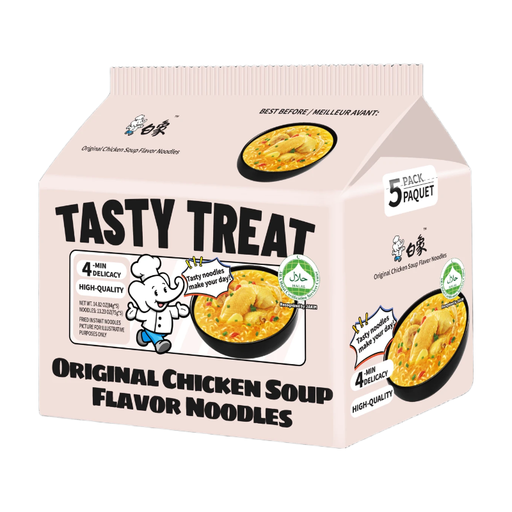
Why this suits the profile: The five individual packs are practical if you regularly want to prepare a quick bowl of halal chicken soup at home, while studying or at the office.
The product information states halal, five portions and clear allergen information for wheat and soya. This means you don't have to rely on the flavour name alone.
Five individually wrapped portions; preparation with boiling water and a stated waiting time of three to five minutes.
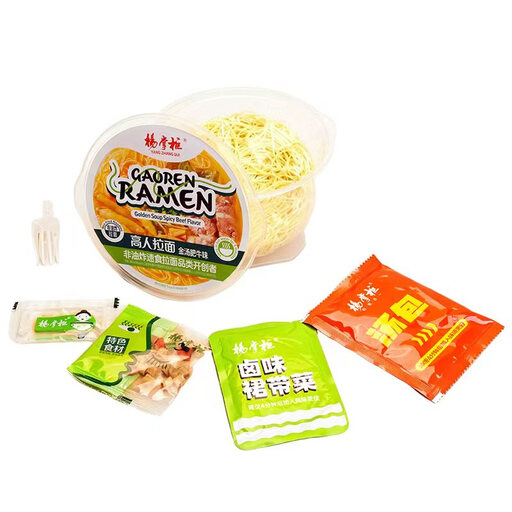
Why this suits the profile: This bowl combines non-fried noodles with several sachets for sauce, vinegar, vegetables and tofu skin.
The ingredients and allergens are listed: including wheat, soya and barley. This means you can tailor your choice to your own dietary requirements.
Non-fried noodles; four to five separate components for variety in texture and flavour.
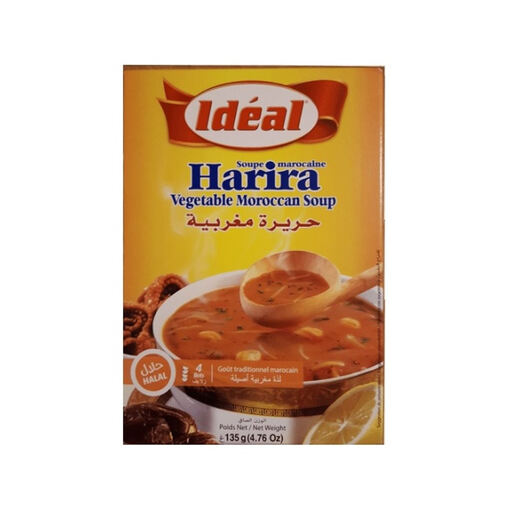
Why this suits the profile: A packet of Moroccan harira soup is ideal for anyone looking for a meal soup with tomato, lentils, chickpeas and spices.
The product information states halal and lists the main ingredients and allergens, including gluten, celery and soya.
Contains tomato, lentils, chickpeas and durum wheat pasta; suitable for serving with bread or dates.
If you like to vary your choices, you could also look at:
For every variety, check the halal declaration, allergens, shelf life and preparation again. Product information can change; always use the label on the packaging before making your purchase.
We've put together a full, up-to-date list of products that fully meet these strict selection criteria and comply with current European safety regulations.
No. An instant soup is only clearly halal when this is stated on the packaging or product information. Also check composite ingredients such as stock, flavourings, chicken fat and sauces.
Unopened dry soup mixes and noodles generally have a long shelf life, but the exact date is on the packaging. Store them in a dry, cool place away from direct sunlight. Once prepared, it's best to consume the soup straight away.
That depends on the portion size and composition. Noodles with vegetables, tofu, chicken, beef or pulses are generally more filling than a simple stock. You can add fresh vegetables, an egg or another suitable topping if you like, taking the halal status and allergens into account.
