
Vandaag of morgen in huis

Kwaliteit gegarandeerd

Welkomstaanbiedingen ontgrendelen: GRATIS bezorging | Tot 80% korting | Gratis 30 dagen JoyPlus-proefperiode
Download de app
Buying stock may seem simple: choose cubes, powder or a jar of herbs and you can start cooking straight away. Yet products vary considerably in flavour, dosage, packaging, salt content, ingredients and suitability for particular diets. Beef stock for gravy, for example, needs different characteristics from vegan stock for vegetable soup or dashi stock for noodle dishes.
The following pitfalls regularly lead to disappointing purchases:
Stock cubes are portioned and easy to take with you. They are suitable for a pan of soup, sauce or rice dish when you want to use a set quantity. Check how much water one cube requires. This may be 500 ml or 1 litre, depending on the product.
Stock powder can be measured out more flexibly. This is useful when you want to enhance a sauce or only need a small amount. Packaging that can be sealed securely is important, as moisture can cause the powder to clump.
A soup base in powder or sachet form can dissolve quickly in hot water. Check whether the product is intended as a base for a dish or as a ready-to-drink beverage. The required amount of water varies depending on how it is used.
Choose your stock based on the dish:
Pay attention to the difference between salt for flavour and stock with a more pronounced flavour from its main ingredients. Salt appears high on the ingredients list for many products. Taste your dish before adding any extra salt.
If you cook vegan, vegetarian or halal food, it is best not to rely solely on the front of the packaging. Always check the complete ingredients list and product information. Some stocks contain flavourings, chicken fat, fish, milk ingredients or hydrolysed vegetable proteins containing soya.
For example:
Claims about flavour or performance come from the product descriptions provided by the brands or sellers. Treat them as product information, not as a universal guarantee for every recipe.
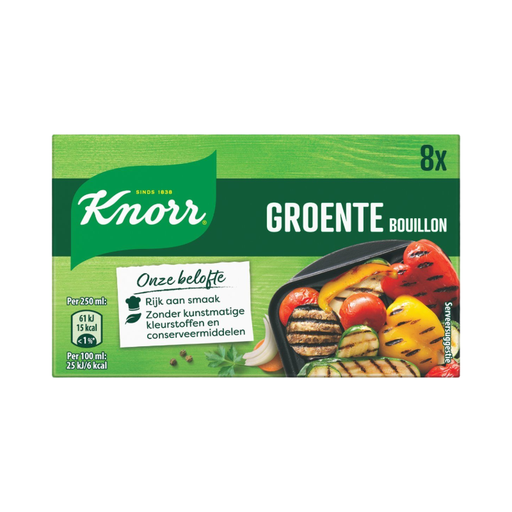
Why it suits this profile: The set dosage of one cube per 500 ml of water makes this product easy to use for everyday soups, pasta and sauces.
The preparation instructions give a clear ratio, reducing the risk of using too much product.
80 g pack; vegan certified according to the product information; suitable for soups, sauces and pasta.
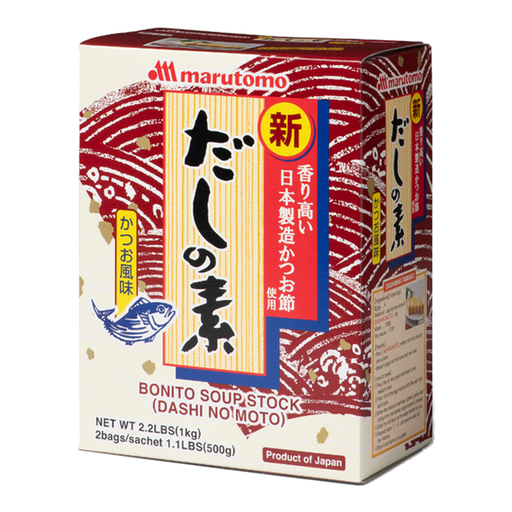
Why it suits this profile: Ideal if you are specifically looking for a Japanese umami base for miso soup, noodles, sauces and other dishes.
The product information clearly identifies bonito as an ingredient, allowing people who eat fish and those with dietary restrictions to make an informed choice.
Two 500 g packs; contains bonito; dissolves easily in hot water according to the product description.
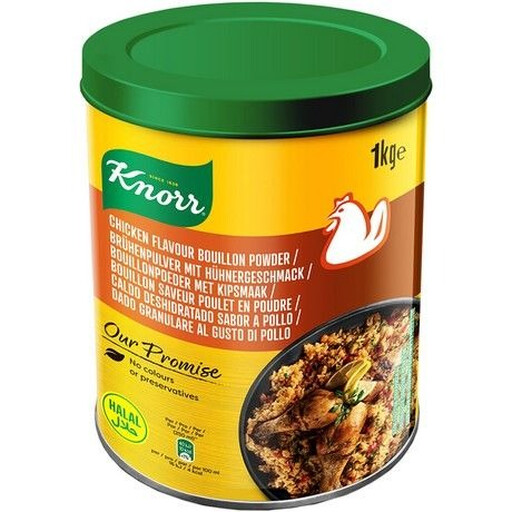
Why it suits this profile: A 1 kg pack is a good fit for high-volume use in a professional kitchen, catering business or household that cooks frequently.
The powder can be measured precisely for different pan sizes, instead of requiring you to use one fixed cube at a time.
1 kg contents; intended for chicken stock, soups and sauces; suitable for flexible dosing.
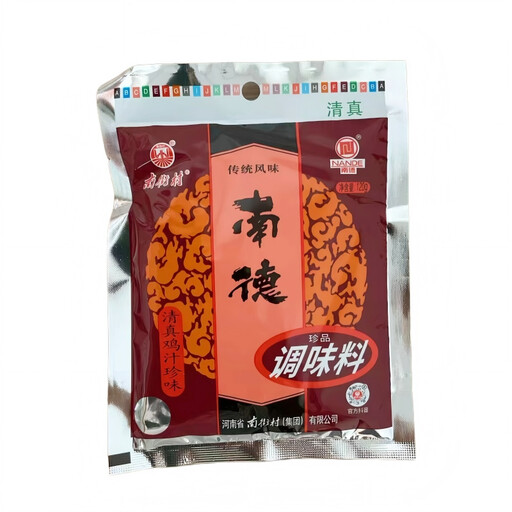
Why it suits this profile: The product information confirms that it is halal and lists uses in soup, stir-fries, rice, noodles and marinades.
The product information lists no allergens and gives several specific ways to use it. However, check the current packaging before buying.
120 g pack; halal statement in the product information; suitable for a wide range of Asian dishes.
We have put together a complete, up-to-date list of products that fully meet these strict selection criteria and the applicable European safety regulations.
Store stock powder, cubes and seasoning blends in a cool, dry place and in a tightly sealed container. Moisture reduces the free-flowing quality of powder and can affect its quality. For larger packs, you may wish to note the date you opened them. The shelf-life information on the packaging remains the deciding reference.
When using stock for sauces and rice, start with a small amount. Stock that is too strong can overpower a dish and is difficult to correct. With salty products, extra salt is usually only needed at the end. For dashi, halal stock and vegan stock, always use the recommended dosage as your starting point.
That depends on the flavour profile. Chicken stock works well with rice, noodles and light sauces, while beef stock is ideal for gravy and savoury meat sauces. Vegetable or mushroom stock is a practical choice for plant-based dishes.
Do not compare only the price per pack; also consider the amount of prepared stock it makes. Cubes provide fixed portions, while powder can be measured more flexibly and may require less packaging space for high-volume use. The instructions on the label determine how many litres you can prepare from one pack.
The exact period is stated on the packaging. In practice, storing cubes and powder in a dry, sealed container helps keep them usable until the stated best-before date. Do not use the product if the packaging is damaged or if its smell, colour or texture has clearly changed.
