
Vandaag of morgen in huis

Kwaliteit gegarandeerd

Welkomstaanbiedingen ontgrendelen: GRATIS bezorging | Tot 80% korting | Gratis 30 dagen JoyPlus-proefperiode
Download de app
A good stock or soup base can quickly add more flavour to a weekday meal. But it’s not wise to rely solely on words such as “authentic”, “rich” or “strong” on the packaging. The main differences between stock powder, cubes, instant stock, soup concentrate and flavour pastes come down to their ingredients, how much to use and how convenient they are.
These are the key things to consider if you cook at home, have a busy schedule or love Asian cuisine.
Stock products often contain a lot of salt and flavour enhancers. This can give them a pronounced flavour, but tells you little about how much chicken, vegetables, mushrooms or fish the product contains. For example, according to the product information, Knorr Chicken Bouillon contains 5,4% chicken meat powder and 3,6% chicken fat. Maggi Chicken Bouillon lists 1,3% chicken meat powder and 0,7% chicken fat.
So, always check the ingredients list as well as the front of the packaging. It will show you whether the product is made mainly from salt, starch and flavour enhancers, or also contains recognisable main ingredients.
A large pack may seem like good value, but check the recommended amount to use first. According to the product description, Knorr Vegetable Broth contains 15 cubes for around 7,5 litres of stock. The preparation instructions for Maggi Chicken Bouillon recommend around 12 litres, using one cube per litre.
This affects both the price per litre and the flavour intensity. Use the recommended amount as a starting point, then taste before adding extra salt.
Stock and soup bases can contain unexpected allergens. Examples in the products mentioned include:
Check the current packaging every time you buy. Product ingredients and allergen information can change.
Stock cubes are handy when you need a set amount of liquid. They work well in soups, pasta dishes, rice dishes and sauces.
Stock powder is more flexible. You can add small amounts to stir-fries, marinades or casseroles without having to make up a full batch of stock first.
Soup concentrate and stock paste are ideal for hotpot, noodle soup and international dishes. You usually dilute them with water, so you can adjust the strength yourself. Once opened, liquid products often need to be kept in the fridge.
Instant stock and Japanese dashi dissolve quickly in hot water. According to the product information, Marutomo Japanese Instant Dashi Seasoning contains bonito powder, salt, sugar and yeast extract, among other ingredients. This makes it handy for miso soup, noodle broth and sauces, but it does contain fish.
Don’t compare the nutritional information per 100 grams without considering the serving size. A product with a high salt content is often used in small amounts, whereas a cube goes straight into a whole pan.
For example:
So, wait until the end before adding extra soy sauce, fish sauce or salt. In Asian recipes, several salty seasonings can quickly intensify one another.
Chicken stock and vegetable stock are practical choices for a neutral base. Mushroom stock adds umami to vegetarian soups, sauces and stir-fries. Japanese dashi works well in miso, udon, ramen and oden. A hotpot soup base is more concentrated and often boldly seasoned.
For Thai dishes, Tom Yum paste and other Asian seasonings are a better choice than ordinary vegetable stock. Check whether you’re after a spicy, sour or creamy flavour, and whether the product is suitable for dilution.
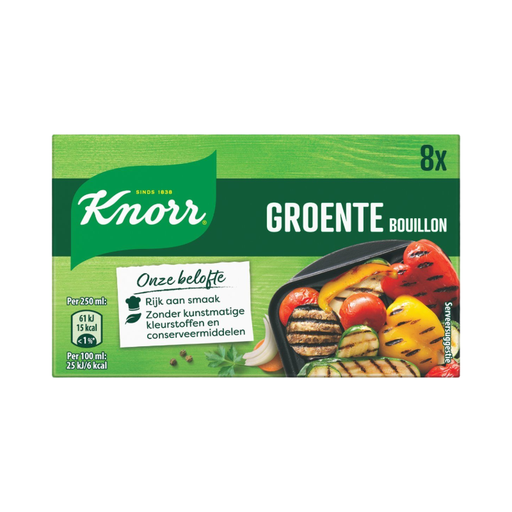
Why it suits this profile: A straightforward product for soups, sauces and pasta dishes. According to the product description, one cube dissolves in 500 ml of boiling water.
The fixed serving size makes it easier to estimate the cost per pan and the strength of the flavour. Check the label for celery.
Cube format, quick to dissolve and, according to the product description, made without artificial colourings or preservatives.
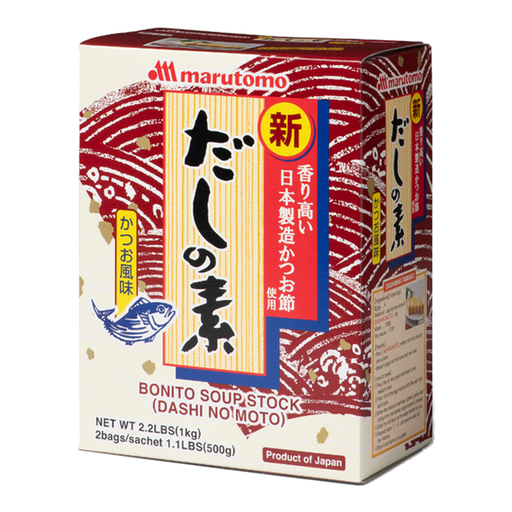
Why it suits this profile: A good choice if you regularly cook Japanese dishes and want to keep plenty of instant dashi in stock.
The product information clearly lists bonito powder and fish as ingredients. This makes it easier to judge the flavour profile than with a mix labelled simply as umami seasoning.
Two 500-gram packs, easy to dissolve in hot water and suitable for miso soup, noodles, sauces and dashi.
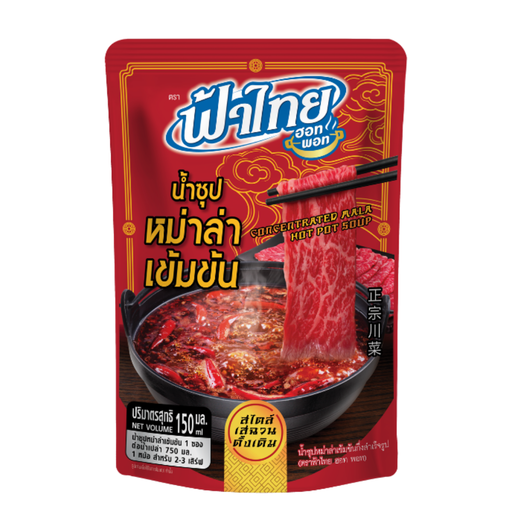
Why it suits this profile: For fans of Sichuan-style hotpot who want to adjust the ratio of concentrate to water themselves.
The product description specifically mentions soya and gluten, along with a recommended dilution to taste. This means you can check the allergens and level of heat in advance.
A concentrated base with dried chilli, Sichuan pepper and spices; suitable for meat, seafood and vegetables.
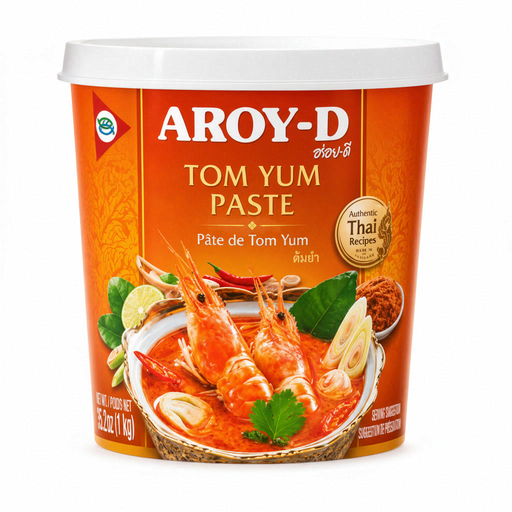
Why it suits this profile: Handy if you want to use one base to make Tom Yum, stir-fries, marinades or noodle dishes.
The product information lists distinctive ingredients such as lemongrass, chilli, kaffir lime leaves and galangal. This gives you a clear idea of the flavour profile you’re buying.
400 grams, suitable for soup and marinades, and, according to the product information, gluten-free and lactose-free.
We’ve put together a complete, up-to-date list of products that meet these strict selection criteria and current European safety regulations.
Stock is usually a ready-made or dried liquid base, such as a cube, powder or instant mix. A soup base can also be a concentrated paste or sauce that you dilute with water. Soup concentrate often contains more flavouring per millilitre and is intended to be measured out to taste.
Always follow the packaging instructions. Dry stock powder and cubes are generally stored in a sealed container in a cool, dry place. According to the product information, liquid products such as hotpot soup base often need to be refrigerated after opening. Use clean utensils and check the stated shelf life.
Start with less stock than the maximum recommended amount and taste it once dissolved. Only then add salt, soy sauce or fish sauce. Unsalted vegetables, noodles and water can help balance the flavour, but first check whether your chosen stock or paste already contains a lot of salt.
