
Vandaag of morgen in huis

Kwaliteit gegarandeerd

Welkomstaanbiedingen ontgrendelen: GRATIS bezorging | Tot 80% korting | Gratis 30 dagen JoyPlus-proefperiode
Download de app
A fully automatic coffee machine grinds coffee beans, makes your drink and takes care of many steps automatically. It sounds simple, but not every machine will suit every kitchen, coffee preference or cleaning routine. A bean-to-cup machine with a milk function, for example, can be handy for cappuccinos, while a semi-automatic espresso machine gives you more control but also requires more work.
The most common buying mistakes come down to three pitfalls:
A coffee machine with a built-in grinder uses fresh beans for every cup. Check how many grind settings are available. With several settings, you can adjust the grind for espresso, lungo or a milder coffee. A finer grind generally gives a more intense extraction, but the right setting depends on the beans and recipe.
Pay attention to capacity, too. A 250-gram bean hopper is practical for everyday use at home, while a 1.8-litre water tank needs refilling less often. If you only drink a few cups a day, avoid keeping a large supply of beans in the hopper; their aroma fades over time.
A coffee machine with a milk frother may use a milk reservoir, a LatteGo-style system or a traditional steam wand. An automatic system is handy if several people want to make a cappuccino or latte macchiato quickly. In particular, check:
According to Philips product information, the LatteGo system on the 5500 Series can be cleaned under the tap or in the dishwasher. That’s a specific maintenance feature, but it doesn’t replace the daily rinsing recommended in the manual.
A bean-to-cup coffee machine usually has a removable brew group, drip tray and coffee grounds container. This makes cleaning more straightforward. Also check whether the machine uses a water filter and how it indicates when descaling is needed.
Allow enough space around the machine. According to the product specifications, the De'Longhi ECAM290.61.SB is 24 cm wide, 44 cm long and 36 cm high. The Philips Barista Brew is a considerably different size, at 32 cm wide and 41 cm high. So measure not just the available worktop space, but also the clearance needed to open the tank and bean hopper.
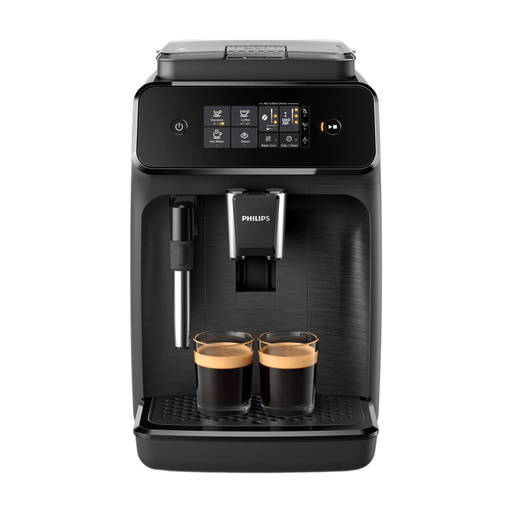
Why it suits this profile: This fully automatic espresso machine combines touch controls with a ceramic grinder, 12 grind settings and adjustable coffee strength and volume. The classic milk frother is a simple way to get started with cappuccinos.
The removable brew group and dishwasher-safe parts make maintenance more tangible than a simple promise of automatic rinsing.
1.8-litre water tank, adjustable grind settings and a choice of whole beans or ground coffee.

Why it suits this profile: This Philips coffee machine is designed for households that want a wide range of drinks. The product description lists 20 coffee varieties, two user profiles, adjustable strength and volume, and hot and cold coffee drinks.
The number of programmes is clearly specified. Check which recipes you’ll actually use, so you don’t pay for features that go unused.
LatteGo milk reservoir, two profiles, 12 grind settings and an automatic AquaClean filter alert.
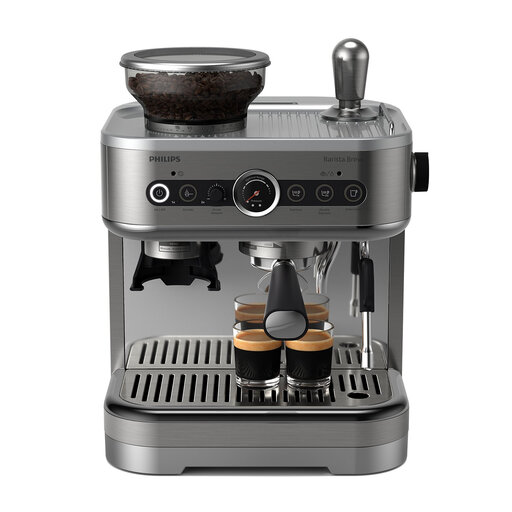
Why it suits this profile: This is a semi-automatic espresso machine for home users who want to grind, tamp and froth milk themselves. It has a 58 mm portafilter, pressure gauge, PID temperature control and steam wand.
The pressure gauge and 15 grind settings let you keep an eye on important adjustments. You’ll still need to clean the portafilter and steam wand after use.
2.3-litre water tank, metal conical grinder and a dedicated Americano button.
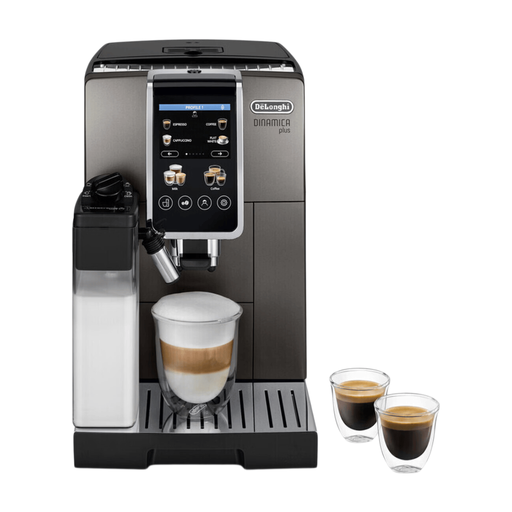
Why it suits this profile: The product information lists 24 programmes, a touchscreen, adjustable grind and water volume, and a milk reservoir. That makes it a good fit for households with different preferences.
The settings and programmes are specified. Check the space available on your worktop beforehand, and whether everyone in the household can use the same milk and bean choices.
24 programmes, 300-gram bean hopper and 1.8-litre water tank.
We’ve put together a complete, up-to-date list of products that meet these strict selection criteria and current European safety regulations.
Its lifespan depends on how often you use it, water hardness, the beans and how well you maintain it. Rinse the system as instructed in the manual, empty the drip tray and grounds container regularly, and descale when the machine prompts you to. A water filter can help reduce limescale build-up, but it needs replacing on time.
Beans and water can work out cheaper per cup than buying a prepared coffee away from home. Remember to factor in the cost of filters, descaler, cleaning tablets and milk, too. Your actual costs depend on how many cups you make, the type of beans you choose and the drinks you make.
A fully automatic machine usually grinds and makes your coffee at the touch of a button. With a semi-automatic machine, you measure and tamp the coffee yourself, then froth the milk with a steam wand. Choose a fully automatic coffee machine for convenience and an easy routine; choose a semi-automatic if you want more control over extraction and milk texture.
