
Vandaag of morgen in huis

Kwaliteit gegarandeerd

Welkomstaanbiedingen ontgrendelen: GRATIS bezorging | Tot 80% korting | Gratis 30 dagen JoyPlus-proefperiode
Download de app
A fully automatic espresso machine grinds coffee beans, measures the water and makes an espresso or lungo at the touch of a button. Models with a milk container or steam wand can also make cappuccino and latte macchiato. But convenience comes at a price: marketing copy often focuses more on the number of programmes than on maintenance, dimensions and everyday use.
So, if you’re buying a bean-to-cup or automatic coffee machine, it’s worth avoiding these common pitfalls first.
A coffee machine with 20 recipes sounds appealing, but check exactly what’s included. Different strengths, milk options or temperature settings may sometimes be counted as separate programmes. Also check whether the machine makes your chosen drink fully automatically or whether you need to froth the milk yourself.
An espresso machine with a milk frother always needs extra cleaning. Milk residue can be left behind in hoses, containers and nozzles. A removable milk container, automatic rinsing and dishwasher-safe parts make maintenance more convenient, but they don’t eliminate it altogether.
Check more than just the width. On many bean-to-cup machines, you need to be able to remove the water tank or bean container from the top or side. So make sure you measure the clearance above the machine, too. A compact machine may also have a smaller drip tray, which means you’ll need to empty it more often.
For one user, a tank of around 1.7 to 1.8 litres may be enough. In a household with several coffee drinkers, the capacity of the bean container matters too. For example, models in this selection have bean containers with a capacity of around 250 to 300 grams.
A larger tank means less frequent refilling, but it usually makes the machine heavier or taller. Also check whether you can use ground coffee if you sometimes want to make decaffeinated coffee.
An espresso machine with a built-in coffee grinder grinds the beans just before brewing. The number of grind settings indicates how much flexibility you have to adjust the grind. Philips models in this selection, for example, offer 12 grind settings, while certain De’Longhi machines have 13. The Krups EA8161 lists 3 grind textures.
More settings don’t automatically mean better coffee. They simply give you more ways to adjust the grind to suit different beans and tastes. Adjust the grind according to the manual; some machines only allow you to do this while the grinder is running.
A cappuccino machine with a manual steam wand gives you more control, but takes practice and needs cleaning after use. An automatic milk container makes it easier to prepare cappuccino and latte macchiato, but has more parts to rinse.
So check:
Several models have a pump pressure of 15 bar. This figure alone doesn’t determine the final taste; the grind, amount of coffee, water temperature and maintenance all play a part too.

Why it suits this profile: This model is designed for espresso and coffee, with a traditional milk frother. It’s easy to use, and you can adjust the coffee volume, strength and grind.
The product information lists a removable brew group and dishwasher-safe parts. The milk function is manual, so there’s no complicated milk container to maintain.
1.8-litre water tank, 12 grind settings, ceramic grinder and 1,500-watt power, according to the product specifications.
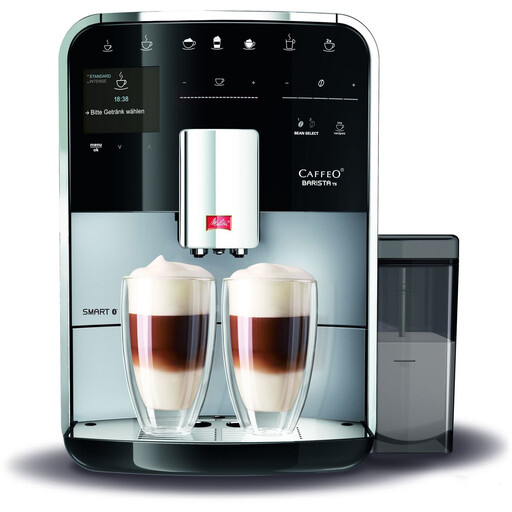
Why it suits this profile: A good fit for households that want to customise a range of coffee drinks and value app control.
The machine has two bean containers with a combined capacity of 270 grams. However, the product description lists 21 specialities, while the technical specification sheet lists 18 programmes. Check the latest product information before buying.
1.8-litre water tank, five grind settings, two milk- and coffee-based specialities at once, and a removable milk container that, according to the product information, is dishwasher-safe.
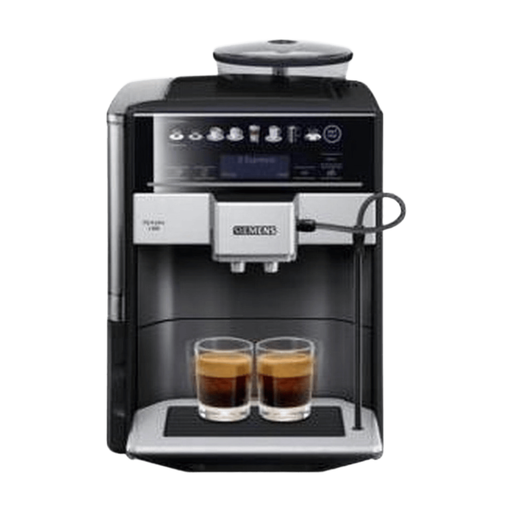
Why it suits this profile: A practical choice for households that make several cups and milk-based drinks one after another.
The capacity is clearly specified: 300 grams of beans and 1.7 litres of water. The automatic autoMilk Clean programme is designed to rinse the milk system after use.
OneTouch preparation for two espressos or two milk-based drinks, ceramic grinding discs and an adjustable cup volume, according to the product information.
We’ve put together a complete, up-to-date list of products that meet these strict selection criteria and current European safety regulations.
The main recurring costs are usually coffee beans, water filters, descaler and cleaning tablets. How often you need them depends on water hardness, how often you use the machine and the manufacturer’s recommendations. A water filter can help reduce limescale build-up, but it doesn’t always eliminate the need to descale.
Clean the pipes and nozzle after using the milk function. Empty the drip tray and coffee grounds container when the machine prompts you to. If the brew group is removable, take it out and rinse it regularly, as instructed in the manual. For descaling, use only the product recommended by the manufacturer; some manuals advise against using vinegar.
Its lifespan depends on how often it’s used, water quality, maintenance and the availability of spare parts. A machine that’s cleaned daily, descaled when prompted and used correctly may last longer than a similar appliance that isn’t maintained. Check the warranty and repair options too.
As well as the purchase price, you’ll pay for beans, electricity, water filters and maintenance products. A bean-to-cup machine usually has more parts to maintain than a simple filter coffee machine. So compare more than just the purchase price: check the cost and availability of filters, tablets and descaler too.
Fill the tank with fresh, cold water and use suitable whole coffee beans. First, set the coffee strength and volume. Then, if needed, adjust the grind according to the manufacturer’s instructions. Make a few test cups before deciding whether you’re happy with the settings. Also choose a stable, dry spot with enough room to open and clean the machine.
