
Vandaag of morgen in huis

Kwaliteit gegarandeerd

Welkomstaanbiedingen ontgrendelen: GRATIS bezorging | Tot 80% korting | Gratis 30 dagen JoyPlus-proefperiode
Download de app
A fully automatic coffee machine grinds coffee beans, makes espresso or regular coffee and, on some models, can also froth milk. It sounds simple, but machines can differ considerably. Choose the wrong one and you could end up with unnecessary maintenance, insufficient capacity or a machine that doesn’t suit the way you drink coffee.
So don’t just look at pressure, the number of programmes or a low price. Focus on how easy it is to use every day, how much maintenance it needs and which types of coffee you actually make.
Bean-to-cup espresso machines are often advertised as having 15 or 19 bar pressure. That figure alone doesn’t mean the coffee will taste better. Grind size, dose, temperature and extraction time all play a part too. Treat pump pressure as a technical specification, not a guarantee of quality.
A coffee machine with a milk frother is handy for cappuccinos and latte macchiatos, but the milk system needs extra cleaning. An automatic milk container is easy to use, while a traditional steam wand takes more effort. Check whether the parts are removable, washable or dishwasher-safe too.
A large water tank means less frequent refilling, but it also takes up more space on your worktop. A 1.8-litre tank may be practical for one or two coffee drinkers, while a compact model could be a better fit for a small kitchen. As well as capacity, check the machine’s width, depth and height, and how much space you need to remove the tank.
If you make coffee with fresh beans, an integrated grinder is a useful feature. Check how many grind settings it has and whether you can adjust the coffee strength and volume. According to the product information, the Philips 1200 Series EP1220/00 has a ceramic grinder with 12 grind settings, a 1.8-litre water tank and a 275-gram bean hopper.
More grind settings give you more ways to adjust the flow and flavour, but they don’t automatically make the machine easier to set up. For beginners, clear buttons and straightforward instructions are just as important.
If you regularly make cappuccinos, choose between:
Check whether the brew group, drip tray and coffee grounds container can be removed. With machines that have a milk system, rinsing it each day is often part of normal use. A complicated system may be less suitable if several people in your household use the machine.
A water filter can help reduce limescale build-up, but it doesn’t replace regular maintenance. Check how the machine alerts you when it needs descaling and which products the manufacturer recommends. Many new consumer products in the EU come with a minimum two-year legal guarantee; always check the specific terms for the product.
A bean-to-cup machine isn’t always the right choice, either. A filter coffee machine makes several cups at once and is often simpler to use. A capsule machine is compact and quick, but you’re tied to a capsule system. If you want to tamp your own coffee and steam the milk, a semi-automatic machine may be a better choice.
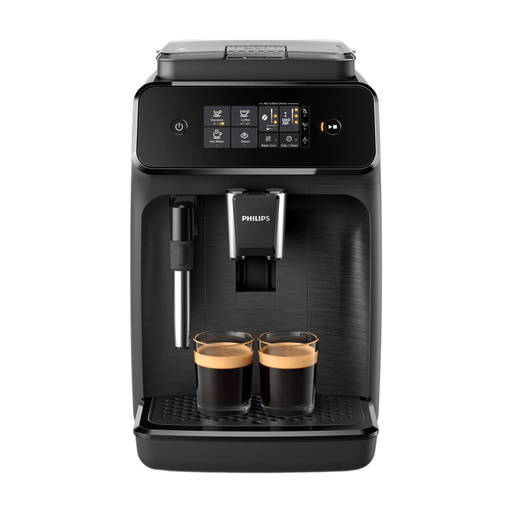
Why it suits this user: A straightforward model for anyone getting started with fresh beans and looking to make espresso or coffee with a traditional milk frother.
The removable brew group and detachable parts make regular cleaning more straightforward than with a fully enclosed system.
12 grind settings, adjustable coffee strength, a 1.8-litre water tank and a ceramic grinder, according to the product information.
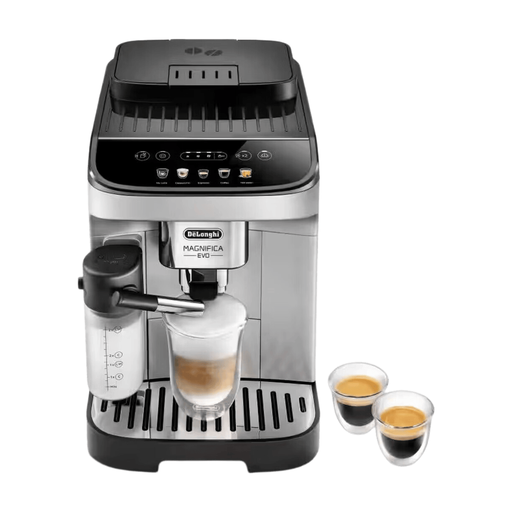
Why it suits this user: A good fit for households that often make a variety of coffee drinks and appreciate milk programmes for easy operation.
The machine gives maintenance alerts and has a removable brew group, drip tray and coffee grounds container. This helps you stay on top of maintenance.
According to the product information: 13 grind settings, a 1.8-litre water tank, a 250-gram bean capacity and an automatic milk programme.
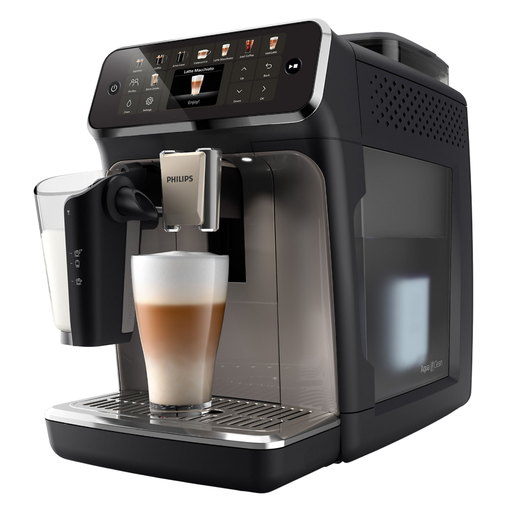
Why it suits this user: A sensible choice for families or frequent users who want plenty of variety, including milk-based and iced coffees.
According to the product information, the LatteGo milk system can be cleaned under the tap or in the dishwasher, making it easy to keep on top of milk-system maintenance.
According to Philips: a choice of 20 coffee drinks, two user profiles and 12 grind settings.
We’ve put together a complete, up-to-date list of products that meet these strict selection criteria and comply with current European safety regulations.
Its lifespan depends on how often you use it, your water quality and how well you maintain it. Rinse the system as instructed, empty the drip tray and coffee grounds container regularly, and descale the machine when prompted. Before buying, check whether the brew group is removable and whether replacement filters and cleaning products are available.
As well as the purchase price, you’ll pay for coffee beans, water filters, descaler and, potentially, milk-system parts. Beans are generally easier to buy in bulk than capsules, but consumption varies depending on coffee strength and cup size. For a coffee machine at home, the number of cups you make each day is the main factor affecting ongoing costs.
Yes, but the process varies from model to model. A machine with an automatic milk container makes cappuccinos with very little effort. A model with a steam wand takes more practice, but gives you greater control over the milk texture. So don’t just compare the label “cappuccino coffee machine”; look at how the milk system works and how easy it is to clean, too.
