
Same-day & Next-day Delivery

Quality Guaranteed

Unlock Your Welcome Offers: FREE Delivery | Up to 80% OFF | Free 30-day JoyPlus trial
Download the APP
Frozen dumplings are a handy option for a quick meal, snack or dim sum at home. Yet Chinese dumplings, gyoza and har gau shrimp dumplings differ greatly in filling, size, cooking method and packaging. A low price per bag doesn’t always tell you what you’re actually getting.
The most common pitfalls:
First, look at the type of filling. Examples include shrimp dumplings, chicken, beef, pork, lamb, mushroom or vegetable. Don’t just rely on the product name – also check the ingredient order and the percentage of the main ingredient.
Freshasia Shrimp Dumpling 880g, for instance, states 45% shrimp in the filling. With FRESHASIA Beef & Onion Dumplings 600g Value Pack, you’ll see 23% beef and 11% onion listed. Percentages like these make it easier to compare products.
For dietary requirements and food allergies, the label is decisive. Many dumplings contain wheat, gluten, soya and sesame. Har gau shrimp dumplings also contain crustaceans; some varieties may also contain fish. A vegetarian dumpling isn’t automatically vegan: check whether egg, dairy or animal-derived flavourings are excluded. The bibigo Korean BBQ Gyoza (Vegan) 300g is marketed as vegan, but does contain wheat, soya and sesame.
Frozen dumplings usually don’t need to be thawed first. Thawing can cause the wrappers to stick together or tear. Always follow the instructions on the packaging, as timings vary by product and size.
Heat the filling through completely, and for the exact core temperature and cooking details, refer to the information on the packaging. Raw frozen dumplings are not ready to eat straight away.
A family pack of 600 g or 1 kg suits larger households, meal prep or a dim sum evening. For a first try, 300 to 450 g is often more practical. Also check whether the dumplings are individually frozen. This makes it easier to cook only the amount you need.
Store frozen dumplings at the temperature range stated on the packaging, often -18 °C or lower. Once thawed, they should not be refrozen according to the product information. Check the best-before date on the packaging and keep the pack sealed to prevent quality loss from freezer burn.
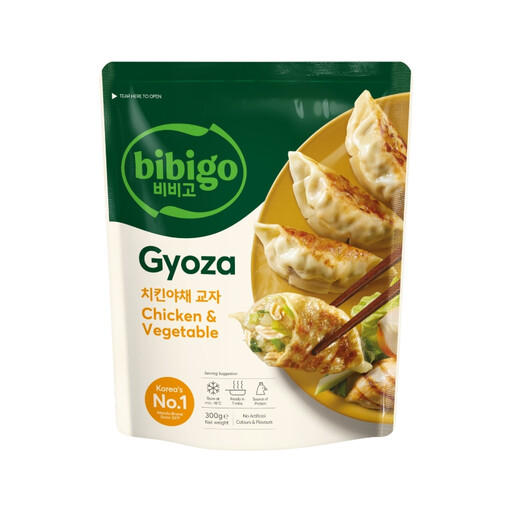
Why this fits the profile: The 300 g pack is a manageable size for a first purchase or a quick meal for one or two people.
You don’t have to buy a bulk pack straight away. Do check the full ingredients and allergen information on the label before use.
Compact portion; chicken and vegetable filling; suitable as gyoza for a quick meal.
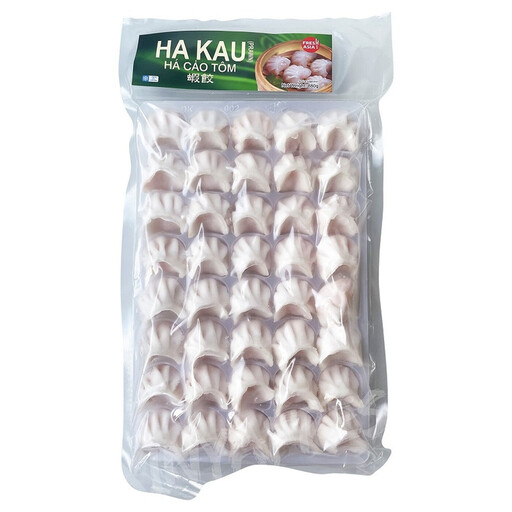
Why this fits the profile: If you value a clearly stated filling and a dim sum-style presentation, you can steam these shrimp dumplings.
The product information states the shrimp percentage, weight and main allergens. This prevents you from comparing based on packaging alone.
55% filling; 45% translucent wrapper; 880 g for multiple servings.
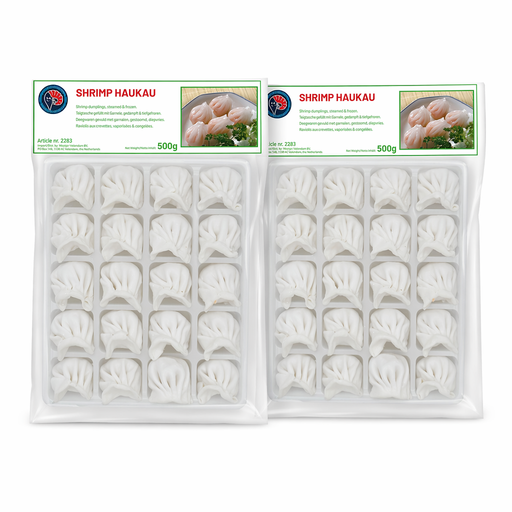
Why this fits the profile: The twin pack suits regular dim sum at home, larger households or stocking up on Asian frozen products.
The cooking method is clearly aimed at steaming from frozen. This means you don’t have to guess between boiling, frying or thawing.
2 x 500 g; cooking time of 8 to 10 minutes; suitable for a bamboo steamer or steam pan.
For a meat-free meal, San Quan Mushroom & Bok Choy Vegetarian Dumplings 450g are a practical option. The filling includes Chinese cabbage, mushroom and black fungus. These dumplings can be boiled, steamed or pan-fried. They do contain wheat, soya and sesame.
If you’re specifically looking for vegan gyoza, take a look at the bibigo Korean BBQ Gyoza (Vegan) 300g. The product information lists vegetables, wheat gluten and soya sauce. Always check the current packaging with each purchase, as product compositions can change.
Other flavours include pork with sweetcorn, beef with onion, chicken with vegetables, kimchi with chicken, and lamb with carrot. The search term “vle dumplings” is often used for meat dumplings; when comparing, focus on the meat percentages and allergens rather than just the flavour name.
We’ve put together a full, up-to-date list of products that fully meet these strict selection criteria and comply with current European safety regulations.
Usually, yes. Many products are designed to be boiled, steamed or fried directly from the freezer. Only thaw them if the packaging instructs you to do so.
Store them at the temperature stated on the packaging, often -18 °C or lower, until the best-before date. Once thawed, they should be kept refrigerated according to the product information and not refrozen.
That depends on the portion size and filling. Combine dumplings with pak choi, cucumber, edamame or a light soup for a more varied meal. For a snack or dim sum at home, they’re often fine with a dipping sauce of soya sauce, rice vinegar and sesame oil.
