
Vandaag of morgen in huis

Kwaliteit gegarandeerd

Welkomstaanbiedingen ontgrendelen: GRATIS bezorging | Tot 80% korting | Gratis 30 dagen JoyPlus-proefperiode
Download de app
Frozen dumplings are convenient for a quick meal, but the differences between packs are greater than the front-of-pack photo might suggest. For example, a bag may contain 300, 400 or 600 grams, while the number of pieces is not always clearly shown. Terms such as Chinese dumplings, gyoza and ravioli are also sometimes used interchangeably.
Pay particular attention to the filling, allergens, preparation method and storage instructions. This will help you avoid buying a product that does not suit your household, cooking style or dietary requirements.
A family pack of dumplings can be practical, but always compare the price per 100 grams. A 600-gram pack contains more product, but it may also dry out more quickly if the bag is not sealed properly after opening. Individually wrapped dumplings or resealable packaging are more convenient if you regularly prepare smaller portions.
Not every dumpling is suitable for every cooking method. Some products are mainly intended for frying, while others are best steamed or boiled. Check whether you can cook the dumplings straight from frozen. Several products explicitly state that thawing is not necessary.
Choosing the wrong method can result in a soft base, torn dough or a filling that is not fully cooked.
“Chicken”, “beef” or “vegetables” reveal little about the complete ingredients. For example, a chicken dumpling may also contain cabbage, onion, leek, soya and sesame. Pork dumplings may contain added prawns, celery or fish ingredients. Always read the ingredients list and allergen information on both the product page and the packaging.
Look at the percentage of meat or vegetables if this information is provided. According to the product specification, the KUNGFU Three Delicacies Pork Dumplings 400g contains 22% pork, 3% black fungus and 2% shiitake, alongside dried prawn and vegetables. The FRESHASIA Beef & Onion Dumplings 600g Value Pack lists 23% beef and 11% onion.
For a product containing pork and Chinese cabbage, the proportions may be different. The FRESHASIA Jumbo Dumpling Pork Chinese Leaf 600g, for example, lists 24% pork and 11% Chinese cabbage. These percentages provide a useful indication of the filling, but they do not on their own determine how you will experience the flavour.
A thin dough wrapper can work well for steaming or boiling, while a firmer wrapper may be better suited to pan-frying. Always check the instructions:
The instructions on the packaging take priority. Cook frozen dumplings thoroughly and only serve them once the centre is piping hot.
A 300-gram pack is suitable as a snack, side dish or small meal. A 600-gram bag is better suited to a family or to situations where you want to store several portions. Frozen dumplings should generally be stored at -18 °C or below, depending on the label. According to the product information provided, a product that has been thawed must not be refrozen.
Also check the best-before date. After opening, it is advisable to seal the packaging properly and use the product according to the instructions.
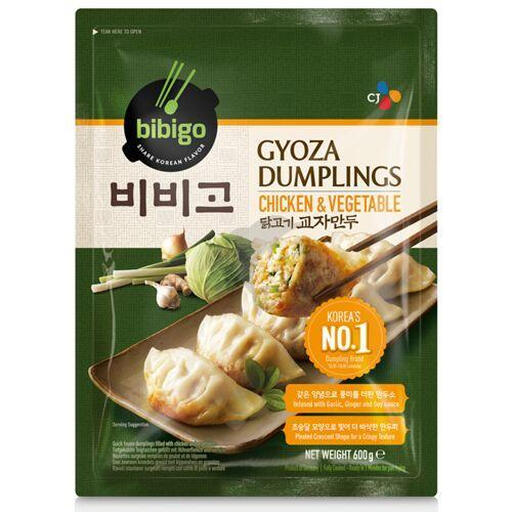
Why it suits this shopper profile: The pack contains 30 pieces and 600 grams. That makes it easy to plan portions when trying gyoza for the first time or preparing a meal for several people.
The fixed number of pieces means you do not have to rely on weight alone. The ingredients list includes chicken, cabbage, onion and leek.
600 grams, 30 pieces, and chicken with several vegetables. According to the product information, it contains wheat, soya and sesame.
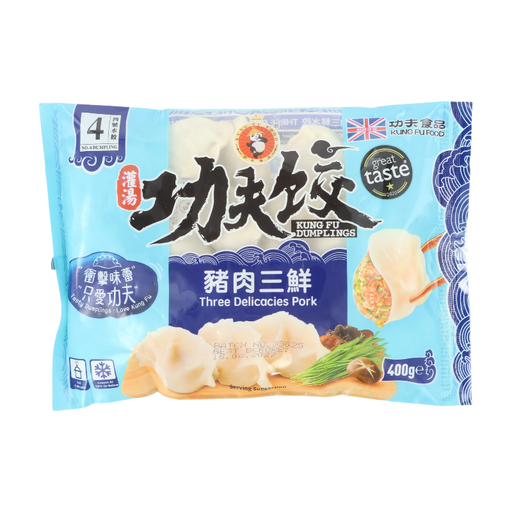
Why it suits this shopper profile: A combination of pork, prawn, black fungus and shiitake offers more variety than a simple meat filling.
The product information lists four preparation methods: boiling, steaming, frying and deep-frying. Allergens are clearly specified.
400 grams, thin dough according to the product description, and a filling containing 22% pork. Contains wheat, crustaceans, soya and sesame.
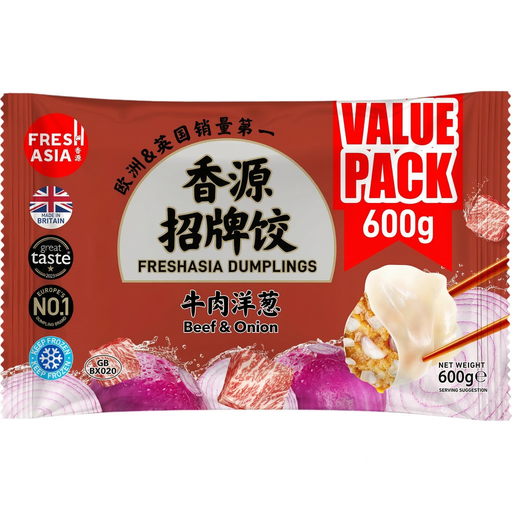
Why it suits this shopper profile: The 600-gram pack is suitable for larger portions and regular use. The product can be boiled, steamed or cooked in a frying pan.
The product page gives specific cooking times: boil for 5 to 7 minutes and steam for 8 to 10 minutes. Cooking from frozen is possible.
23% beef, 11% onion and 600 grams of contents. Contains wheat, soya and sesame; check the current packaging for details.
We have put together a complete, up-to-date list of products that fully meet these strict selection criteria and the applicable European safety regulations.
Many products do not need to be thawed first. Carefully place the dumplings in boiling or gently simmering water and follow the stated cooking time. Check that the filling is fully cooked and piping hot. The packaging remains the definitive guide, as size and dough thickness vary between products.
The terms refer to similar filled dough products, but the style and preparation method may differ. Gyoza are often pan-fried with a crispy base. Chinese dumplings are also commonly boiled or steamed. The product name alone does not determine which method is suitable; check the instructions.
Store them at the temperature stated on the packaging, usually -18 °C or below, and keep an eye on the best-before date. Once thawed, the product must not be refrozen according to the instructions provided. If you have allergies, always check the latest ingredients list, as recipes or labels may change.
