
Same-day & Next-day Delivery

Quality Guaranteed

Unlock Your Welcome Offers: FREE Delivery | Up to 80% OFF | Free 30-day JoyPlus trial
Download the APP
Anyone looking to buy gyoza dumplings will soon come across dozens of varieties: chicken gyoza, prawn gyoza, pork gyoza, vegan gyoza and Chinese dumplings. The differences are not limited to flavour. Quantity, cooking method, allergens and the freezer space required also determine whether a pack is practical for your household.
The following points will help you separate marketing language from verifiable product information.
A 1.5 kg bag is useful for a family or a chest freezer, but less suitable if you only eat dumplings as an occasional snack. Always check the net weight, number of pieces and serving size. Some packs state the number of pieces, while others only give the weight in grams.
Gyoza are generally Japanese dumplings with a thin dough wrapper, while ha kau dumplings have a transparent, starch-based wrapper and are usually steamed. Chinese dumplings can have a thicker wrapper and are often suitable for boiling, steaming or frying. So look at the shape, filling and cooking instructions rather than relying on the product name alone.
Many Asian dumplings contain wheat, gluten, soya and sesame. Prawn gyoza and ha kau dumplings also often contain crustaceans; some varieties contain fish as well. Read the ingredients list and allergen information on both the product page and the packaging. If there is any discrepancy, the packaging takes precedence.
The filling largely determines when a product is best enjoyed. Chicken gyoza are suitable as an easy snack or side dish, while pork gyoza often have a more pronounced savoury flavour. Beef gyoza and Korean bulgogi varieties are a good choice if you prefer a more highly seasoned profile. For a plant-based option, look for vegan gyoza containing vegetables, wheat gluten or soya.
Also compare the order of ingredients and the stated proportion of meat, fish or prawns. For example, Freshasia Signature Dumplings with pork and Chinese sauerkraut list 25% pork and 10% pickled Chinese cabbage. That is more specific than a general description such as “generously filled”.
Pay attention to nutritional values per 100 grams too. Products can differ in their fat, protein and salt content, among other things. Use these figures to compare varieties, not to predict flavour or quality.
Check whether the dumplings can be cooked straight from frozen. Many products are not intended to be defrosted first. This helps prevent the dough from becoming soggy or sticking together.
Follow the instructions for the specific brand. According to the product description for KHY Chicken Gyoza, for example, the dumplings should be pan-fried for two minutes, then covered with water and cooked for a further three minutes or so. The instructions for bibigo Korean BBQ Gyoza state that they should be cooked in a pan for around seven minutes.
Frozen products should remain frozen until you are ready to cook them. Several product pages state that they should be stored at –18 °C or below, or at the temperature shown on the packaging. A statement that a product is stored, packed and transported under chilled conditions describes the logistics method being offered; when your order arrives, check that the product is still frozen.
After defrosting, dumplings should be kept chilled and used within the stated period. Do not refreeze a product once it has thawed. Check the best-before date on the packaging, as this may vary between deliveries.
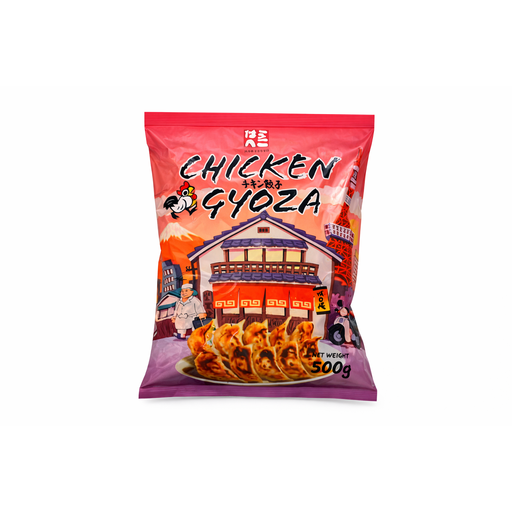
Why it suits this profile: A 500-gram pack is a manageable choice for anyone trying Japanese dumplings for the first time or looking for a quick meal for a small household.
The product page lists the weight, allergens and three cooking methods: pan-frying, deep-frying and steaming. This means you do not have to guess how to prepare them.
147 kcal and 7.16 grams of protein per 100 grams according to the product information; can be cooked from frozen.
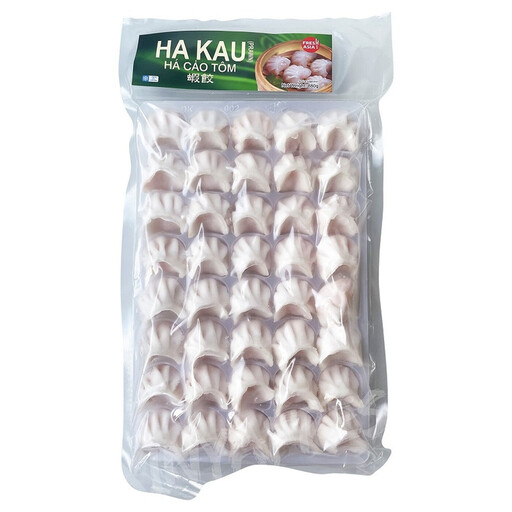
Why it suits this profile: According to the product description, this prawn variety has a transparent wrapper and is designed to recreate a dim sum experience at home.
The stated proportion of prawns in the filling is 45%. Crustaceans, wheat and sesame are also clearly listed as allergens.
880 grams of contents; designed for steaming; 155 kcal and 8 grams of protein per 100 grams according to the product information.
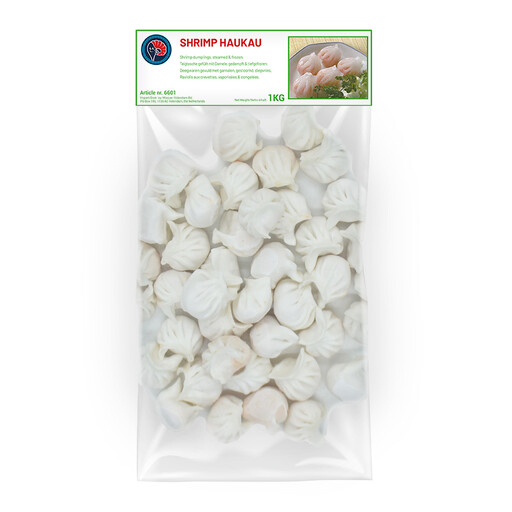
Why it suits this profile: A kilo of IQF dumplings is practical for families, entertaining or a freezer where you want to use portions individually.
The IQF packaging is explicitly stated. However, make sure your freezer has enough space and seal the bag properly after use.
1 kg contents; suitable for steaming; the product information lists crustaceans, gluten, sesame oil and soya as allergens.
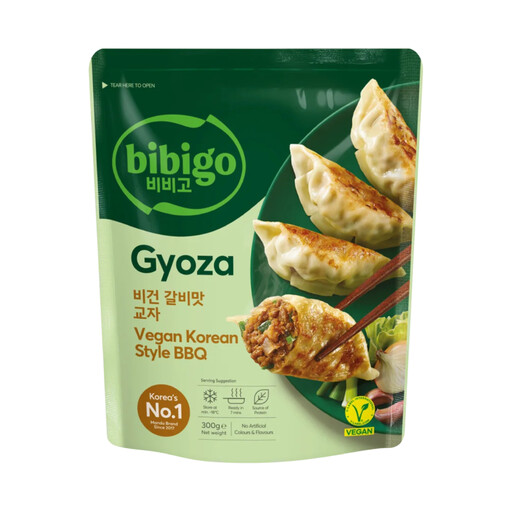
Why it suits this profile: According to the stated product information, this variety contains no meat or crustacean ingredients and is suitable for a plant-based meal or snack.
The ingredients list includes vegetables, wheat gluten, chickpea flour and pea starch. If you have an allergy, always check the current packaging.
300-gram pack; suitable for pan-frying and steaming; the product description states a cooking time of approximately seven to eight minutes.
We have compiled a complete, up-to-date list of products that fully meet these strict selection criteria and the applicable European safety regulations.
For most frozen gyoza, a combination of pan-frying and steaming works well:
Serve them with soya sauce, rice vinegar, chilli oil or a simple cucumber salad. Ha kau dumplings and crystal dumplings are usually prepared by steaming. For example, use a steamer basket lined with baking paper or a perforated insert so that the dough wrapper does not stick.
Usually, yes. Many product instructions recommend not defrosting gyoza. This applies to various chicken, prawn and vegan varieties. Always check the cooking method on the packaging and make sure the filling is cooked through completely.
Gyoza generally have a soft dough wrapper and are often pan-fried, steamed or boiled. Ha kau dumplings usually have a translucent wrapper made from wheat and tapioca starch and are mainly steamed. The ingredients and allergens vary from one product to another.
Store them at the temperature stated on the packaging, generally –18 °C or below, until the stated best-before date. Once defrosted, they must be kept chilled and should not be refrozen. For the exact storage period, always check the label on your pack.
