
Vandaag of morgen in huis

Kwaliteit gegarandeerd

Welkomstaanbiedingen ontgrendelen: GRATIS bezorging | Tot 80% korting | Gratis 30 dagen JoyPlus-proefperiode
Download de app
Frozen beef is convenient for hotpot, stir-fries, barbecues, soups and stews. However, a large pack or appealing product name does not automatically mean the meat suits your cooking style. Pay particular attention to the cut, slice thickness, packaging and storage instructions.
In this buying guide from the Joybuy Product Recommendation Officer, you’ll learn what to look for when buying beef and which options suit different uses in UK households.
A pack of 1 kg of beef may seem practical, but first consider what you want to use the meat for. Thinly sliced pieces are suitable for several quick meals, while a kilogram of beef shin or rib meat requires longer cooking. Larger packs are particularly useful if you have enough freezer space and can portion the meat up.
For beef for hotpot, beef rolls and beef slices, an even slice thickness is important. Slices that are too thick take longer to cook in hot stock. Slices that are too thin or frozen together are harder to separate. So check the stated slice thickness, the product photo and whether the meat is individually or neatly packaged.
A product description may use terms such as “tender”, “premium” or “restaurant quality”. Treat these as marketing claims and also check the objective details: weight, ingredients, origin, cut shape and cooking instructions.
Frozen beef should generally be stored at –18 °C or below, depending on the label. According to the product information, items in the range are stored, packaged and transported under chilled or frozen conditions. On delivery, check that the packaging is intact and that the product still feels frozen.
According to the product information provided, defrosted meat must not be refrozen. Once defrosted, store it in the fridge and follow the timeframe stated on the packaging.
The cut largely determines how you can use the meat:
Also check the difference between a product containing 100% beef and one with added salt or other ingredients. FRESHASIA Beef Slice 300g, for example, lists 99.5% beef and 0.5% salt, while several other options list only 100% beef.
IQF stands for individually quick frozen. According to the product description for Kinda Hotpot Beef Rolls, the slices are individually frozen and packed in a sealed tray. This can be useful when you only need part of the pack.
For households, a pack of 300 to 800 grams is often easy to manage. For a large family, commercial kitchen or regular hotpot meals, packs of 1 kg or 2 x 1 kg may be more practical. Always compare the price per kilogram rather than just the price per pack.
Check the origin and ingredients on the label. Several products state that none of the 14 major EU allergens are present. This does not mean you can skip checking the label: recipes and packaging information may change.
For halal beef, rely on the specific product information. Kinda Hotpot Beef Rolls 800g Halal is described as halal in the product name. According to the manufacturer’s information, VIFON Beef Flavor Pho Bo is also described as halal, but it is an instant product containing noodles and flavourings, not a pack of beef alone. For religious or dietary requirements, always check the current label and any relevant certification.
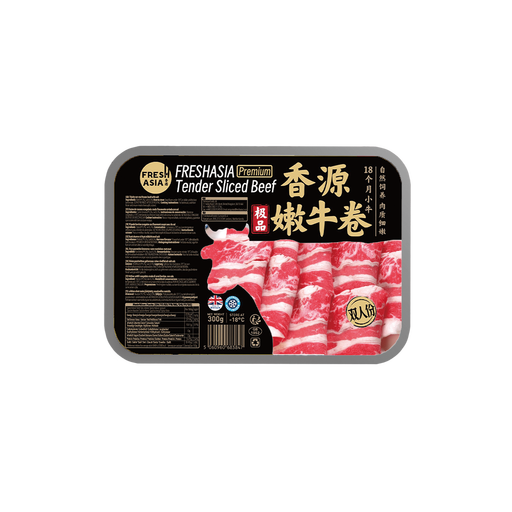
Why it suits this profile: The smaller pack is a practical way to try thinly sliced beef for hotpot without immediately buying a large stock-up pack.
The net weight is clearly stated and, according to the product information, the ingredients consist of 99.5% beef and 0.5% salt. The label recommends cooking from frozen.
300 g pack; intended for hotpot; 18-month shelf life according to the product information provided.
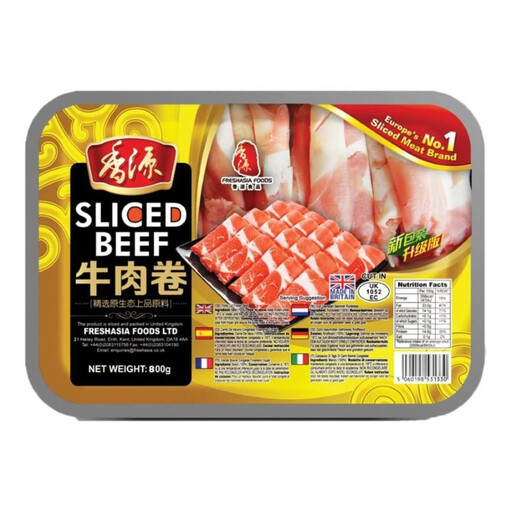
Why it suits this profile: According to the product description, the evenly sliced pieces are intended for hotpot, stir-frying and grilling, so one pack supports several cooking styles.
The product information states an even slice thickness, neat arrangement and a net weight of 800 g. This makes the quantity clear in advance.
19.5 g protein per 100 g; 0 g carbohydrates; suitable for several cooking methods according to the product description.
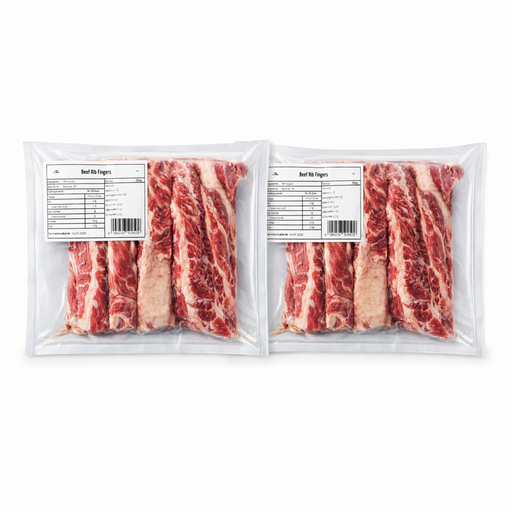
Why it suits this profile: This larger pack is ideal for barbecue fans, slow-cooking enthusiasts and professional kitchens that regularly prepare beef ribs.
The product name makes the total quantity explicit: two packs of 1 kg. The recommended uses are barbecuing and slow cooking, not quick hotpot preparation.
Total contents of 2 kg; suitable for barbecuing and slow cooking; according to the product information, free from the 14 major EU allergens.
We’ve put together a complete, up-to-date list of products that fully meet these strict selection criteria and the applicable European safety regulations.
Decide in advance how much you need and take only that portion out of the freezer. Thin slices for hotpot can often be used straight from frozen, or partially frozen, if the label states this. Thicker cuts, such as beef shin, rib fingers and beef ribs, generally need more time to cook evenly.
Use a separate chopping board for raw meat, and wash your hands and kitchen utensils after handling the product. Always follow the cooking instructions on the packaging and ensure the meat is cooked thoroughly whenever this is specified.
The exact shelf life is stated on the packaging and may vary from product to product. Store the meat at the indicated temperature, generally –18 °C or below. Avoid temperature fluctuations and do not refreeze defrosted meat.
This depends on the product. Some thinly sliced products state that they can be cooked from frozen. Other products need to be defrosted first. Always check the instructions for use. Thin beef rolls and beef slices are generally intended for brief cooking in hot stock.
For pho, you can use thinly sliced beef that cooks briefly in the hot stock. For a richer soup base, beef shin, beef tendon or other cuts that can simmer slowly are suitable. An instant pho product, such as VIFON Cup Noodle Beef Pho Bo, is a quick cupboard option, but it does not replace raw beef when making homemade stock.
