
当日/次日达

品质保障

开启新人专享福利: 全场免邮 | 低至 2 折 | 免费试用 30 天 JoyPlus 会员
下载 Joybuy
If you’re looking to buy beef rib fingers, you’re probably after tender beef with plenty of flavour for the barbecue, grill or slow cooker. Yet many packs look very similar. A low price per kilo, for example, might mean a smaller portion, a lot of fat, or an unclear cut. What’s more, beef rib fingers are sometimes confused with beef short ribs, ribeye or pork ribs.
With these practical checks, you can compare beef rib fingers fairly and avoid buying something that doesn’t suit your cooking method.
A 1 kg pack might look appealing, but always check whether it’s pure meat, whether there’s any bone, and how many portions you’ll get. With frozen beef, packs can also have different net weights. So compare the price per kilogram, not just the total price.
Words like “premium”, “Wagyu” or “marbled” don’t automatically tell you how a piece of meat will perform with your cooking method. Check the animal type, origin, cut, quantity and storage conditions. A product with lots of marbling might be suitable for quick grilling, while a leaner beef rib finger is better suited to gentle cooking.
Claims about tenderness, flavour or marbling come from the brand or seller’s product description. Treat them as product information, not a guaranteed result.
Not all beef ribs are the same. Thinly sliced short ribs are handy for grilling or hotpot. Longer, raw rib fingers, on the other hand, may be better suited to low-temperature barbecuing or slow cooking. Also check whether the product is supplied defrosted, chilled or frozen.
Beef rib fingers are strips of beef from around the rib area. They can be sold boneless, whereas beef short ribs are often sold with the bone in and in thicker pieces. For quick cooking, thin slices or strips are practical. For beef for slow cooking, thicker pieces with connective tissue are often more logical, because long cooking makes the texture tender.
Look out for these descriptions:
Check the net weight and the ingredients. A statement such as 100% beef rib meat makes it clear that the ingredients list contains only beef. Also check whether the pack is a single block or several portions. Two 1 kg packs can be more convenient than one large block if you don’t want to cook everything at once.
The products available range from 500 g to 2 x 1 kg, for example. Choose a smaller pack for a first purchase or a dinner for a few people. If you regularly cook rib meat for the barbecue, a larger pack may work out better value, provided you have enough freezer space.
Origin and nutritional values are shown on the product page or pack. For the Raw Natural Beef Rib Finger products, the Netherlands is listed as the country of origin. The product information for the 1 kg variant states 321 kcal, 18 g fat and 16.9 g protein per 100 g, among other details. These values can vary between variants, so check the exact pack.
For frozen beef, a few practical rules apply:
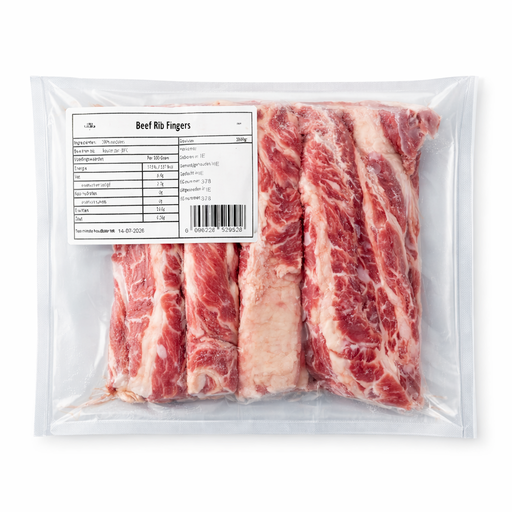
Why this fits the profile: A straightforward 1 kg pack for anyone trying beef rib fingers at home for the first time on the barbecue or in the slow cooker.
The weight is clearly stated and the product description explicitly mentions barbecuing and slow cooking as uses.
1 kg of beef; delivered frozen; none of the 14 major EU allergens are listed.
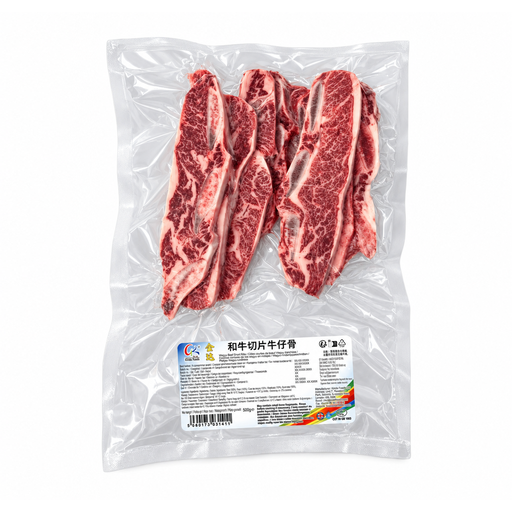
Why this fits the profile: A choice for anyone deliberately looking for bone-in beef short ribs with a stated Wagyu composition and a 500 g pack.
The product information states origin, composition, weight and storage temperature. This lets you check the purchase without relying solely on marketing words.
100% British Wagyu according to the product description; bone-in; suitable for grill, pan and oven.
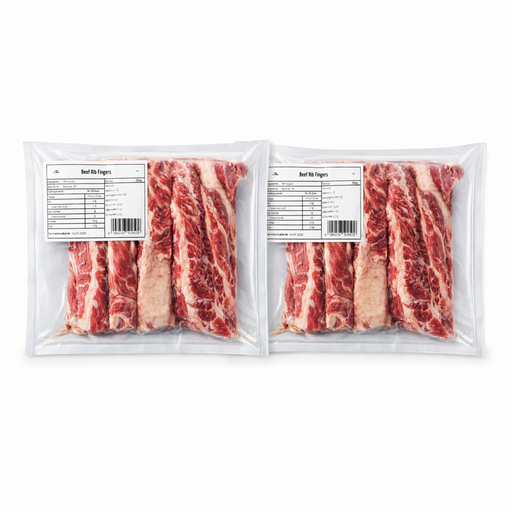
Why this fits the profile: Two 1 kg packs are practical for barbecue groups, meal prep or households that cook beef ribs more often.
The portion split means you don’t have to defrost the whole amount at once. This helps avoid waste and refreezing.
Total quantity of 2 kg; frozen pack; according to the product description, suitable for barbecue and slow cooking.
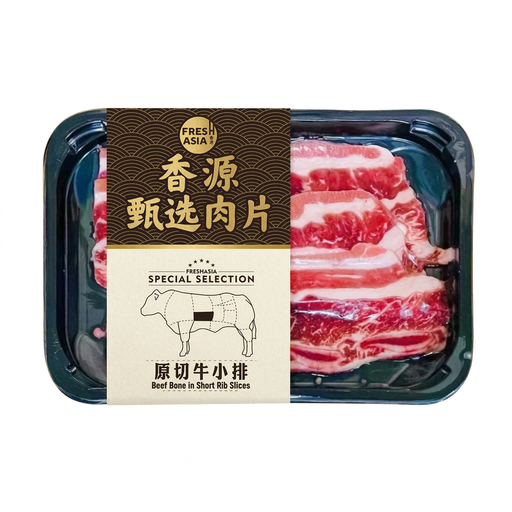
Why this fits the profile: The pre-sliced bone-in pieces are ideal for hotpot, grilling and quick pan frying.
The 220 g weight and the cut shape are clearly stated. This means you don’t buy a large piece when you actually need small portions.
220 g per pack; bone-in; product description mentions grilling, pan-frying and hotpot as cooking options.
We’ve put together a full, up-to-date list of products that fully meet these strict selection criteria and comply with current European safety regulations.
Pat the meat dry and season it as you like. The right cooking method depends on the thickness. Thin pieces can be grilled directly over medium-high heat. Thicker raw beef rib fingers, according to the product description, are better suited to slow cooking. Use a meat thermometer and always follow the cooking and safety instructions on the pack.
It’s best to defrost the meat fully in the fridge, unless the pack gives different instructions. Cooking it straight from frozen can lead to a burnt outside and an undercooked centre. Once defrosted, you should not refreeze the meat, according to the stated storage instructions.
That depends on the cut, the bone content and the side dishes. For a main course, allow roughly 250 to 400 grams of raw meat per adult. With bone-in short ribs, there’s less edible meat than with boneless meat. So check the net weight and plan several side dishes for a barbecue.
