
Vandaag of morgen in huis

Kwaliteit gegarandeerd

Welkomstaanbiedingen ontgrendelen: GRATIS bezorging | Tot 80% korting | Gratis 30 dagen JoyPlus-proefperiode
Download de app
Buying frozen beef may seem straightforward, but an attractive product photo tells you little about whether it is suitable for your dish. A steak for the barbecue requires different qualities from beef for hotpot, stir-fries or a stew. Weight, slice thickness, origin and storage conditions also affect the price and ease of use.
As a Joybuy Product Recommendation Officer, I filter product information down to practical details. This helps you see which specifications can be checked and which marketing claims you should not simply take at face value.
A tender ribeye or sirloin steak is intended for quick cooking at a high temperature. Beef shank contains more connective tissue and needs time in a stew, stock or soup. If you use a cut that needs slow cooking in a wok, the meat may remain tough.
A 1 kg pack may seem good value, but it is not always practical for a small household. Pay attention to the portion size and how the meat has been cut. A pack containing two 200 g steaks is easier to plan than a large block that must be used in full after thawing.
Words such as “premium”, “restaurant quality” or “extra tender” are not automatically a measurable guarantee. Instead, look at ingredients, weight, slice thickness, origin, nutritional values and cooking advice. A brand’s own research may mention certain characteristics, but do not present such claims as established facts without a verifiable product specification.
Choose the dish first, then the cut:
Check whether the stated weight is the net weight and how many portions you receive. Examples from the range include 400 g as two 200 g portions, 1 kg divided into four 250 g pieces, and 800 g in a larger pack. For hospitality buyers, 1 or 2 kg packs may be more efficient, while smaller households may benefit from portion-sized packs.
Frozen beef should remain frozen until use. Several products in this selection specify storage at –18 °C or below. Thaw meat in the fridge wherever possible and always follow the instructions on the label. According to the product information provided, the product must not be refrozen after thawing. Some packs state that the meat should be used within 24 or 48 hours of thawing.
For chilled delivery, it is sensible to check in advance that you will be at home when it arrives and that you have enough space in your freezer. The product descriptions for several items mention storage, packaging and transport in a temperature-controlled environment; check the latest delivery information when ordering.
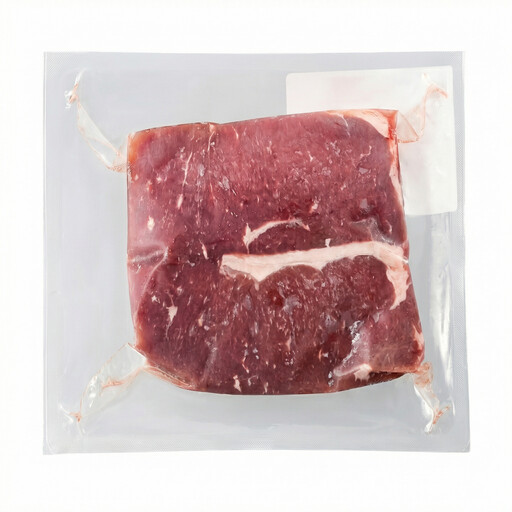
Why it suits this profile: Two 200 g portions make it easy to plan a meal for one or two people. The product information states that it contains 100% beef and 23 g of protein per 100 g.
The fixed portions prevent you from having to thaw a large pack for a small meal.
400 g in total, two 200 g pieces, 100% beef and 23 g of protein per 100 g according to the product details.
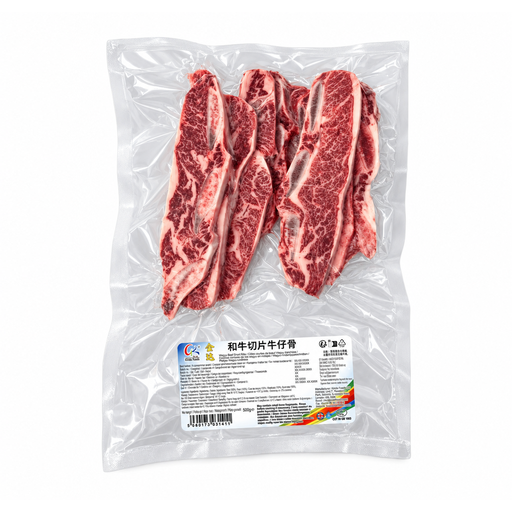
Why it suits this profile: According to the product description, this pack contains 100% British Wagyu beef in thick, bone-in short-rib slices, intended for barbecue, grilling, pan-frying or oven cooking.
The cut and usage advice make it clear that this is not thin beef for stir-fries, but a product for grilling or finishing with a longer cooking time.
500 g pack, bone-in short ribs, stated UK origin and suitable for several cooking methods.
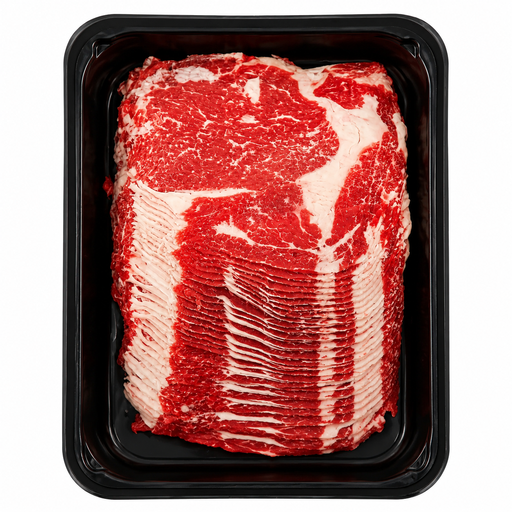
Why it suits this profile: The stated slice thickness of 1.2 mm is designed for quick cooking in hotpot broth. This also makes it suitable for thinly sliced stir-fries.
The slice thickness is stated clearly, so you do not have to rely on a general description such as “ready quickly”.
500 g, ribeye cut, 1.2 mm slice thickness and, according to the product information, 21.2 g of protein per 100 g.
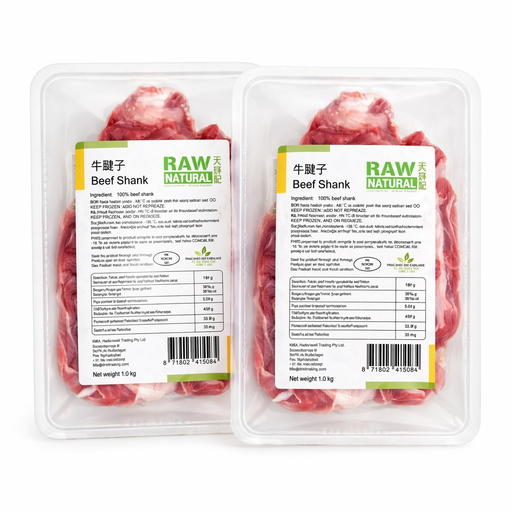
Why it suits this profile: Two 1 kg packs are suitable for larger households, meal prep or professional use in stews and stocks.
The product name makes the cut and total quantity clear. You are not buying a quick-cooking steak for a dish that requires slow cooking.
2 x 1 kg, 100% beef and, according to the nutritional information, 34.6 g of protein per 100 g.
For a quick meal, Steak Bites 200g are practical for stir-fries, salads, skewers or fried dishes. The product information states that they contain 100% beef, 22.9 g of protein and 1.8 g of fat per 100 g. For beef offal, options include 500 g Beef Heart Pieces, omasum or honeycomb tripe. With these products, take extra care to check the required preparation and cooking time.
If you are looking for beef for the barbecue, you could also consider 1 kg Beef Rib Fingers. The product description lists barbecue and slow cooking as suitable uses. For a halal option, Kinda Hotpot Beef Rolls 800g Halal is identified as halal in the product name. For important religious or dietary choices, always check the current packaging and certification information.
An alternative for snacking is Jack Link’s Beef Jerky Original, 12 x 25 g bags. This is dried beef, not a raw frozen product. The pack contains 300 g in total and, according to the product description, states 41 g of protein per 100 g. Store this product in a cool, dry place, as directed on the label.
We have put together a complete, up-to-date list of products that fully meet these strict selection criteria and the applicable European safety regulations.
Place the meat in the fridge and allow it to thaw slowly. Do not use warm water and do not leave it at room temperature for an extended period. Pat the meat dry before frying or stir-frying, and follow the storage instructions on the packaging.
The use-by or best-before information is shown on the packaging. Store the product at the stated temperature, often –18 °C or below, and minimise temperature fluctuations. After thawing, follow the timeframe on the label; refreezing is not recommended for the products mentioned.
Choose thinly sliced beef, such as 1.2 mm ribeye slices or evenly cut hotpot rolls. Thin slices cook quickly in hot broth. Check that the slices are raw and cook them thoroughly according to the instructions on the packaging.
