
Vandaag of morgen in huis

Kwaliteit gegarandeerd

Welkomstaanbiedingen ontgrendelen: GRATIS bezorging | Tot 80% korting | Gratis 30 dagen JoyPlus-proefperiode
Download de app
Buying beef online is easy, but not every pack suits every dish. A thinly sliced ribeye for hotpot requires a different approach to beef shank for a stew. What’s more, terms like “premium”, “wagyu” and “tender” don’t always tell you how the meat should be cooked or stored.
With these practical checkpoints, you can compare products based on cut, weight, storage method and use. That way, you’ll avoid buying a large pack that doesn’t fit in your freezer, or a steak that’s actually meant for slow cooking.
A product name like ribeye steak, flat iron steak or short rib gives you a first impression, but you should also check the cut and thickness. A ribeye sliced to 1.2 mm is suitable for hotpot, whereas a portioned ribeye of 2 x 200 g is more intended for pan or grill.
Also pay attention to the difference between beef for barbecue and meat for stews. Braising steak, beef shank and certain rib cuts can stay tough if you cook them quickly. On the other hand, thinly sliced meat can dry out if you cook it at a high temperature for too long.
A kilo of beef might look attractively priced, but consider the portion size and the freezer space you have available. A 1 kg pack divided into four 250 g portions is practical for a household that cooks regularly. A bag of loose pieces can be handy for barbecue or meal prep, but it requires more planning when it comes to defrosting.
Also check whether the product is already sliced, portioned or individually frozen. That information determines how much preparation you’ll need to do.
With frozen beef, the storage instructions are more important than marketing terms. Many products in this selection need to be stored at -18 °C or lower and must not be refrozen after defrosting. So plan ahead how much you need.
Defrost meat in the fridge. Don’t use a product that can be eaten raw when the packaging clearly states it must be fully cooked. Always check the up-to-date information on the label; it may be more detailed than the online product description.
Use this simple guide:
The cooking instructions on the packaging take priority. A product description may mention multiple uses, but not every cut delivers the same result with every method.
For steaks, the thickness is important for cooking time. Thin slices for hotpot are ready in no time; thick short ribs need longer to become tender. So don’t just look at the total weight, but also at the number of portions.
For example: a pack of 250 g x 2 is convenient for two meals, while 800 g of thinly sliced beef is better suited to a group or multiple hotpot sessions.
Check whether the product contains only beef and where it comes from according to the label. In the selection mentioned, you’ll find beef from the Netherlands, the United Kingdom and China. Origin isn’t a guarantee of a particular flavour, but it is a verifiable piece of purchase information.
Also look at the fat, protein and salt values per 100 g. Marbled rib cuts generally have a higher fat content than lean cuts like shank. If you’re looking for halal beef, you need to specifically check whether the halal designation appears on the chosen product and its packaging. The packaging of Kinda Hotpot Beef Rolls 800g Halal carries this designation.
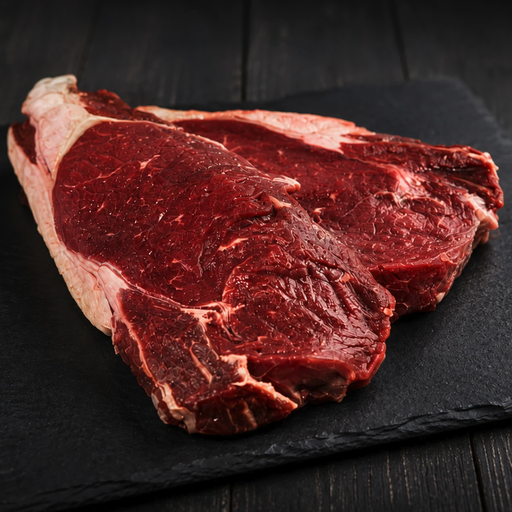
Why this fits the profile: The kilo pack is divided into four 250 g pieces. That makes portion planning simple for everyday meals and oven dishes.
The number of portions and the total weight are clearly stated. That way, you don’t end up buying a large, unclear pack.
100% beef, four portions of 250 g and storage at -18 °C or lower according to the product information.
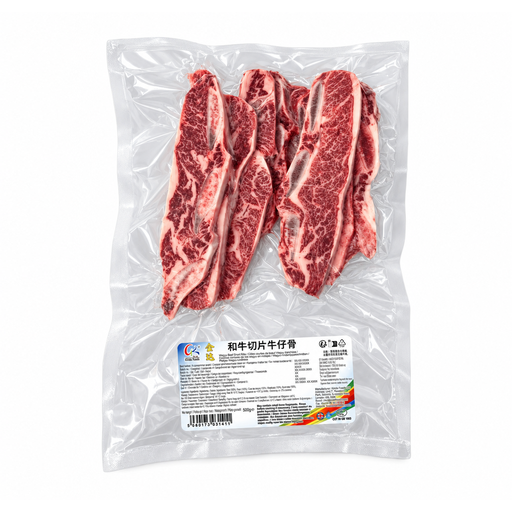
Why this fits the profile: According to the product description, these are British Wagyu short ribs with marbling, suitable for barbecue, grill and pan.
The cut, the bone and the weight are all stated. This means you can tailor your cooking to short ribs rather than relying solely on the brand name.
500 g, bone-in short ribs and a product description that mentions barbecue and pan cooking.
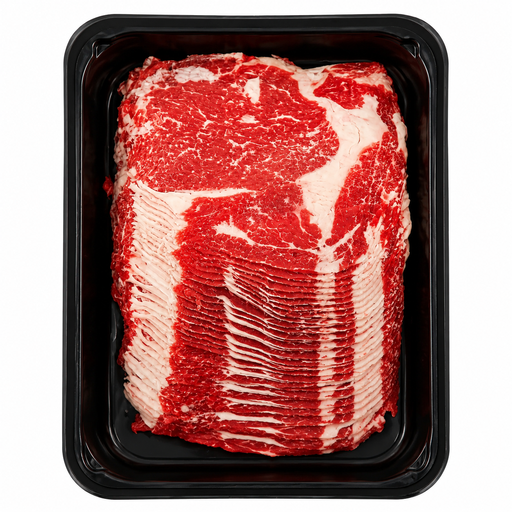
Why this fits the profile: The slices are 1.2 mm thick and specifically intended for hotpot. That minimises preparation and cooking time.
The slice thickness and intended use are clearly stated. So you don’t have to try cutting a thick steak into thin slices yourself.
500 g, 1.2 mm thinly sliced and, according to the product information, sourced from the Netherlands.
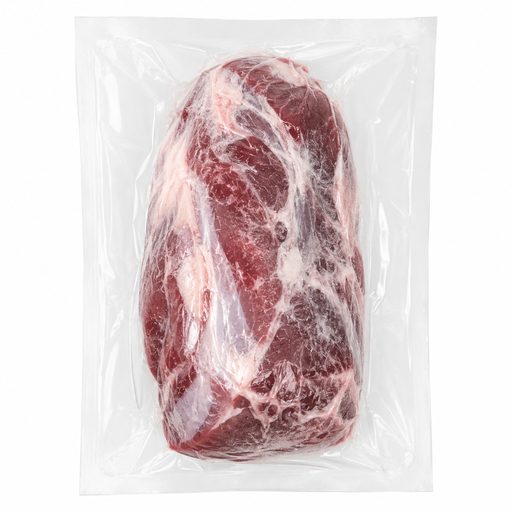
Why this fits the profile: This boneless beef shank is aimed at dishes that cook gently, such as stews and broths.
The product name clearly states it’s boneless shank. So you can deliberately choose a cut for slow cooking.
1 kg, 100% beef and, according to the product information, sourced from the Netherlands.
Take the cold chain seriously. Products that state “cold from start to finish” are, according to the product information, stored, packed and transported chilled. On arrival, the meat should still be frozen. Place it straight into the freezer and check the temperature on the label.
Defrost preferably in the fridge. Don’t leave frozen meat on the worktop for long periods. After defrosting, the general rule is: keep refrigerated, use within the stated time and do not refreeze. Wash your hands, chopping boards and knives after contact with raw meat.
For steaks, a meat thermometer can help you check the desired core temperature. For hotpot products and some sliced meats, it’s explicitly stated that they must be fully cooked. Always follow the cooking instructions on the packaging.
We’ve put together a full, up-to-date list of products that fully meet these strict selection criteria and comply with current European safety regulations.
Choose thinly sliced meat, for example ribeye or beef rolls. A thickness of around 1 to 1.2 mm cooks quickly in hot broth. Check whether the product is intended for hotpot and follow the instructions for thorough cooking.
The shelf life varies by product. Store it at the temperature stated on the packaging, usually -18 °C or lower, and check the stated use-by date. According to many product instructions, the meat should not be refrozen after defrosting.
For quick grilling, you could look at ribeye, flat iron steak or marbled short ribs. Beef neck, chuck and beef shank generally require longer cooking. Above all, check the cut, thickness and cooking method rather than just the product name.
