
Vandaag of morgen in huis

Kwaliteit gegarandeerd

Welkomstaanbiedingen ontgrendelen: GRATIS bezorging | Tot 80% korting | Gratis 30 dagen JoyPlus-proefperiode
Download de app
Finding a great steak that tastes like it came from a restaurant can be a challenge. The selection is vast, and so are the differences in quality. What should you look for when buying steak online, and how can you be sure you're getting a quality cut of meat?
This guide is designed to help you make an informed choice. Whether you're looking for a tender tenderloin for a special occasion, a flavourful ribeye for the grill, or simply want to order reliable meat for a weeknight meal, we'll highlight a few popular choices based on their specifications.
Before you make a choice, there are a few practical points that will help you select the right steak.
Not all steaks are the same. The flavour, texture, and ideal cooking method depend heavily on the part of the cow the meat comes from.
steak for the bbq or for searing in a hot pan.buying tenderloin, you're choosing pure tenderness. Tournedos are the well-known medallions cut from this part.flat iron steak is often more affordably priced than a tenderloin or ribeye but delivers a comparable quality experience.When you order meat online, you have the advantage of clear and verifiable information. Pay attention to objective specifications such as:
A reliable online butcher or supplier will be transparent about these details.
Below is a selection of steaks that are popular with home cooks and connoisseurs. We've chosen them based on their unique properties and specifications.
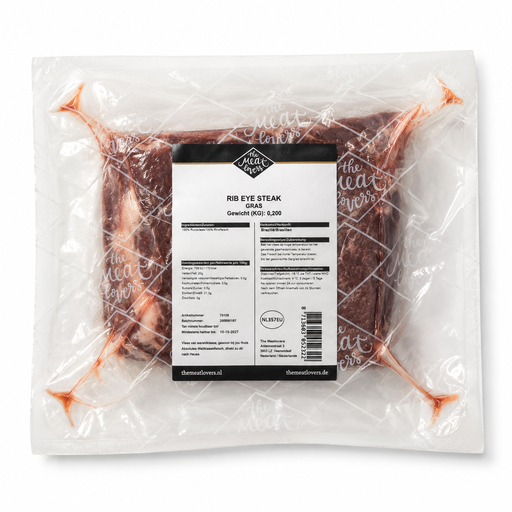
Why it stands out: This ribeye is a classic choice for those seeking a steak with a deep, rich flavour. The natural fat marbling makes the meat exceptionally juicy and tender after a short cook over high heat.
Pros:
Who is this for? For the enthusiast of a traditional, flavourful steak. An excellent choice if you want to buy ribeye for the barbecue or for a quick, luxurious meal.
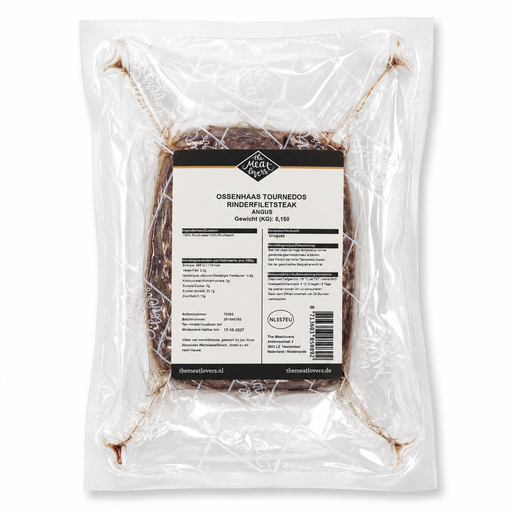
Why it stands out: This is the most tender steak you can find. Cut from the heart of the tenderloin, these tournedos offer a refined and butter-soft experience. It's a lean cut of meat, making it a popular choice for those watching their fat intake.
Pros:
Who is this for? For connoisseurs who prefer texture and tenderness over a pronounced fatty flavour. Also a great option for athletes and people following a lean, high-protein diet.
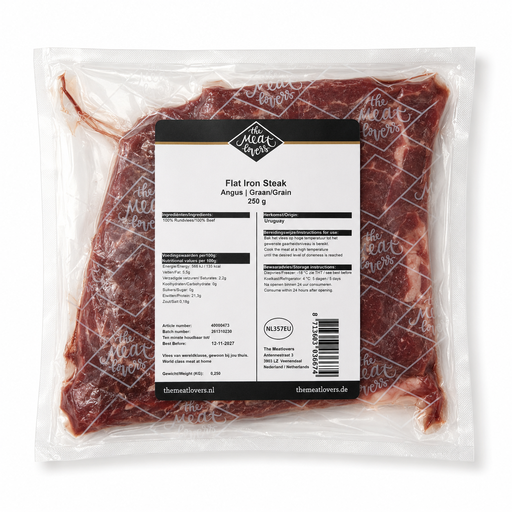
Why it stands out: The flat iron steak offers an excellent balance of tenderness, flavour, and texture. The meat has a fine grain and good marbling, which ensures a juicy and flavourful result without the high price of a tenderloin.
Pros:
Who is this for? For the adventurous home cook who wants to try a versatile and flavourful cut of meat. It's an excellent choice for those looking to explore beyond the standard steak.
If your favourite steak isn't listed, or if you're curious about other cuts of beef like sirloin, bavette, or chuck steak, ordering meat from a quality online provider gives you access to a wide range.
View our full selection and discover more options in our beef category.
The main difference lies in the fat content and texture. A ribeye has a lot of intramuscular fat (marbling), which provides a deep, rich flavour and juiciness. A tenderloin, on the other hand, is very lean and is known for its extreme tenderness and subtle flavour. The choice depends on your personal preference: flavour (ribeye) or softness (tenderloin).
Choose a provider that offers clear product information, including ingredients and nutritional values. Also, check that the meat is shipped refrigerated to ensure freshness. By choosing a specialised online butcher or a platform with a focus on quality, you increase your chances of receiving a great product.
A few basic steps can make a huge difference. Take the steak out of the refrigerator 20–30 minutes before cooking to let it come to room temperature. Pat the meat dry with a paper towel for a better sear. Heat a pan (preferably cast iron) over high heat with a little oil. Sear the steak briefly on both sides, depending on its thickness and your desired doneness. After cooking, let the steak rest under aluminium foil for 5–10 minutes before slicing. This allows the juices to redistribute, keeping the meat tender.
