
Vandaag of morgen in huis

Kwaliteit gegarandeerd

Welkomstaanbiedingen ontgrendelen: GRATIS bezorging | Tot 80% korting | Gratis 30 dagen JoyPlus-proefperiode
Download de app
A floor cleaner can speed up your cleaning routine, but not every machine is right for every home. A simple floor mop is often enough for daily dust and small spills. In a household with children, pets or lots of hard flooring, an electric floor cleaner with a mopping function can be more practical.
Pay particular attention to three common pitfalls:
First, think about the type of dirt and the floor surfaces in your home. For daily dust, hair and crumbs, a lightweight floor mop may be sufficient. If you want to vacuum and mop at the same time, you're better off looking at a hard floor cleaner or a cordless wet-dry cleaner.
A floor cleaner with a mopping function is especially handy when you regularly need to remove spilled food, mud or paw prints. A model with separate tanks for clean and dirty water prevents you from working with the same water over and over. For carpet, upholstery and car interiors, a standard floor cleaner is less suitable; a carpet cleaner or upholstery washer makes more sense for those.
A steam floor cleaner uses hot water without a standard floor cleaning solution. That can be useful for tiles and certain hard surfaces, but steam isn't automatically suitable for sealed wood, delicate coatings or heat-sensitive materials.
Check whether the manufacturer says the machine is suitable for vinyl, tiles, sealed wood or laminate. The Tineco iFLOOR 5 Breeze, for example, lists hard floors, hardwood, laminate and ceramic tiles as recommended surfaces. The instructions warn that rough surfaces may be less suitable.
Also look at the water control. A low water setting can be more practical for wooden floors, whereas tiles can generally handle more moisture. A dirty water tank prevents the collected dirt from being spread back over the floor.
A machine weighing around 4 to 5 kg can be manageable for many users, but you'll notice the weight when turning, going up steps and using it for longer periods. A cordless floor cleaner gives you more freedom of movement, but check the maximum run time and charging time.
For low furniture, the height when lying flat is important. According to the product information, the Tineco Floor One Stretch S6 has a 180° flat design and a lying height of 13 cm. That makes this model designed for cleaning under deeper furniture, but measure the space under your own cupboard or sofa beforehand.
Self-cleaning is practical, but it's no substitute for daily maintenance. Empty the dirty water tank after use, rinse the parts and let filters dry completely. Also check whether rollers, filters and cleaning solution are available separately.
Only use the recommended floor cleaning solution. On some machines, foaming all-purpose cleaner can strain the motor or sensors. A standard floor cleaner isn't automatically suitable for an electric wet-dry cleaner.
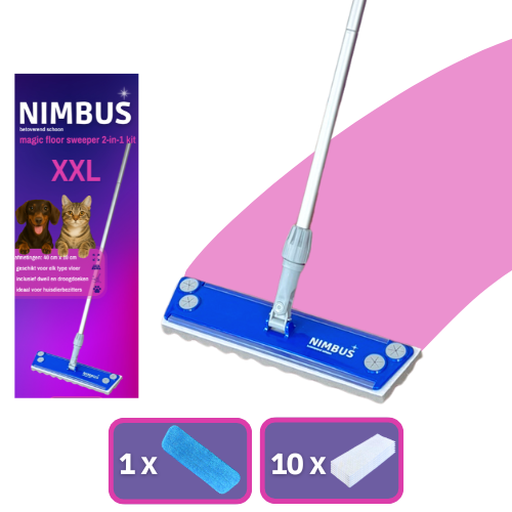
Why it fits this profile: For those who mainly want to remove dust, hair and crumbs without buying an electrical appliance. The lightweight floor mop is suitable for dry and damp cleaning.
No unnecessary battery, motor or complicated maintenance. Use a dry cloth for everyday dirt and a damp pad for tougher spots.
XXL head measuring 42 × 14 cm, flexible design, 10 dry cloths and one wet floor pad included.
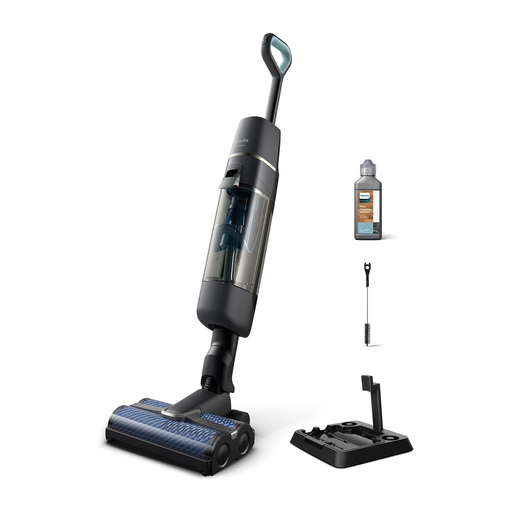
Why it fits this profile: For households that want to combine vacuuming and mopping in one motion and value multiple settings.
The separate clean and dirty water tanks and automatic brush cleaning make maintenance more straightforward. Tanks still need to be emptied and rinsed after use.
Three cleaning modes, 0.67 litre clean water tank, LCD display and a stated run time of up to 25 minutes.
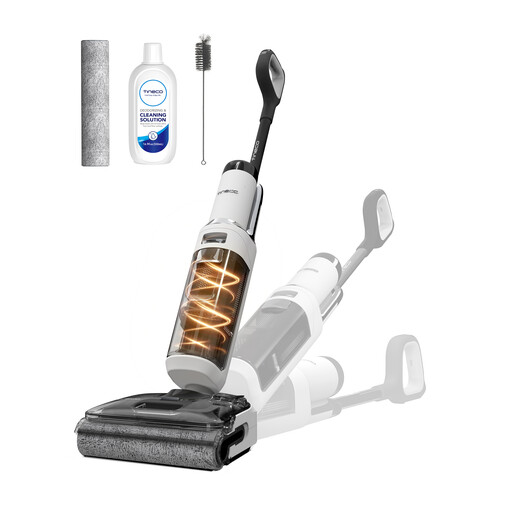
Why it fits this profile: For families with hard floors who also want to clean under low furniture and are looking for a cordless machine.
The flat design tackles the problem of limited space under furniture. Only use this model on indoor hard floors such as vinyl, tiles and sealed wood.
180° flat design, 13 cm lying height, three-sided edge cleaning and self-cleaning with a drying function according to the product description.
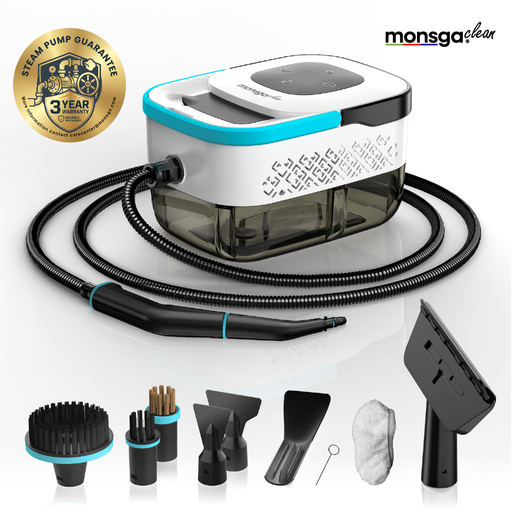
Why it fits this profile: For those who want to clean not only floors but also tiles, kitchen surfaces and other suitable areas of the home with steam.
The manual gives clear limitations: use only clean water and do not apply steam to untreated wood, delicate fabrics or heat-sensitive plastic.
1.6 litre tank, six steam settings and a stated heat-up time of 15 seconds. Allow the nozzle to cool down before changing accessories.
We've put together a full, up-to-date list of products that fully meet these strict selection criteria and comply with current European safety regulations.
That depends on the model and how you use it. An electric floor cleaner uses electricity, water and sometimes a specific cleaning solution. A standard mop has lower upfront costs but requires more manual effort. So don't just compare the price of the machine; also factor in filters, rollers, battery and cleaning fluid.
Empty the dirty water tank after every cleaning session and rinse the parts according to the manual. Let filters and rollers dry completely before putting them back. With heavy use, for example in a home with pets, more frequent cleaning may be needed to prevent odours and hair build-up.
No. Only use the solution recommended for the machine or in the manual. A foaming all-purpose cleaner can cause faults in a wet-dry vacuum cleaner. With a steam cleaner, generally only clean water should go in the tank, unless the manufacturer explicitly states otherwise.
