
Vandaag of morgen in huis

Kwaliteit gegarandeerd

Welkomstaanbiedingen ontgrendelen: GRATIS bezorging | Tot 80% korting | Gratis 30 dagen JoyPlus-proefperiode
Download de app
A floor cleaner can vacuum, mop, pick up liquids or even use steam. That sounds convenient, but not every appliance is suitable for every floor or cleaning task. For example, a wet and dry vacuum for tiles is not automatically suitable for carpet, parquet or your car interior.
The biggest buying mistakes usually stem from three misunderstandings:
So first decide what you want to clean every day: hard floors, spilt liquids, carpet, furniture, pet hair or several rooms at once.
For vinyl, ceramic tiles, laminate and sealed wood, a vacuum floor cleaner is practical. The appliance picks up dry dirt and cleans the floor with a damp roller. Pay attention to the manufacturer’s recommendations. According to the product information, the Tineco iFLOOR 5 Breeze Complete is intended for indoor use on surfaces including vinyl, tiles and sealed wood. The appliance is not intended for rough surfaces or certain hazardous liquids.
Also check whether the brush can reach along skirting boards. The Tineco is listed as having an edge-cleaning distance of less than 0.5 cm. This helps leave less dirt along the edges, although the actual result also depends on the shape of your skirting boards and floor.
A wet and dry vacuum is useful for spilt drinks, mud by the back door or dirt around the dining table. Do not just look for the term “wet & dry”; check:
A standard cordless stick vacuum is often intended solely for dry dirt. The Deerma DX700S, for example, explicitly states that liquids must not be vacuumed up.
For a carpet cleaner, spraying, brushing and suction are more important than simply having a powerful motor. Check the capacity of the clean- and dirty-water tanks, the hose or cable, and the nozzles supplied. An appliance designed for carpets and upholstery is not always practical for large floor areas.
For small areas, crumbs and pet hair, a compact handheld vacuum may be sufficient. Check the runtime, dust container capacity and brush. A rotating turbo brush can help remove hair from cushions and car seats, but clear any built-up hair from the brush regularly.
Read the surface recommendations in the product information. “Hard floors”, for example, may refer to tiles, vinyl and sealed wood, but not untreated wood or delicate grouting. Only use a steam floor cleaner if the manufacturer states that the floor is suitable for steam cleaning. High temperatures and moisture can cause problems with certain types of laminate, glued joints and wooden floors.
A cordless floor cleaner gives you freedom of movement, but its operating time is limited. Check whether the stated runtime applies to the low or high setting. Runtime is often shorter when cleaning intensively.
A corded appliance keeps working as long as a power socket is within reach. So check the cable length and practical operating range. According to the product specifications, the Shark HydroVac WD100EU has a 25-foot cable, approximately 7.6 metres. The Hoover HS500 lists a 6.5-metre operating range.
A self-cleaning roller is useful after mopping, but you should still empty the dirty-water tank afterwards and allow the parts to dry. Check in advance whether rollers, filters and cleaning solutions are available. For the BISSELL CrossWave HF3 Brush Roll, the manufacturer recommends replacement every six months to achieve the desired cleaning results. This is a recommendation from BISSELL, not a universal service life for every household.
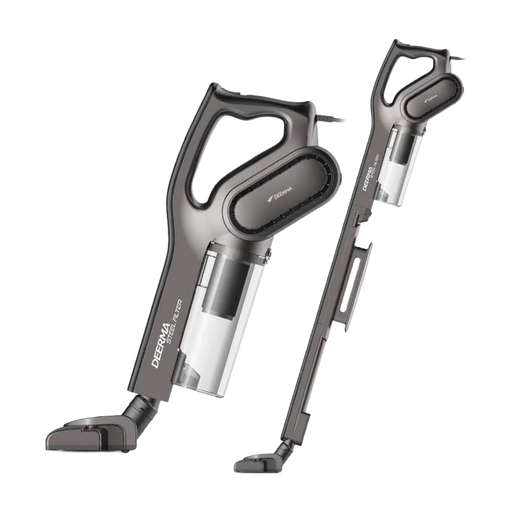
Why it suits this profile: A straightforward stick vacuum for dry dirt and everyday use, with no battery to charge.
The product information makes it clear that this model does not pick up liquids. This means you will not accidentally buy it as a wet and dry cleaner.
600 W, 15 kPa according to the specifications, a 0.8-litre dust container and a 4.5-metre cable.
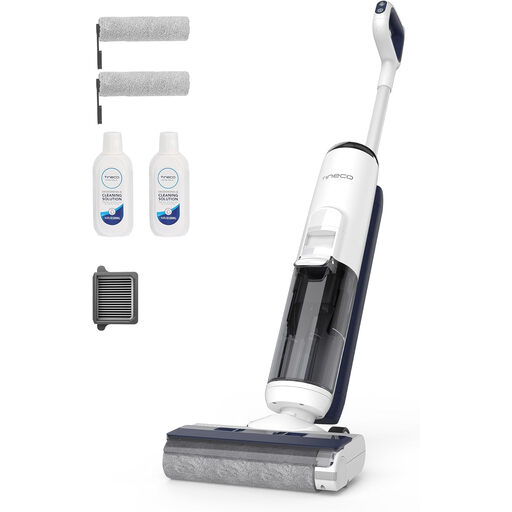
Why it suits this profile: Designed for households with mainly hard floors that want to tackle dust and moisture in a single pass.
The product description lists specific floor limitations and prohibits flammable liquids, sharp objects and chemicals, among other things.
Cordless design, a weight of 4.3 kg, self-cleaning, two additional rollers and cleaning solution according to the product information.
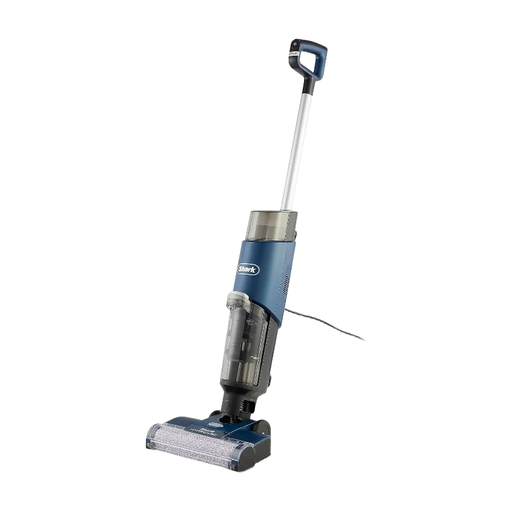
Why it suits this profile: Suitable for anyone who regularly wants to clean larger hard surfaces using a corded appliance.
The cable means you are not dependent on a limited battery during a longer cleaning session. The trade-off is that you need a power socket.
According to the product information, the appliance combines vacuuming and washing, with a 25-foot cable and a self-cleaning mode.
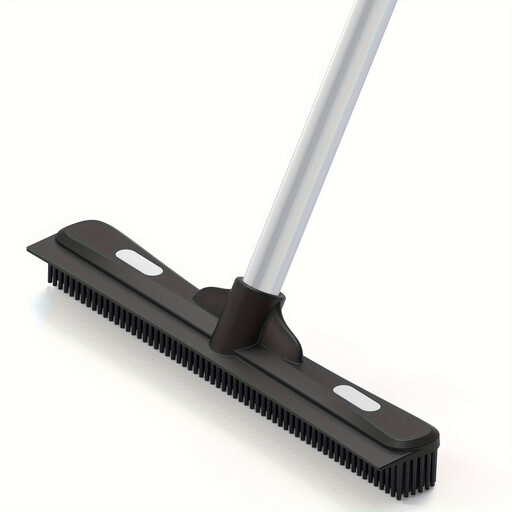
Why it suits this profile: A manual solution for pet hair on carpets and hard floors, as well as small liquid spills on smooth surfaces.
You do not pay for a motor or battery if you mainly want to collect hair and fluff manually. The rubber head does need to be rinsed and dried after use.
Rubber cleaning head, built-in squeegee edge and adjustable 61-inch handle according to the product description.
We have put together a complete, up-to-date list of products that fully meet these strict selection criteria and the applicable European safety regulations.
It varies by model. An appliance for hard floors is not automatically suitable for carpet. Check whether the manufacturer lists carpet or rugs as recommended surfaces. For deeper textile cleaning, a separate carpet cleaner with spray and suction functions is often more suitable.
In addition to the purchase price, you may incur costs for cleaning solution, replacement rollers, filters and electricity. A cordless model uses a battery, while a corded model needs electricity during use. Only use cleaning solutions that the instructions state are suitable, and measure them according to the recommended dosage.
Its service life depends on use, storage and maintenance. Empty the tanks after every wet cleaning session, rinse the parts according to the instructions and allow filters and rollers to dry completely. Before buying, check whether important parts are available separately. This helps prevent minor wear and tear from making the entire appliance unusable.
