
Vandaag of morgen in huis

Kwaliteit gegarandeerd

Welkomstaanbiedingen ontgrendelen: GRATIS bezorging | Tot 80% korting | Gratis 30 dagen JoyPlus-proefperiode
Download de app
A facial cleanser might seem simple: apply, rinse, and you're done. However, the daily experience can vary dramatically from one formula to another. A face wash that's too harsh can leave your skin feeling tight, while a milder cleanser might not effectively remove make-up or sun cream. Likewise, terms like “pore-cleansing”, “hydrating”, and “for all skin types” only become meaningful when you look at the ingredients, instructions for use, and texture.
This guide will help you select a suitable face wash, cleansing gel, cleansing foam, or make-up remover. Our recommendations are based on verifiable product information, such as volume, texture, listed ingredients, and usage advice.
A 'clean' feeling after washing doesn't automatically mean a product is suitable for daily use. Alcohol, perfume, menthol, or highly foaming ingredients can be uncomfortable for some users. That's why it's important to check the full ingredients list and pay attention to how your own skin reacts.
A cleanser for sensitive skin doesn't have to be completely foam-free, but a short ingredients list and clear warnings make it easier to compare products. Stop using the product if you experience redness, itching, or a burning sensation.
Brands sometimes describe a cleanser as reducing blemishes, supporting the skin barrier, or making the complexion appear more even. View this as information from the product description, not a guaranteed result. A brand may mention certain benefits based on its own research, but your skin might react differently.
It's wise to be extra cautious with products containing salicylic acid or other acids. A salicylic acid cleanser is not a medical treatment and does not replace advice from a doctor or dermatologist.
A foaming face wash works differently from a cleansing oil or micellar cleansing water. If you use foundation or waterproof make-up every day, you'll often find a first cleansing step with an oil or micellar water more effective. If you mainly want to remove sweat, sebum, and dust, you might find a gel or foam cleanser more practical.
Also, pay attention to the volume. A 400 ml bottle might seem like good value, but it's less convenient if you use only a small amount of product or frequently change your routine. A smaller size, on the other hand, is useful for trying out a new formula first.
Use your skin type as a starting point, not a strict rule:
“Suitable for all skin types” is a broad product claim. You should also look at the ingredients, fragrances, warnings, and recommended frequency of use.
A low-pH cleanser is formulated with an acidity level that is closer to the skin's natural environment. However, the pH value alone doesn't determine whether a product will feel pleasant on your skin. The cleansing agents (surfactants) used, any perfume, and the length of time the product is in contact with your skin also play a role.
Look out for these common ingredients:
Always check the packaging for the current INCI list, expiry date, batch information, and usage warnings. This aligns with the principles of transparent purchasing under European cosmetics regulations.
For a normal daily cleanse, wet your face and hands, gently massage in a small amount of product, and rinse off with lukewarm water. There's usually no need to rub harshly or massage for a long time.
When wearing make-up or sun cream, a double cleanse may be suitable:
A cleansing oil usually works best on a dry face with dry hands. Micellar water is typically applied with a cotton pad. Follow the instructions on the packaging, as not every formula is used in the same way.
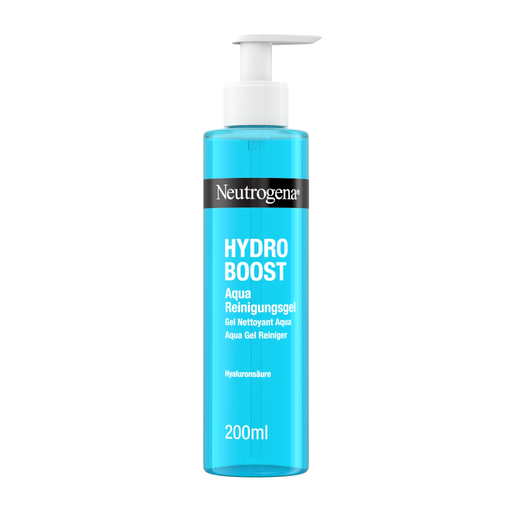
Why it suits this profile: The gel texture and 200 ml volume make this a straightforward choice for anyone looking for a simple face wash for daily use.
The product description mentions an oil-free formula with glycerine and hyaluronic acid. Check the current packaging if you want to avoid perfume or specific ingredients.
Face gel, 200 ml, designed to remove dirt, make-up, and sebum.
We have compiled a complete, up-to-date list of products that fully meet these strict selection criteria and comply with current European safety regulations.
For many people, cleansing once in the evening is enough. This removes dirt, sebum, sun cream, and make-up. A gentle cleanse in the morning can also be pleasant, but it depends on your skin type and routine. If you experience dryness or irritation, you can reduce the frequency.
Check the expiry date and the period-after-opening (PAO) symbol on the packaging. This symbol indicates how many months the product can be used for after it has been opened. Store the cleanser in a cool, dry place, close the packaging properly, and do not use a product if its smell, colour, or texture has noticeably changed.
That depends on the volume, price, and the amount you use each time. A 150 ml product can last from several weeks to a few months with daily use. A 400 ml bottle of micellar water might last longer, but your consumption will increase if you use a lot of cotton pads. Therefore, you should compare not only the retail price but also the volume and intended use.
