
Same-day & Next-day Delivery

Quality Guaranteed

Unlock Your Welcome Offers: FREE Delivery | Up to 80% OFF | Free 30-day JoyPlus trial
Download the APP
A facial cleanser seems simple enough: apply, rinse, and you’re done. Yet many people end up buying a product that cleanses too aggressively, is barely suited to their skin type, or relies heavily on marketing jargon. A dry feeling after washing, tightness, or oil that quickly returns are all signs that your choice isn’t quite right.
When you buy a facial cleanser, don’t just focus on terms like “deep cleansing” or “pore cleanser”. Instead, look closely at the formula, its intended use, and the warnings on the packaging.
Lots of foam gives a fresh sensation, but on its own it says little about how gentle a product is. A foaming cleanser with strong cleansing agents, fragrance or alcohol can feel uncomfortable for some skin types. A sensitive or dry skin in particular may feel tight or rough afterwards.
A gentle facial cleanser doesn’t have to produce little foam. What matters more are the full ingredients list, the recommended frequency of use, and how your skin feels after rinsing.
A pore cannot be permanently “closed” by a cleanser. A face wash can, however, remove dirt, make-up residue and excess oil from the skin’s surface. Products with scrub particles or exfoliating ingredients need extra care: using them more often isn’t automatically better.
For oily or combination skin, a targeted face wash can be pleasant, but daily harsh scrubbing can actually cause an uncomfortable skin sensation.
A cleanser is a rinse-off product. According to the product descriptions of some brands, ingredients such as salicylic acid, tea tree oil or clay can help cleanse oily or blemish-prone skin. That is no guarantee of a specific result and does not replace advice from a doctor or dermatologist.
Also check the warnings, allergens and expiry information on the packaging. Stop using the product if you experience redness, itching or irritation.
Do you mainly use a cleanser in the morning, after exercise, or as the first step in an evening routine? Then a simple gel or foam may be sufficient. For dry skin, a hydrating facial cleanser with glycerine or other moisture-binding ingredients is often a better fit than a strongly degreasing formula.
For oily skin, you can look for a cleanser that, according to the product information, removes excess oil. A cleanser for acne-prone skin sometimes contains salicylic acid, betaine salicylate or other exfoliating ingredients. Start gently if your skin reacts sensitively.
A low pH cleanser is formulated to be slightly acidic. The Low pH Good Morning products, for example, state a low pH and contain mild cleansing agents. This makes them interesting for anyone looking for a fresh cleanse without a strong tight feeling.
Bear in mind: “low pH” does not automatically mean that every product is suitable for every skin type. Tea tree oil, fragrance or other ingredients can cause sensitivity in some users.
Compare the volume: many products in this selection contain between 120 and 200 ml or grams. A 50 ml pack can be handy for travel or to try out a formula first.
Also look at:
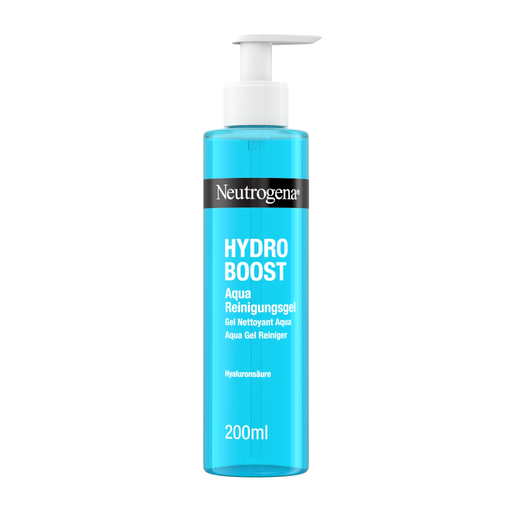
Why this fits the profile: The 200 ml volume is practical for daily use in the morning and evening. According to the product description, the gel is designed to remove make-up, dirt and oil.
The product information mentions glycerine and hyaluronic acid and describes the formula as oil-free. Always check the current ingredients list on the packaging.
200 ml volume; gel texture; designed for daily use and various skin types according to the product description.
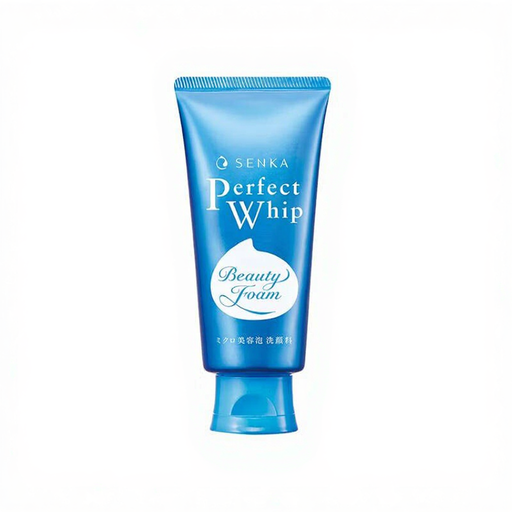
Why this fits the profile: This Japanese facial cleanser is designed for a rich, airy foam texture. The product information mentions hyaluronic acid, silk extract and daily use.
The product details list the ingredients and warn, among other things, about eye contact and use on irritated skin. This allows you to check the formula beforehand.
120 g; rich foam formula; contains sodium hyaluronate, sodium acetylated hyaluronate and hydrolysed silk according to the ingredients list.

Why this fits the profile: This Korean facial cleanser is aimed at combination, oily or acne-prone skin. The formula lists 0.5% salicylic acid, tea tree oil and willow bark water.
The composition and potential allergens are listed. Build up use gradually and perform a patch test on a small area of skin first, as the product information advises.
150 ml; 0.5% salicylic acid according to the product data; designed to cleanse excess oil and impurities.
We’ve put together a full, up-to-date list of products that fully meet these strict selection criteria and comply with current European safety regulations.
If you wear make-up or water-resistant sunscreen, you may need to use a suitable make-up remover or oil cleanser first. A single face wash doesn’t always remove every product completely.
For many adults, once in the evening is enough, especially to remove dirt, oil and product residue. In the morning, you can use water or a gentle facial cleanser, depending on your skin type. Follow the label and reduce frequency if you feel tightness or irritation.
No. A salicylic acid cleanser is mainly of interest to people who want to tackle excess oil or clogged pores, but the ingredient can cause dryness or irritation in some users. Check the concentration, usage instructions and warnings. If skin problems persist, it’s wise to seek advice from a dermatologist.
That depends on the volume, dosage and frequency of use. With a 150 ml or gram pack used daily, you can generally go longer than with a 50 ml mini, but the exact duration varies per product. A small amount is usually enough; more foam doesn’t automatically mean a more thorough cleanse.
