
Same-day & Next-day Delivery

Quality Guaranteed

Unlock Your Welcome Offers: FREE Delivery | Up to 80% OFF | Free 30-day JoyPlus trial
Download the APP
Spots, blackheads and a shiny T-zone do not automatically call for an aggressive cleanser. An acne facial cleanser should remove dirt and excess sebum without leaving your skin feeling tight or irritated. The right choice depends on your skin type, the ingredients and how often you want to use the product.
Marketing can sometimes make that choice unnecessarily difficult. Words such as “medicinal”, “pore cleansing” or “miracle” say little by themselves about how well a formula suits your skin. Start by checking the verifiable information on the label and in the product description.
A foaming face wash for spots can leave your skin feeling pleasantly clean, but a tight sensation after washing is not a reliable sign that your skin is being properly cared for. A cleanser that is too strong can become uncomfortable with daily use, especially if you have sensitive or combination skin.
Pay attention to the directions for use. Some formulas are intended for daily use, while an acid scrub should be used sparingly. For example, the NIVEA DERMA Skin Clear Face Scrub states a maximum of two to three times a week.
Salicylic acid is often mentioned in connection with a salicylic acid facial cleanser and a pore cleanser. However, the concentration, the rest of the formula and the recommended frequency of use are at least as important. A product containing salicylic acid is not automatically suitable for every skin type.
According to the product description, the Salicylic Acid Daily Gentle Cleanser contains 0.5% salicylic acid. The mini version does not state the same percentage in its short product description, so always check the packaging and ingredients list for the variant you order.
A physical scrub with a grainy texture serves a different purpose from a gentle gel or foaming cleanser. Using both too often can make your skin feel tight or sensitive more quickly. Choose one main cleanser for daily use and only add an exfoliating product if your skin can tolerate it.
Salicylic acid is often linked in product descriptions to cleansing pores and removing dead skin cells. Use the formula according to the label and gradually build up the frequency. Products containing AHA, BHA or PHA can increase sensitivity to sunlight; Some By Mi therefore recommends sun protection and reduced sun exposure in its safety information.
Niacinamide is included in the NIVEA DERMA Skin Clear Cleansing Gel and Face Scrub, among other products. According to the product description, the ingredient is used in formulas for oily, blemish-prone skin. Treat this as a product specification, not a guaranteed result.
Glycerine and hydrating ingredients may be relevant if your skin quickly feels dry after cleansing. The Beauty of Joseon Green Plum Refreshing Cleanser contains glycerine and plant extracts, among other ingredients, and is described as a daily gel cleanser for different skin types.
A pump bottle is convenient for a regular morning and evening routine. A tube is compact and suitable for a wash bag. Travel sizes of 50 ml, such as Some By Mi minis, are practical for trying a formula first or taking it in your hand luggage. However, always check the current contents, ingredients and expiry information on the packaging.
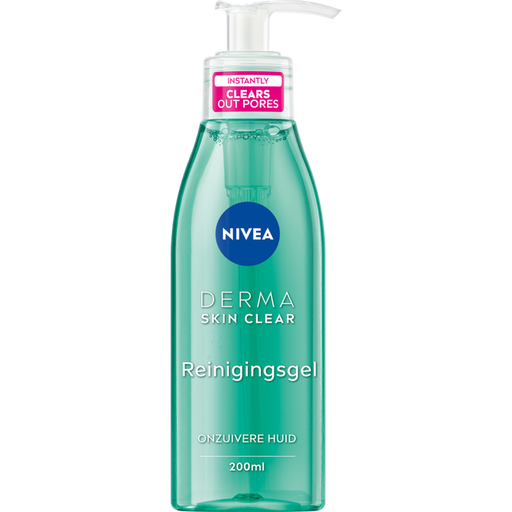
Why it suits this profile: A 150 ml daily gel cleanser for anyone who wants to start simply with a formula for oily, blemish-prone skin.
The product description states that it is suitable for daily use, has a fragrance-free formula and includes clear warnings concerning salicylic acid.
150 ml; salicylic acid and niacinamide are listed in the ingredients.

Why it suits this profile: A lightweight 100 ml gel for anyone looking for a Korean acne facial cleanser without salicylic acid as its key ingredient.
The formula is designed for daily cleansing and, according to the product information, contains no fragrance or essential oils.
Gel texture; 100 ml; the product information states that it is hypoallergenic and suitable for all skin types.

Why it suits this profile: For anyone specifically looking for a salicylic acid facial cleanser for oily, combination or blemish-prone skin.
The product information gives a specific concentration of 0.5% salicylic acid and recommends a patch test as a precaution.
150 ml; contains glycerine, tea tree oil and willow bark water according to the ingredients list.
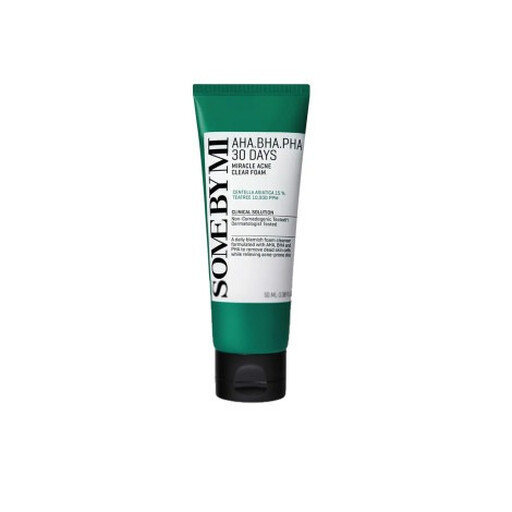
Why it suits this profile: The 50 ml size is convenient for travelling or for trying a formula containing several acids on a small scale first.
The product information states 5,000 ppm salicylic acid and warns about AHA, BHA, PHA and increased sensitivity to sunlight.
Mini size; contains AHA, BHA, PHA and cica according to the product description.
We have put together a complete, up-to-date list of products that fully meet these strict selection criteria and the applicable European safety regulations.
If you are using an active formula, consider starting less often than the maximum recommended frequency. Stop if you experience obvious irritation and check the ingredients if you are sensitive to fragrance, tea tree oil or other ingredients. For persistent or severe skin problems, seeking advice from a GP or dermatologist is wiser than continually combining more cleansers.
That depends on the product and your skin type. According to their directions for use, some gels can be used daily, while a salicylic acid scrub is recommended just two to three times a week. Follow the label and reduce the frequency if irritation occurs.
This depends on the amount of product and how much you use each time you wash. With economical use, a 150 ml product will generally last longer than a 50 ml travel size. Also check the expiry information on the packaging and close a tube or pump bottle properly.
Not always. A daily facial cleanser removes dirt, sebum and product residue. An exfoliating pore cleanser can be an additional step, but do not combine several acids or scrubs without a clear reason. A simple routine is often easier to manage and makes it easier to see how your skin responds.
