
Vandaag of morgen in huis

Kwaliteit gegarandeerd

Welkomstaanbiedingen ontgrendelen: GRATIS bezorging | Tot 80% korting | Gratis 30 dagen JoyPlus-proefperiode
Download de app
A facial cleansing gel might seem straightforward: apply, rinse, and you're done. Yet formulas vary significantly. The wrong facial cleanser can leave your skin feeling tight, overly shiny, or irritated. You might also end up paying for buzzwords like "restorative", "natural" or "pore-cleansing" without really knowing what the formula actually contains.
That's why it's important to focus on the product information, ingredients list, and how you'll use it. This way, you can choose a facial cleansing gel that suits your skin type and daily routine.
A low pH facial cleanser typically has an acidity level closer to that of your skin. That can feel pleasant, but a low pH doesn't tell you everything. The cleansing agents used, as well as fragrance, essential oils and preservatives, all affect how a product feels on your skin.
So a formula with a pH of 5.0 to 5.5 isn't automatically right for everyone. Always check the full ingredients list, especially if you have sensitive skin.
A hydrating facial cleanser often contains ingredients like glycerine, panthenol, betaine or hyaluronic acid. These can contribute to a comfortable feeling during the brief contact with your skin. However, a cleanser is rinsed off and doesn't replace a moisturiser.
Look instead at the combination of gentle cleansers and moisture-binding ingredients. A long list of extracts on its own isn't proof of better performance.
A gel cleanser is suitable for dirt, sweat and excess sebum. Waterproof make-up, long-lasting sunscreen and some primers may require a first cleansing step. For example, use a make-up remover or cleansing oil first, followed by a gentle facial cleanser.
A brand's product description may claim that a cleanser removes make-up or SPF. Treat this as a claim from the brand, not a universal result. The outcome also depends on how much product you use and the type of make-up or SPF.
Look for mild surfactants, such as amino acid or coconut-based cleansers. Examples include sodium cocoyl glycinate, sodium lauroyl glutamate, coco-betaine and disodium cocoamphodiacetate. This tells you not only how strong the cleansing is, but also how the gel might feel after rinsing.
A very clean or tight feeling isn't necessarily desirable. For dry or sensitive skin, a gentle, non-drying formula can be more practical.
A low pH facial cleanser around pH 5 to 6 can be a logical choice when you're looking for a gentle daily cleanse. For oily or combination skin, a gel texture can feel pleasant, while dry skin may benefit more from glycerine, panthenol, ceramides or hyaluronic acid.
Bear in mind that "for all skin types" is a general product classification. Your own tolerance for fragrance, alcohol, essential oils and certain plant extracts remains important.
Compare the size: the products in this overview range from 50 to 200 ml. A small pack is handy for trying something out or taking with you, while 150 or 200 ml is often more suitable for daily use.
Use a facial cleansing gel with lukewarm water. Massage without rubbing hard and pat your skin dry. When trying a new formula, a patch test is wise. Stop if irritation occurs and consult a doctor if symptoms persist.
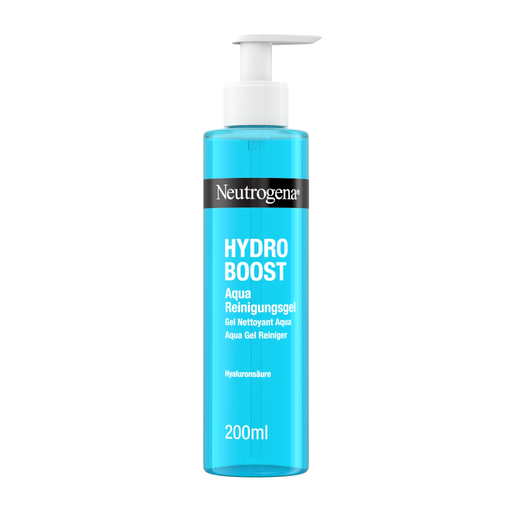
Why this fits the profile: The 200 ml size is practical for a regular morning and evening routine. The product information mentions glycerine and hyaluronic acid and positions the gel for all skin types.
The ingredients list is easier to assess than general terms like "intensive cleansing". Do check whether your skin tolerates fragrance or other components well.
200 ml size; gel texture; glycerine and hyaluronic acid according to the product information.
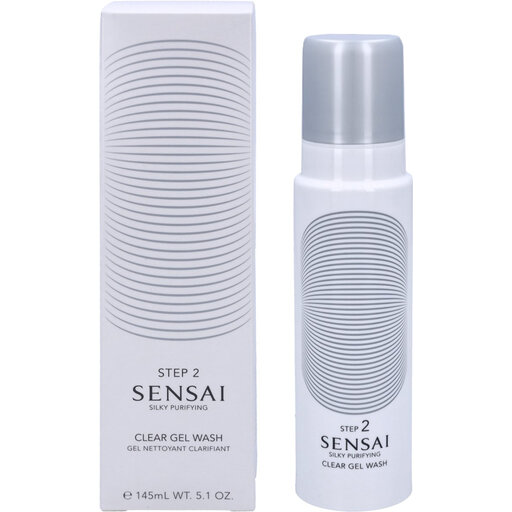
Why this fits the profile: The pump bottle of 145 ml suits a well-cared-for routine. The product description mentions use for all skin types and a gel texture.
The ingredients list does mention fragrance, alcohol, limonene and linalool. Check these points in advance if you react sensitively to fragrances.
145 ml; pump bottle; suitable for all skin types according to the product information.
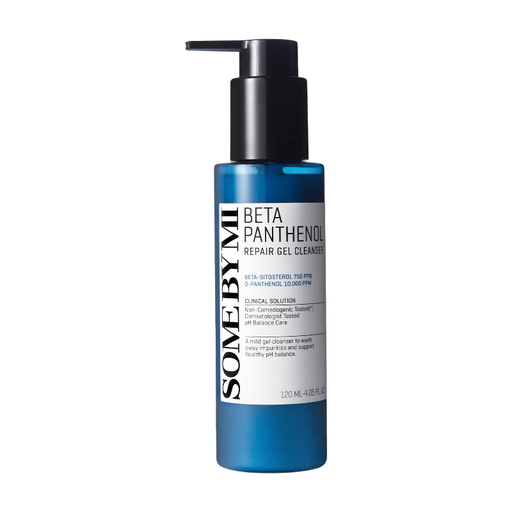
Why this fits the profile: The product information mentions panthenol, glycerine and a low pH formula. This makes this gel interesting for anyone who doesn't want a tight feeling after washing.
The formula lists several mild cleansers and moisture-binding ingredients. Still check the full INCI list if you are allergic to plant extracts or fragrances.
120 ml; panthenol listed in the ingredients; gel texture for daily use.
We've put together a full, up-to-date list of products that fully meet these strict selection criteria and comply with current European safety regulations.
Yes, many gels are designed for daily cleansing in the morning and evening. Use lukewarm water and massage briefly without applying pressure. If your skin feels tight or stinging for a long time after washing, choose a milder formula or use the gel less often.
Check the expiry date on the packaging and the symbol such as "12M". This means the product can usually be used for twelve months after opening, unless the packaging states otherwise. Store the gel closed, in a dry place away from direct sunlight.
That depends on your routine. For light daily dirt, one facial cleanser can be enough. If you use waterproof make-up or a stubborn SPF, an oil, balm or make-up remover first can be helpful. Then rinse afterwards with a gentle facial cleanser.
