
Livraison le jour même et le lendemain

Qualité garantie

Débloquez vos offres de bienvenue: Livraison GRATUITE | Jusqu'à -80 % | 30 jours d'essai gratuits à JoyPlus
Téléchargez l'application
If you experience tightness, redness or itching, finding the right cream for sensitive skin can be a frustrating search. The shelves are filled with products promising miracles, but they often lead to disappointment or even worsen symptoms. As a Product Recommendation Officer at Joybuy, I see every day how people struggle to see through marketing claims. Let's cut through the noise and focus on what really matters.
Before you make a purchase, it's important to recognise a few common pitfalls:
To prevent making the wrong choice, it's better to focus on a few specific features. These objective criteria will help you choose a product that actually does what it's supposed to do: soothe and protect.
The key to good skincare for sensitive skin lies in simplicity. A short ingredient list is often a good sign. Pay attention to the following:
Your skin's needs differ during the day and at night.
Not all sensitive skin is the same. The texture of a cream is crucial for comfort.
Based on these criteria, we have selected a number of products that fit specific user profiles.
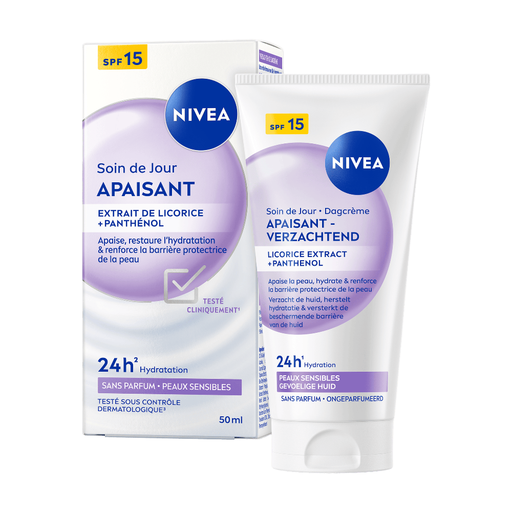
Why This Fits Their Persona: You're looking for a reliable, no-nonsense day cream that hydrates, soothes, and protects without a long, complicated ingredient list. Ideal for daily use.
This product avoids the pitfall of excess. It is fragrance-free and pH-neutral, focusing on proven soothing ingredients like licorice extract and panthenol.
Contains SPF 15 for basic sun protection. The formula is designed to reduce the three signs of sensitive skin: redness, dryness, and tightness.
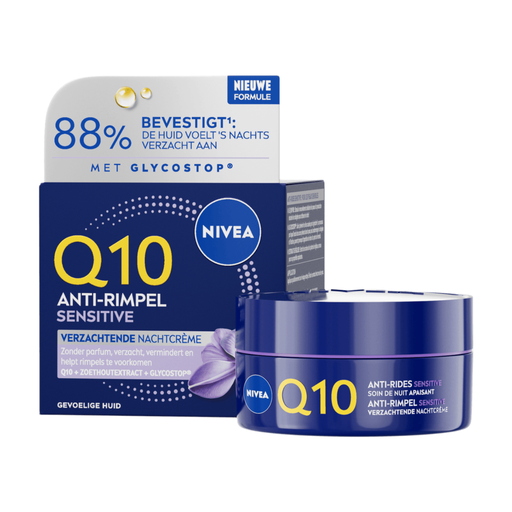
Why This Fits Their Persona: Your skin feels stressed during the day, and you're looking for a soothing cream that helps it recover overnight, reduces redness, and simultaneously addresses the first signs of ageing.
This cream is fragrance-free and specially developed for sensitive skin. It avoids the "natural" pitfall by opting for a proven soothing ingredient: licorice extract.
Combines skin-identical Q10 with licorice extract. According to NIVEA, this helps to intensively regenerate the skin overnight and reduce redness, dryness, and tightness.
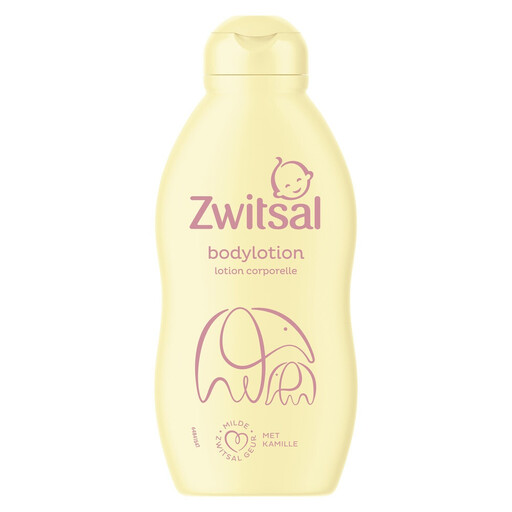
Why This Fits Their Persona: You're looking for a gentle, affordable body lotion for sensitive skin that is suitable for the whole family, including the little ones. Gentleness and reliability are paramount.
This product was developed for the most delicate skin: a baby's. It is dermatologically tested and free of colourants, thus avoiding the pitfall of unnecessary additives.
Contains skin-identical ingredients that support the skin's protective function. The formula hydrates and protects, keeping the skin soft and supple.
We have compiled a complete, up-to-date list of products that meet these strict selection criteria and local regulations.
How do I know if I truly have sensitive skin? Sensitive skin reacts quickly to external factors, such as cosmetics, weather changes or stress. Common characteristics include redness, itching, a burning or tight feeling, and the rapid development of spots or bumps after using a new product.
Can I use a face cream for sensitive skin on my body? Technically, you can, but it's not very practical or cost-effective. A body lotion for sensitive skin is specially formulated for larger areas, often has a thinner texture, and comes in larger packaging, making it much more economical to use.
How long does it take to see results from a new soothing cream? Give your skin time to adjust. It can take two to four weeks to see a clear improvement, especially if your goal is to restore the skin barrier. Always introduce only one new product at a time into your routine, so you know exactly how your skin reacts to it.
