
Vandaag of morgen in huis

Kwaliteit gegarandeerd

Welkomstaanbiedingen ontgrendelen: GRATIS bezorging | Tot 80% korting | Gratis 30 dagen JoyPlus-proefperiode
Download de app
Body lotion may seem like a simple product, but formulas can vary considerably. A lightweight lotion can feel pleasant after showering, while a richer body cream may be better suited to tight or very dry skin. Fragrance, packaging and the areas of the body you want to treat also affect how well a product works for you in practice.
Pay particular attention to these three common pitfalls:
When looking for a body lotion for dry skin, look for ingredients such as glycerine, panthenol, shea butter, oils or other soothing ingredients. Glycerine helps the upper layers of the skin retain moisture. A richer texture can feel particularly comfortable on shins, elbows and knees.
If you need a lotion for very dry skin, applying it every day is advisable, preferably after showering, once your skin is clean and thoroughly dried. Apply the lotion gently without rubbing too vigorously. If a product remains sticky, a lighter formula may be more practical during the day.
If you are looking for a body lotion for sensitive skin, you could start with a fragrance-free body lotion without colourants. Also check whether alcohol, essential oils or known fragrance allergens appear in the ingredients list. “Natural” does not automatically mean that a formula will be gentle for everyone.
When trying a new lotion, applying a small amount to a limited area of skin is a sensible precaution. Stop using it if irritation occurs and consult a doctor or pharmacist if symptoms persist.
For babies, the age recommendation on the packaging is important. Choose a baby body lotion that is clearly intended for baby skin and follow the instructions for use. Avoid contact with the eyes and do not apply the product to damaged skin if the packaging advises against it.
A lotion for eczema is not a substitute for medical advice. Lucovitaal positions its product as a medical device for eczema and psoriasis where the condition has been diagnosed by a doctor. In that case, read the leaflet carefully. A cosmetic lotion can care for the skin, but should not automatically be presented as a treatment.
The terms are sometimes used interchangeably, but the texture provides a useful indication:
A product containing plenty of glycerine may mainly attract and retain moisture. Oils, shea butter and occlusive ingredients can help limit moisture loss from the skin’s surface. However, no formula works in exactly the same way for every skin type.
Ingredients and perfume
Check whether the formula is fragrance-free if you are sensitive to fragrance. NIVEA Repair & Care Sensitive Body Lotion lists ingredients including glycerine, provitamin B5 and vitamin E; the product description states that the formula is fragrance-free. According to the ingredients list, the NIVEA Repair & Care Body Lotion variant does contain perfume. This difference is relevant, even though the product names look similar.
Size and frequency of use
A 400 ml bottle is convenient for everyday use by the whole family, while 200 ml may be suitable for a specific routine or for taking with you. Do not look only at the price of the pack; also check the price per 100 ml and how much product you use each time.
Age, area of application and warnings
A face cream is not automatically a body lotion. Some products are intended exclusively for the face and neck, while others are suitable for the face and body. Also check the age recommendation, shelf life and period after opening stated on the packaging. Claims such as “dermatologically tested” indicate that an assessment has been carried out, but do not promise that every skin type will tolerate the product without problems.
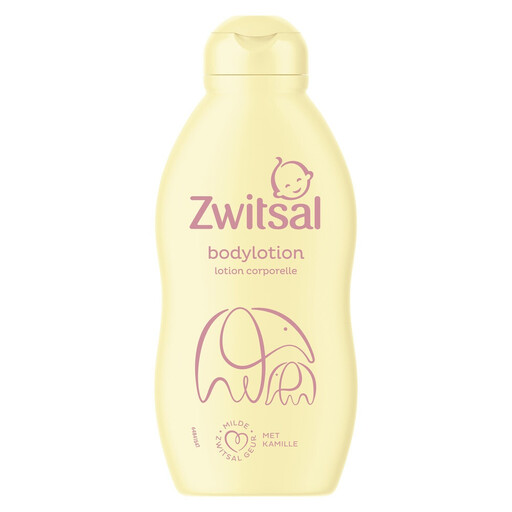
Why it suits this profile: A simple baby body lotion for parents looking for daily care with a familiar fragrance and a 200 ml pack.
The product information states that the formula contains no colourants and is intended for baby skin. However, fragrance is part of this variant, so it is not a fragrance-free choice.
200 ml, moisturising formula and, according to the product description, dermatologically tested.
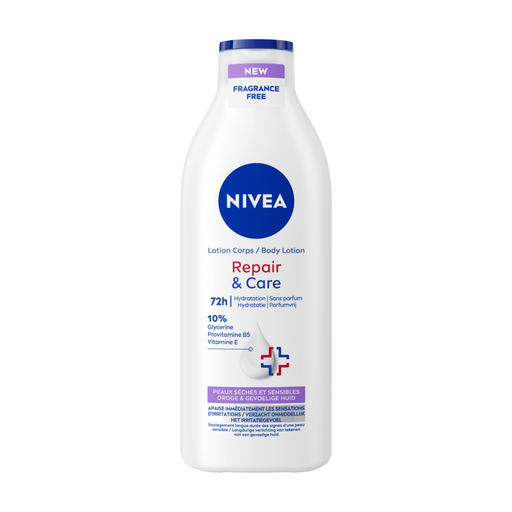
Why it suits this profile: Suitable for adults looking for a fragrance-free lotion for dry and sensitive skin, with a generous size.
The ingredients list and product description clearly state that the product is fragrance-free. According to NIVEA’s own research, the stated 72 hours comes from an instrumental test involving 45 volunteers.
400 ml, 10% glycerine and panthenol complex, fragrance-free formula and fast-absorbing texture.
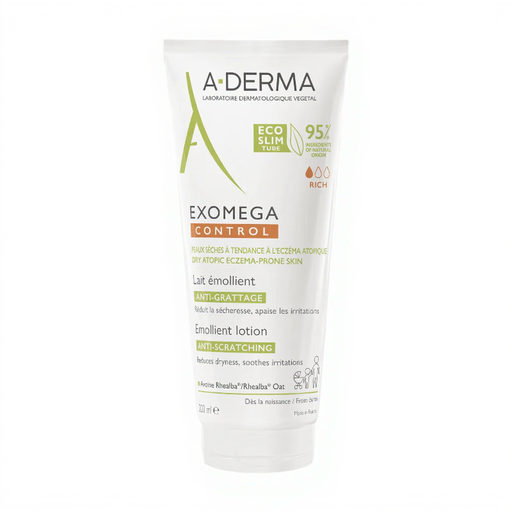
Why it suits this profile: A fragrance-free option for families looking for a lotion for dry, eczema-prone skin and daily use on the face and body.
The product description states that it is fragrance-free, has a fluid, non-greasy texture and is suitable from birth. Check the packaging for the latest usage information.
200 ml, Rhealba oat extract according to the product information, fragrance-free and intended for the face and body.
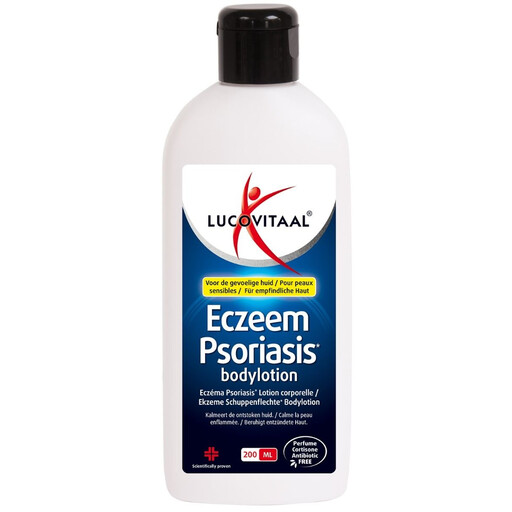
Why it suits this profile: Intended for adults looking for a fragrance-free lotion for skin affected by eczema or psoriasis diagnosed by a doctor.
The product information explicitly states that this is a medical device. Read the instructions for use first and do not use it as an alternative to a diagnosis.
200 ml, fragrance-free according to the product details and intended for dry, flaky skin where symptoms have been diagnosed.
We have put together a complete, up-to-date list of products that fully meet these strict selection criteria and the applicable European safety regulations.
For dry skin, daily use is often practical, for example after showering. Pat your skin dry and apply the lotion within a few minutes. For baby products and medical devices, always follow the instructions on the packaging.
That depends on the formula. A fragrance-free body lotion without colourants may be a sensible choice, but individual reactions are still possible. Try a new product on a small area of skin first and stop using it if irritation occurs.
This is mainly determined by the price per 100 ml and the amount you use each time. Body lotion is often easier to spread over large areas. Body cream may be more convenient for localised areas of very dry skin, meaning you may need less product there.
