
Vandaag of morgen in huis

Kwaliteit gegarandeerd

Welkomstaanbiedingen ontgrendelen: GRATIS bezorging | Tot 80% korting | Gratis 30 dagen JoyPlus-proefperiode
Download de app
A body lotion might seem like a simple purchase, but the difference between a light lotion, a body milk and a rich body cream becomes clear after daily use. The wrong choice can feel sticky, fail to provide enough comfort for dry patches, or be unsuitable for sensitive skin.
That's why you should look beyond words like “intensive”, “72-hour” or “natural”. You also need to consider the skin type the product is designed for, the ingredients list, the fragrance and how the hydration claim was established.
Claims like 24-hour hydration, 48-hour hydration and 72-hour hydration sound straightforward, but the testing methods vary from brand to brand. According to NIVEA's product information, certain 72-hour claims are based on an instrumental or clinical test involving a limited group of volunteers. This doesn't mean that every skin type will feel hydrated for that exact length of time under all conditions.
Showering, cold weather, dry air and frequent hand washing can increase the need for reapplication. It's best to use the stated duration as a point of comparison, not a guarantee.
A body cream with shea butter, oils or an occlusive texture can feel lovely on dry skin, but it may take longer to absorb. If you're short on time in the morning, it's better to look for a fast-absorbing body lotion or body milk.
Check the product description for terms like “non-greasy”, “lightweight formula” and “absorbs quickly”. Remember, this is a product feature, not a promise that the lotion will feel completely dry on every user straight away.
A lotion for sensitive skin is not automatically fragrance-free. Always check the ingredients list. Names like parfum, linalool, limonene, geraniol and citronellol indicate fragrances or fragrance allergens. Even a product without perfume can contain ingredients that you might personally react to.
If you have sensitive or reactive skin, doing a patch test on a small area of skin is a practical precaution. Stop using the product if you experience any redness, itching or irritation, and follow the safety information on the packaging.
Choose a texture based on when you'll use it and how you want it to feel on your skin:
Ingredients like hyaluronic acid, glycerine and panthenol are often used in hydrating body lotions. According to the product information from the respective brands, they have a caring function within the formula. However, the presence of a single ingredient doesn't solely determine how a lotion will feel on your skin.
Don't just compare the number of hours. Check if the claim is explained as:
“Dermatologically tested” doesn't mean that irritation is impossible. It simply means the product's skin compatibility has been assessed under a specific test protocol. The scope of the test, the conditions and the full results are not always available on the product page.
A pump bottle is handy for daily use and means you don't have to keep dipping your hands into a jar. A tube is practical for smaller quantities or for taking with you. It's also worth comparing the price per 100 ml: a 400 ml bottle can work out cheaper than several smaller ones, but only if you use the lotion regularly.
If fragrance is important to you, you could choose a version with notes like vanilla or patchouli. If you'd rather avoid perfume, you can look for a fragrance-free lotion, such as the NIVEA Repair & Care Sensitive variant, according to its product information.
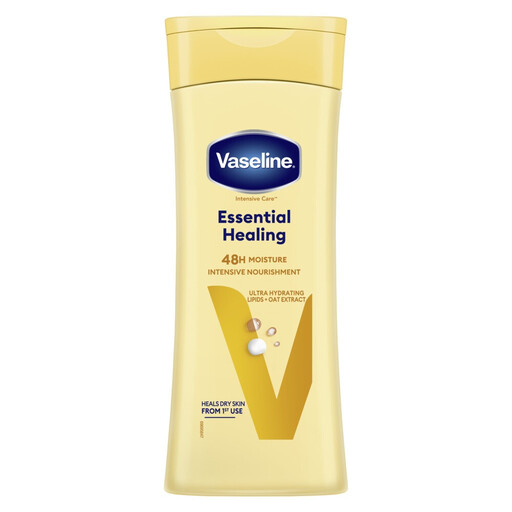
Why it's a good match: The 400 ml bottle is ideal for daily use on dry skin and makes the price per millilitre easy to track.
The product information mentions fast absorption and non-greasy hydration for up to 48 hours. Do check the ingredients for fragrances if your skin is sensitive to them.
400 ml, glycerine, oat extract and a formula for dry skin.
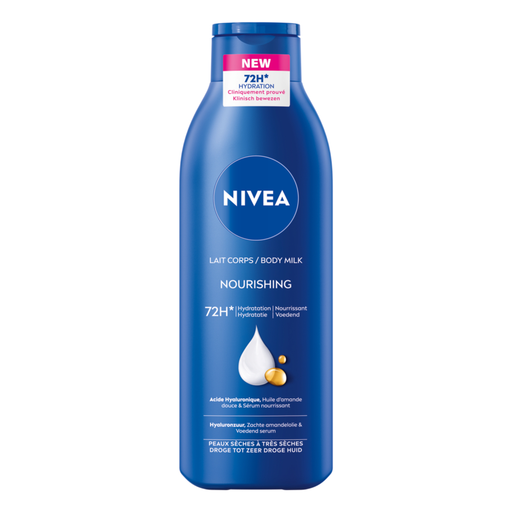
Why it's a good match: This body milk targets dry to very dry skin and combines hyaluronic acid, almond oil and a nourishing serum.
According to NIVEA's own research, the formula provides up to 72 hours of hydration; the product information also mentions a lightweight, fast-absorbing texture.
Hyaluronic acid, almond oil, 250 ml and a non-greasy formula, according to the product description.
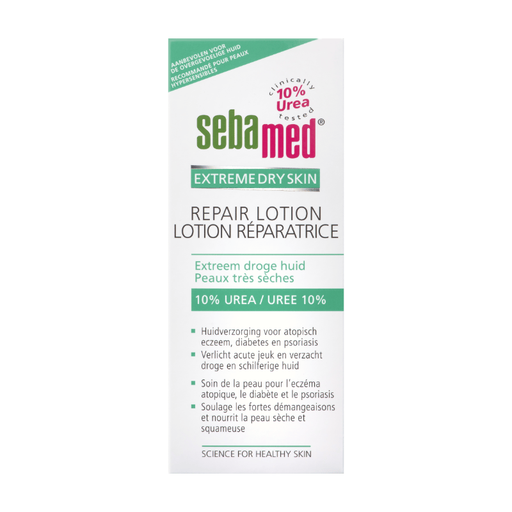
Why it's a good match: This lotion is specifically designed for very dry patches and can be applied locally when a regular body lotion doesn't feel rich enough.
The percentage of urea is stated clearly in the product name. This allows you to compare formulas more accurately, rather than just relying on general terms like “intensive”.
10% urea, 200 ml and usage instructions for dry and itchy areas of the body.
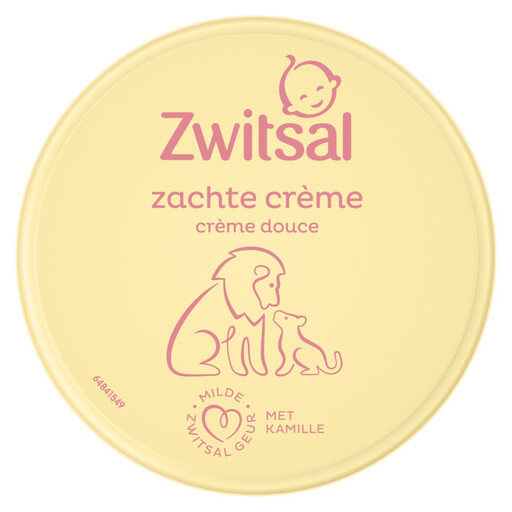
Why it's a good match: This baby body lotion in a cream format is designed for the face and body and, according to the product details, is suitable from birth.
The product details mention that it is pH skin-neutral and has been dermatologically tested. The formula does contain perfume, so be sure to check the warnings if your baby has sensitive skin.
200 ml, vitamin E, creamy texture and suitable for face and body.
We have put together a complete, up-to-date list of products that fully meet these strict selection criteria and comply with current European safety regulations.
Apply the lotion to clean skin, preferably after a shower while your skin is still slightly damp. Gently smooth the product over your arms, legs, stomach and back. Pay extra attention to your elbows, knees and heels if these areas feel drier.
When trying a new formula, start with a small amount. Store the packaging according to the instructions and check the expiry information on the label. Do not use a product around the eyes unless it is expressly permitted.
A body milk is usually lighter and more fluid than a body cream. A body lotion is often somewhere between a milk and a cream. Body creams are typically richer and can be more suitable for very dry areas, but they sometimes feel less fast-absorbing. The exact texture varies between formulas, so always check the product description.
For daily maintenance, applying it once after showering is a practical starting point. If you have dry skin, you may need to reapply it, for example after washing or when your skin feels tight. For products containing urea or other specific ingredients, follow the instructions on the packaging.
A body lotion for men usually differs in its fragrance, packaging or marketing. The relevant selection criteria remain the same: skin type, texture, ingredients and ease of use. For example, NIVEA MEN Vitalising Body Lotion states that it provides 24-hour hydration, contains vitamin E and has a fast-absorbing formula for normal skin. According to the product information, this lotion is intended for daily use.
