
Vandaag of morgen in huis

Kwaliteit gegarandeerd

Welkomstaanbiedingen ontgrendelen: GRATIS bezorging | Tot 80% korting | Gratis 30 dagen JoyPlus-proefperiode
Download de app
A face cream for sensitive skin should feel comfortable, help retain sufficient moisture and fit into your daily routine. However, choosing the right product is not always straightforward. For example, a product may be marketed as “soothing” but still contain perfume. A lightweight gel may also feel pleasant on combination skin, while dry skin may benefit from a richer cream.
Joybuy Product Recommendation Officer helps you cut through marketing language and focus on verifiable points: ingredients, texture, SPF, skin type and when to use the product.
Always check the ingredients list. Some products for sensitive skin still contain perfume or fragrances such as limonene, linalool or geraniol. If your skin reacts quickly to fragrances, it may therefore be better to choose a fragrance-free face cream and check the product packaging before ordering.
A face cream with SPF can be convenient for everyday use, but the protection factor matters. SPF 15 offers a different level of protection from SPF 30. The amount you apply and how often you reapply also affect real-world protection. For longer periods in the sun, a separate sun-care product is often more sensible than relying on a day cream alone.
More ingredients do not necessarily mean greater effectiveness. Instead, look at the combination of glycerine, panthenol, ceramides, hyaluronic acid, shea butter or plant extracts. Also choose a texture you will genuinely want to use every day. A rich cream that remains sticky can quickly end up unused in the cupboard.
A moisturiser for sensitive skin generally combines humectants, soothing ingredients and substances that help retain moisture. Glycerine and hyaluronic acid attract moisture. Ceramides, fatty acids and oils can help the surface of the skin feel comfortable.
“Repairing the skin barrier” is not a guarantee of a particular result. Think of it as a skincare goal: less tightness, a more comfortable feel and a formula that helps limit dryness. According to the product description, Dr. Althea 147 Barrier Cream contains ceramides and seven types of hyaluronic acid, for example. This makes those ingredients relevant for anyone looking for a richer, barrier-supporting cream, but individual skin reactions will vary.
Centella asiatica, panthenol, liquorice extract, chamomile and guaiazulene are often found in a soothing face cream. Brands may present their own research findings, but such claims should be understood as brand claims. For example, NIVEA reports results from instrumental tests or consumer trials for some products; these are based on NIVEA’s own research and are not a universal guarantee.
When using a cream on irritated skin, it is sensible to introduce it gradually. First test a small amount on a limited area of skin. Stop if you experience a noticeable reaction and seek advice from a doctor or dermatologist if symptoms persist.
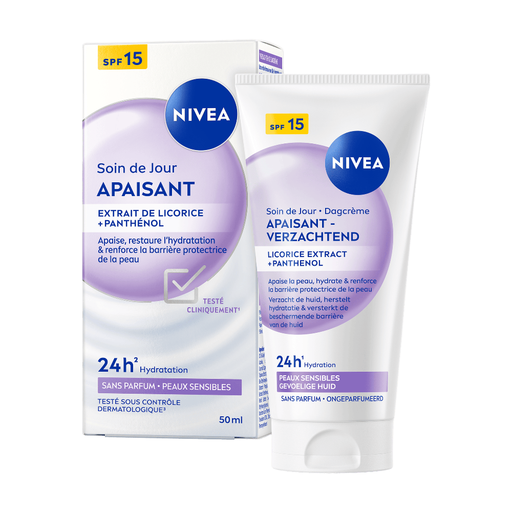
Why it suits this profile: A straightforward day cream for anyone looking for hydration, a fragrance-free formula and built-in SPF in one product.
The product description states that the formula is fragrance-free and pH-neutral. Check the current packaging if you are particularly sensitive.
50 ml, SPF 15, glycerine, panthenol and liquorice extract according to the ingredients list.
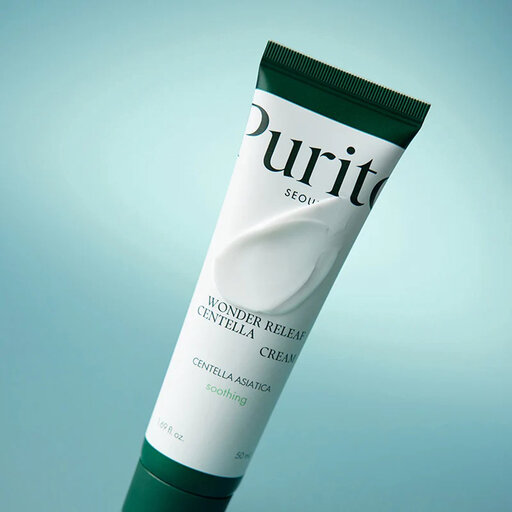
Why it suits this profile: Ideal for anyone who values a vegan, fragrance-free formula and a lightweight texture.
The product information states that it contains no perfume, mineral oil, parabens, PEG or alcohol. Check the current INCI list when purchasing.
50 ml, vegan formula, Centella asiatica and niacinamide according to the product description.
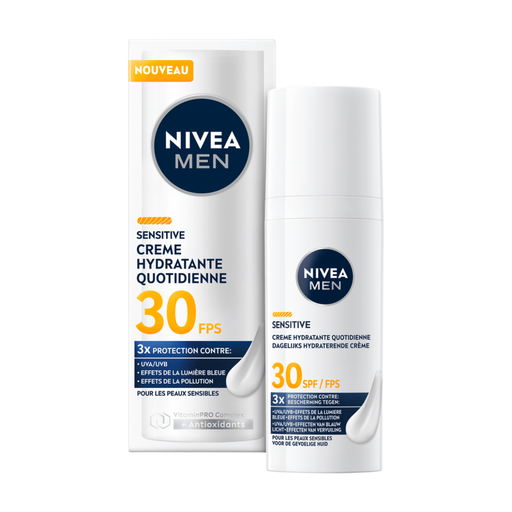
Why it suits this profile: Designed for men who want to use a lightweight moisturiser with a higher SPF every day, for example when commuting or enjoying outdoor activities.
The SPF is clearly stated as SPF 30, and the formula is described as lightweight and non-greasy. However, the ingredients list does contain perfume.
50 ml, SPF 30, glycerine, panthenol and chamomile according to the product information.
We have put together a complete, up-to-date list of products that fully meet these strict selection criteria and the applicable European safety regulations.
Apply the cream to cleansed skin and use a small amount. A layer that is too thick may feel heavy, while too little product may not provide enough comfort. During the day, apply a day cream first and, in strong sunlight, add a suitable sun-care product.
An anti-wrinkle cream for sensitive skin may contain ingredients such as Q10, niacinamide or creatine. The product description for NIVEA Q10 Power Sensitive, for example, reports results from a consumer test. According to NIVEA’s own research, certain changes were measured; this does not mean that everyone will see the same result. Above all, consider whether the cream is fragrance-free, feels comfortable and fits into your routine.
Look for glycerine, panthenol, ceramides, hyaluronic acid and nourishing oils or butters. A fragrance-free, richer cream may feel more comfortable than a very lightweight gel. Introduce any new product gradually.
Yes, provided the formula feels comfortable and does not contain ingredients you react to. For men, an alcohol-free men’s face cream is often a practical choice. Do check whether the product contains perfume, particularly if your skin tends to sting after shaving.
This depends on the size of the pack and how much you use each time. A 50 ml pack will usually last longer with daily use than a smaller tube, but always follow the expiry date and the period-after-opening guidance on the packaging. Store the cream in a cool, dry place and keep it tightly closed.
