
Vandaag of morgen in huis

Kwaliteit gegarandeerd

Welkomstaanbiedingen ontgrendelen: GRATIS bezorging | Tot 80% korting | Gratis 30 dagen JoyPlus-proefperiode
Download de app
A curry can turn watery if the fat content is too low. A dessert, on the other hand, can taste too heavy if you use a very concentrated variety. When it comes to coconut milk, a flashy packet tells you far less than the information on the label. Whether you are looking for Thai coconut milk, coconut milk for curry or a plant-based alternative, it pays to check three things first: ingredients, fat content and size.
Coconut cream usually contains more coconut solids and therefore has a thicker consistency. Coconut milk is generally more liquid and works well for curries, soups, desserts and drinks. So always check what the product is intended for. A tin labelled “dessert”, for example, may contain extra thickeners or other additives.
Words like “creamy”, “authentic” and “natural” don’t give you the full picture of what’s inside. Look at the percentage of coconut extract and the full ingredients list. Some varieties contain just coconut extract and water; others include guar gum, xanthan gum, emulsifiers or stabilisers.
A product with additives isn’t automatically unsuitable. In fact, it can help prevent curdling or natural separation. If you want coconut milk without artificial additives, you need to check the ingredients list yourself rather than just relying on the front of the packet.
A 1-litre coconut milk pack is practical for heavy users, families and meal prepping. For a single curry, 400ml coconut milk is often more convenient. A small 165ml tin or a 270ml tin helps reduce waste when you only need a small amount.
The fat content is a useful point of comparison:
Check the nutritional information per 100ml or 100g. A product name might mention a fat percentage, but the nutritional table shows how much fat is actually in each serving unit.
For coconut milk for cooking, you’ll often see a combination of coconut extract and water. Other products add a stabiliser or emulsifier. This can make the texture more consistent, but it matters if you are specifically looking for coconut milk without artificial additives.
Also check the allergen information. Coconut is sometimes listed separately in product information, even though it isn’t one of the 14 main EU allergens. If you have an allergy or intolerance, always follow the label on the packaging.
Canned coconut milk has a long shelf life when stored unopened in a cool, dry place away from direct sunlight. A UHT carton, such as a 1-litre pack, can also be stored outside the fridge until opened. Once opened, coconut milk should generally be kept refrigerated and used within the time stated on the packaging.
A slight separation of fat and liquid is normal. Shaking or stirring can restore the consistency. Do not use a tin that is bulging, leaking or badly damaged.
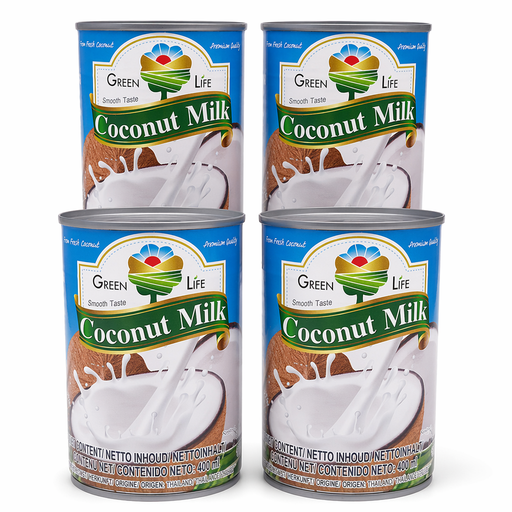
Why this fits the profile: Four 400ml packs are manageable for anyone wanting to try different dishes without opening a large carton straight away.
The fat content of 5–7% is clearly stated. This means you won’t buy a heavy variety when you’re after a milder base for soup, dessert or a smoothie.
400ml per pack, vegan according to the product information, and contains guar gum as a stabiliser.
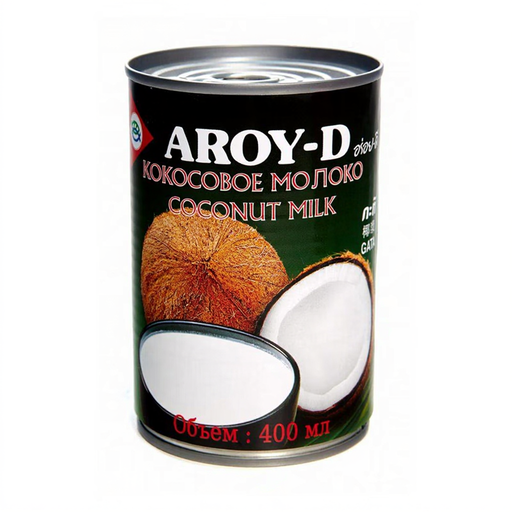
Why this fits the profile: The simple ingredients appeal to shoppers who focus on coconut content and a short ingredients list for Thai dishes.
The product information lists only coconut extract and water. Always check the actual label when you receive it.
19g fat per 100g, 400ml content and, according to the product information, sourced from Thailand.
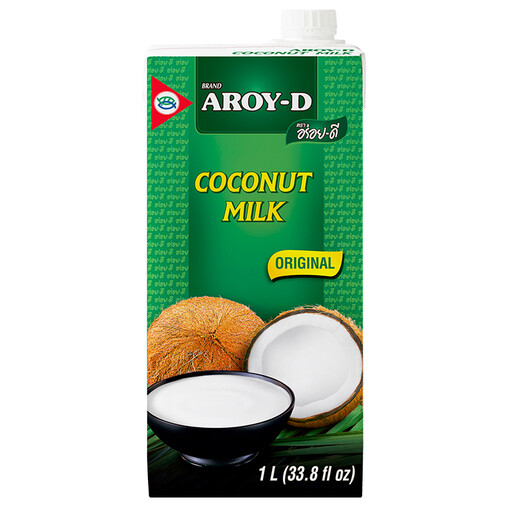
Why this fits the profile: A litre pack is practical for professional kitchens, large households and anyone who regularly makes curry, soup or dessert.
The larger size means you won’t need multiple small packs, but it’s less suitable if you only use coconut milk occasionally.
1 litre content, 19g fat per 100ml and, according to the product information, suitable for vegan and vegetarian use.
We’ve put together a full, up-to-date list of products that fully meet these strict selection criteria and current European safety regulations.
For a Thai curry, varieties with 17–19% fat are usually the practical choice if you want a full-bodied sauce. Aroy-D, Go-Tan, Sunlee and KARA offer 400ml sizes for this purpose. For a lighter soup or smoothie, a variety with 5–7% fat may be a better fit.
For coconut milk for desserts, look for a creamy texture and a clear coconut flavour. The Fairtrade Bio Organic Coconut Milk (270ml) contains organic ingredients and guar gum as a stabiliser, according to the product information. That small size is handy for a recipe that uses limited quantities.
If you are looking for vegan coconut milk or lactose-free coconut milk, check the allergen information as well as the product name. Coconut milk is naturally dairy-free, but recipes and blended drinks may contain other ingredients.
No. Coconut water is the liquid from a young coconut and is generally thinner. Coconut milk is made from coconut flesh or coconut extract with water. This makes it more suitable for curries, sauces, desserts and baking.
Store opened coconut milk in the fridge in a sealed container and follow the time stated on the label. Stir or shake the product before use if the fat and liquid have separated. Throw it away if there is an unusual smell, taste or if the packaging is damaged.
A 400ml tin usually works for one pan of curry or a dessert recipe. A litre pack is more economical if you cook often, prepare food for several people or use coconut milk professionally. Choose a small size if you want to limit waste, and a large size if you can use the contents quickly.
