
Vandaag of morgen in huis

Kwaliteit gegarandeerd

Welkomstaanbiedingen ontgrendelen: GRATIS bezorging | Tot 80% korting | Gratis 30 dagen JoyPlus-proefperiode
Download de app
You're standing in the aisle, ready to grab the ingredients for a delicious curry or a creamy dessert. You need coconut milk, but the selection is overwhelming: full-fat, light, cream, creamed coconut, in a can, in a carton. Which one do you choose? The wrong choice can make or break your dish.
My name is Joybuy, and as a Product Recommendation Officer at Joybuy, I'm here to help you navigate the jungle of options. In this guide, I'll explain the differences and provide specific recommendations, so you can confidently choose the right coconut milk for your recipe.
Before we look at the products, here are a few practical tips. Paying attention to these three points will make buying coconut milk much simpler.
The fat percentage is perhaps the most important factor. It determines the creaminess, texture, and how the coconut milk behaves when cooking with coconut milk.
coconut milk for curry you're looking for, perfect for a classic Thai green or red curry. Brands like Aroy-D coconut milk are a great example of this.Besides liquid milk in a can or carton, you'll also encounter other forms.
Good coconut milk has a short ingredients list: coconut extract and water. Sometimes, stabilisers (like guar gum or xanthan gum) are added to prevent the milk from curdling and to ensure a smooth texture. This isn't necessarily a bad thing, but if you're looking for the purest product possible, creamed coconut or a coconut milk without these additives is a good choice.
Based on product specifications and applications, we've listed some popular choices for you.
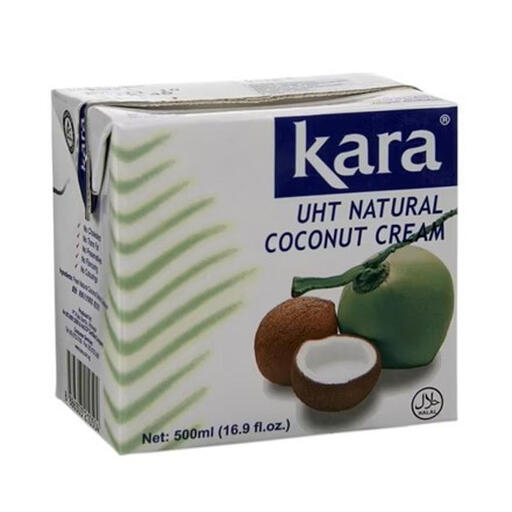
coconut cream. The UHT packaging ensures the cream is smooth and homogenised, ready to use without any mixing.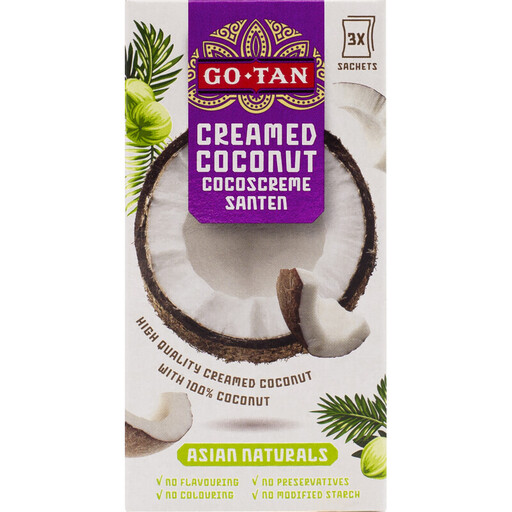
santen (creamed coconut) in its purest form. According to Go-Tan, the product consists of 100% coconut, packed in convenient portion sachets. You have complete control over the thickness of your coconut milk.
Aroy-D coconut milk is a staple in Asian cuisine. With 19% fat, this Thai coconut milk has the ideal balance for most dishes, especially curries and soups. The ingredients list is simple: coconut extract and water.canned coconut milk for your weekly curry, this is a solid choice.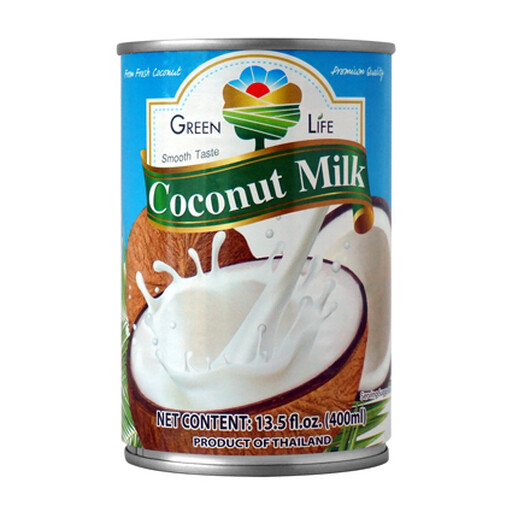
light coconut milk offers a delicate coconut flavour with significantly less fat. With a fat content of 5-7%, it's a lighter option that still provides a creamy mouthfeel.If the perfect coconut cream for your recipe isn't listed here, or if you're curious about other brands and varieties, don't worry. We have a wider range to choose from.
View our full range of coconut cream and find the ideal match for your dishes.
The main difference is the fat percentage. Coconut cream contains more fat (usually over 20%) and is therefore thicker and creamier. Coconut milk is more liquid and has a lower fat percentage (usually between 5% and 19%). Use coconut cream for a rich sauce or dessert; for a standard curry or soup, coconut milk is ideal.
Coconut milk intended for cooking (like the products above) is very concentrated and fatty. It is not meant to be drunk straight. There are special coconut drinks (often in litre cartons in the refrigerated section) that are diluted with water and sometimes sweetened, which are suitable for drinking as they are.
Curdling often happens when coconut milk is heated too quickly or at too high a temperature, causing the fats to separate from the water. You can often fix this by lowering the heat and gently whisking the sauce until it forms a smooth emulsion again. Therefore, it's best to add coconut milk later in the cooking process and not let it come to a rolling boil.
