
Vandaag of morgen in huis

Kwaliteit gegarandeerd

Welkomstaanbiedingen ontgrendelen: GRATIS bezorging | Tot 80% korting | Gratis 30 dagen JoyPlus-proefperiode
Download de app
Want to buy coconut milk? The choice may seem simple: pick a tin or carton with coconut on the label. However, products vary considerably in fat content, quantity, ingredients and intended use. Thin coconut milk behaves differently in a Thai curry from concentrated coconut cream. A larger pack may also seem better value, but once opened, you may need to plan several recipes to use it up quickly.
Keep an eye out for these common pitfalls:
Fat content is a useful point of comparison. Coconut milk with around 5-7% fat has a milder, lighter consistency. This version works well in soups, smoothies, desserts and dishes where you do not want an overpowering coconut flavour.
For a rich sauce or coconut milk for curry, look for varieties with around 17-22% fat. These generally give more body to a curry, soup or sauce. The product itself will, of course, determine the final flavour and texture, so also follow the instructions on the packaging.
Coconut cream is more concentrated than ordinary coconut milk. According to the product information, KARA Coconut Cream UHT contains 24% fat and is intended as a base for sauces and cocktails. If you follow a vegan diet, always check the allergen information: this specific product listing states that it contains milk as an allergen.
Do not compare just the brand; look at the composition too:
For example, AROY-D Coconut Milk Cooking 19% Fat 400ml lists 60% coconut extract and water as its ingredients. Sunlee Coconut Milk 17-19% Brown lists coconut milk made from coconut extract and water. The exact composition therefore varies from product to product, even when both seem suitable for the same recipes.
A product labelled vegan coconut milk may fit a vegan diet, but always check the current packaging. Product information can change, and some coconut products contain additives or allergens.
400 ml coconut milk is often convenient for one curry, soup or dessert. This helps prevent an opened pack from sitting unused in the fridge. A 1-litre pack of coconut milk is better suited to families, meal preppers and home cooks who regularly prepare Asian dishes.
Also consider the type of packaging:
Store unopened UHT products in a cool, dry place according to the label. Once opened, coconut milk and coconut cream should generally be kept refrigerated. Always follow the use-by guidance on the packaging.
The selection below is based on verifiable details such as quantity, fat content, ingredients and packaging. A brand claim about flavour or origin is not presented here as a guaranteed result.
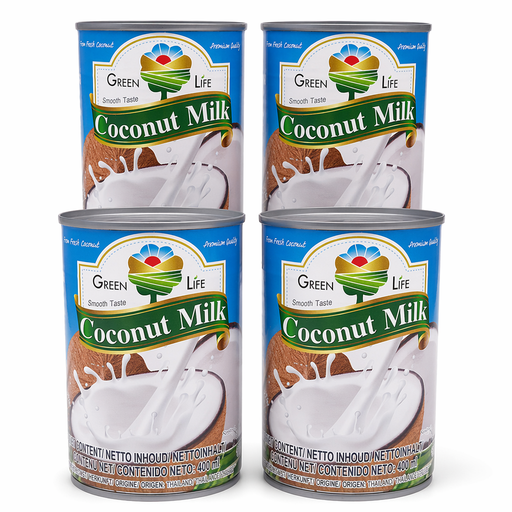
Why it suits this profile: Four 400 ml packs give you a practical supply for individual curries, soups or desserts without having to open a large 1-litre carton straight away.
The 5-7% fat content is clearly stated. This means you will not accidentally buy concentrated coconut cream when you are looking for milder coconut milk.
400 ml per pack; the product information states that it has a vegan, lactose-free composition containing coconut extract, water and guar gum.
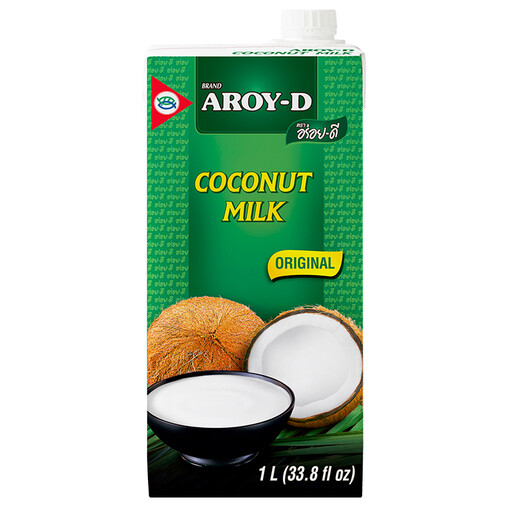
Why it suits this profile: The 1-litre pack is aimed at home cooks who regularly use Thai coconut milk for curries, soups, desserts or smoothies.
The product listing specifies 1,000 ml, 70% coconut extract and 19 g of fat per 100 g. This allows you to base your choice on the composition rather than marketing language alone.
Large format; according to the product information, it is vegetarian and vegan, with a low salt content of 0.05 g per 100 g.
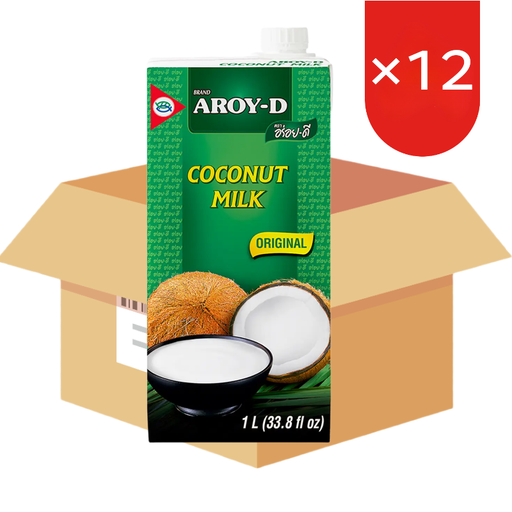
Why it suits this profile: A box containing twelve cartons is suitable for high-volume use, cookery clubs, catering-style quantities or households that frequently prepare Asian dishes.
You do not need to order small packs repeatedly. However, check your storage space and the best-before date on each individual carton beforehand.
Twelve 1-litre cartons; according to the product description, free from major EU allergens and suitable for curries, soups, desserts, baking and smoothies.
Asian coconut milk is intended for cooking and baking. Coconut water is a drink from the coconut and has a much lighter composition. According to the product information, FOCO Coconut Water with Pineapple contains 5% pineapple juice and 20 kcal per 100 ml. According to the listing, Vita Coco Coconut Water 12-pack 330 ml contains 99% coconut water and a small amount of fructose.
Choose coconut water for drinking, smoothies or mixed drinks, not as a replacement for coconut milk in a curry. For a tropical drink, you could also consider FOCO Roasted Coconut Juice; according to the label, this product contains, among other ingredients, 80% roasted coconut water, water, coconut flesh and sugar.
We have compiled a complete, up-to-date list of products that fully meet these strict selection criteria and the applicable European safety regulations.
Many home cooks choose a variety with around 17-22% fat for curries, as it gives them a fuller consistency. AROY-D Coconut Milk Cooking 19% Fat 400ml and Sunlee Coconut Milk 20-22% 400ml fall into this category. Also check that the ingredients suit your recipe and dietary preferences.
No. Coconut cream is generally more concentrated and often contains more fat. Use coconut cream when you need a thicker sauce, dessert or cocktail base. For soup, smoothies or a lighter curry, ordinary coconut milk may be more practical.
Place an opened pack in the fridge and follow the timeframe stated on the label. Ideally, use an opened product within a few days. Always check its smell and appearance to make sure the contents are still normal. Natural separation of the fat and liquid may occur; shaking or stirring can help make the texture uniform again.
