
Vandaag of morgen in huis

Kwaliteit gegarandeerd

Welkomstaanbiedingen ontgrendelen: GRATIS bezorging | Tot 80% korting | Gratis 30 dagen JoyPlus-proefperiode
Download de app
Do you ever find yourself in the supermarket aisle, wondering which coconut milk to choose? One is full-bodied and creamy, another is ‘light’, and then there’s coconut cream. The choice can be overwhelming, especially when your recipe calls for a specific texture. Whether you're making an authentic Thai curry, a creamy soup, or a lactose-free dessert, the right coconut milk is essential.
This guide is designed to bring some clarity. We'll break down the differences based on fat content, ingredients, and use, so you can confidently make the right choice for your dish every time.
Before we dive into specific products, here are a few practical points to consider that will help you choose.
The fat percentage determines the creaminess and flavour of the coconut milk and is the most important factor in your decision.
The ingredient list reveals a lot about the quality and texture.
The most common packaging is canned coconut milk. This is an excellent option with a long shelf life. Some brands also offer coconut milk in cardboard cartons. These often come with a convenient screw cap and are sometimes BPA-free, which can be a consideration for some consumers.
Based on the criteria above, we've selected some popular choices, each serving a different purpose.

Why it stands out: This coconut milk is known for its pure ingredients. With 19% fat, it's the perfect base for a rich and flavourful coconut milk for curry.
Pros:
Who is it for? For home cooks seeking an authentic flavour and texture for their Asian dishes, especially Thai curries. Also ideal for those who prefer products without stabilisers or other additives.
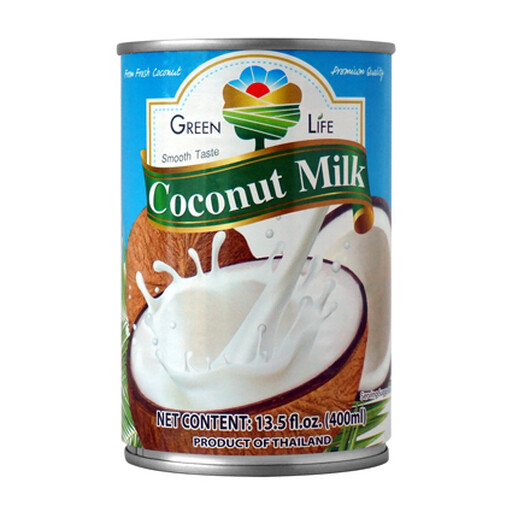
Why it stands out: This is a classic light coconut milk with a significantly lower fat content, making it a versatile option for everyday use.
Pros:
Who is it for? For health-conscious consumers looking for a lighter option for their dishes. Perfect for those following a low-carb or low-fat diet, or simply wanting to prepare a less heavy meal.
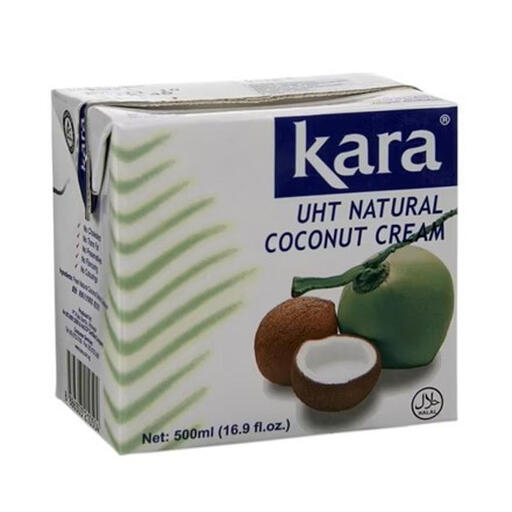
Why it stands out: With 24% fat, this is a true coconut cream. The UHT processing and added stabilisers ensure a consistently thick and smooth texture.
Pros:
Who is it for? For anyone looking for an extra-thick, luxurious texture. An excellent choice for pastry chefs, dessert lovers, and cooks who want to give a sauce or soup a velvety finish.
The world of coconut milk is wide and diverse. If the options above aren't exactly what you need, or if you're simply curious about other brands and varieties, there's more to explore.
The main difference is the fat content. Coconut cream typically contains over 20% fat, making it significantly thicker and creamier. Full-fat coconut milk is usually between 15% and 19% fat. Light coconut milk contains less than 10% fat. For a rich sauce, use full-fat coconut milk; for an extra-creamy dessert or finish, choose coconut cream.
Yes, you can, but the result will be noticeably different. A curry made with light coconut milk will be more watery and less rich in flavour. If you want a creamy curry, full-fat coconut milk (around 17-19% fat) is the recommended choice.
After opening canned coconut milk, it's best to transfer it to a sealed, non-metallic container (like glass or plastic). It will then keep in the refrigerator for 3 to 4 days. Coconut milk in a carton with a screw cap can be stored directly in the fridge and usually stays fresh a bit longer.
