
Vandaag of morgen in huis

Kwaliteit gegarandeerd

Welkomstaanbiedingen ontgrendelen: GRATIS bezorging | Tot 80% korting | Gratis 30 dagen JoyPlus-proefperiode
Download de app
A cold coffee might seem simple to choose. Yet a can of iced coffee, a bottle, a capsule or a sachet of instant coffee can differ hugely in taste, composition and ease of use. A sweet ready-to-drink iced coffee, for example, can contain more sugar than you might expect, while a black Americano delivers fewer calories but tastes less creamy.
Terms like iced coffee, smooth, cappuccino and mocha also don't tell you everything about what's inside. So look at the label first, and only then at the packaging or brand name. Use the points below to compare ready-to-drink coffee more practically.
Always check the nutritional values per 100 ml and per full pack. A 240 ml drink with 6 grams of sugar per 100 ml contains around 14.4 grams of sugar in total. With some varieties, that figure climbs even higher.
For example, the OD Gourmet Ice Coffee Original states 5.7 grams of sugar per 100 ml. The 240 ml pack therefore contains more sugar than the number on the table might initially suggest. According to the product information, the Caffe Bene Caramel Macchiato contains 22 grams of sugar per 190 ml pack.
A milky iced coffee cappuccino or iced coffee mocha often contains milk powder, sugar and flavourings alongside coffee extract. That can give a smooth taste, but it says nothing about the amount of caffeine. Some products clearly state the caffeine content; with others, you need to check the ingredients list and nutritional information.
For instance, the OD Gourmet Ice Coffee Cappuccino states 52 mg of caffeine per 100 ml. The Starbucks Tripleshot Espresso Iced Coffee states 47 mg per 100 ml. Use these figures to compare portions with each other. If you're having a high caffeine intake, pay extra attention to the warnings on the packaging.
Vanilla, caramel, coconut and chocolate are flavour directions, not fixed recipes. A product labelled "mocha" might contain milk and sugar, while a coconut variety mainly adds a natural flavouring to the coffee. So check:
A ready-to-drink coffee is ready to enjoy straight away and handy for on the go, at the office or during a study day. Check whether the product needs to be chilled and how quickly you need to consume it after opening.
Capsules and instant coffee give you more control over preparation. According to the product description, the L'OR Espresso Coco Iced Coffee Capsules can be prepared hot or cold. With the Yongpu concentrated coffee liquid, you need to dilute the contents with water or milk first. That's practical if you want to adjust the strength and creaminess yourself.
Choose based on the ingredients, not just the product name.
According to its label, the UCC MAJOR Scent and Rich Black lists water and 8% coffee as ingredients, with 0 grams of sugar and 0 kcal. That makes this option suitable for anyone looking for coffee without sugar, without attaching a health claim to it.
An iced coffee bottle or can of 185 to 300 ml fits easily in a bag, but the size also determines how much you drink each time. A multi-pack of 24 × 240 ml is more convenient for stocking up at home or the office, while individual portions are better suited to occasional use.
Store unopened products according to the label. Many varieties need to be kept cool, dry and out of direct sunlight. After opening, milky drinks generally need to be chilled. The packaging remains the guide for the best-before date, storage time and warnings.
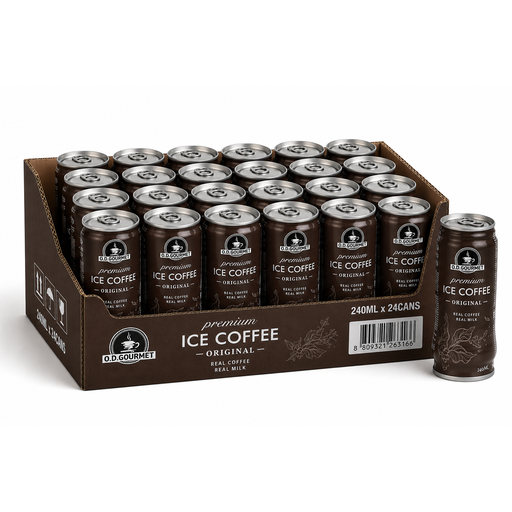
Why this fits the profile: A multi-pack gives you a stock of ready-to-drink iced coffee for home, study or the office. The 240 ml portion is clearly defined.
The product information lists ingredients, nutritional values and storage advice. This lets you check sugar and portion size in advance.
Ready-to-drink, 240 ml per pack and a lightly sweet, milky coffee flavour according to the product description.
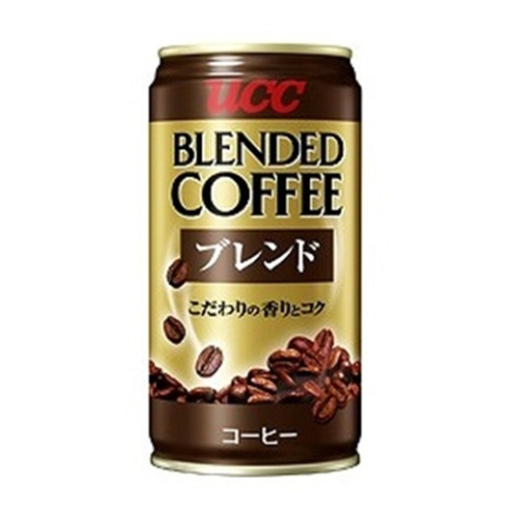
Why this fits the profile: The compact can is ideal for a quick coffee break on the go. The milky composition suits anyone looking for a smooth blend.
The nutritional information states 31 kcal per 100 ml. This makes the energy value easier to assess than relying on the marketing name.
185 ml can, coffee with milk powder and clear nutritional values per 100 ml.
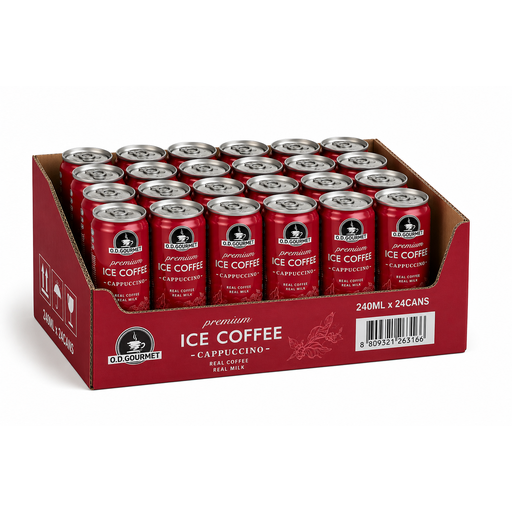
Why this fits the profile: The multi-pack is practical for regular use at the office, in a student house or during long working days.
The caffeine content of 52 mg per 100 ml is stated in the product information. Milk and storage conditions are also listed.
Cappuccino flavour, 240 ml per pack and 39 kcal per 100 ml according to the stated nutritional values.
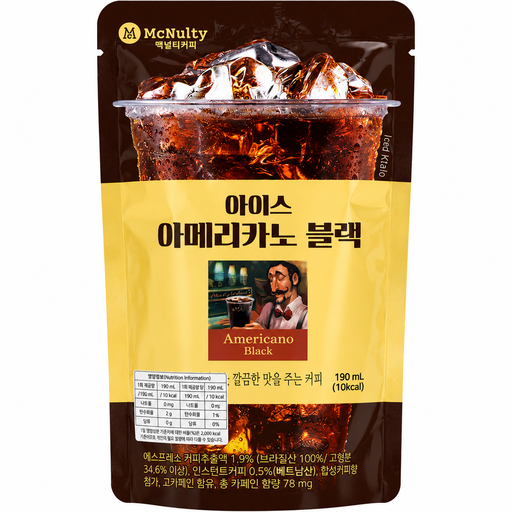
Why this fits the profile: This black cold coffee is compact and suitable for anyone who doesn't want a milky or sweet taste.
The product information states 0 grams of sugar and 10 kcal per 190 ml pack. Always check the current label before purchase.
190 ml portion, black Americano style and, according to the stated information, no sugar.
We've put together a full, up-to-date list of products that fully meet these strict selection criteria and comply with current European safety regulations.
Yes, iced coffee is the English term for cold coffee. The preparation does differ though. A ready-to-drink product can contain coffee extract, milk, sugar and flavourings. With capsules or instant coffee, you add water, milk and ice yourself.
Always follow the storage advice on the packaging. Milky drinks usually need to be chilled after opening and consumed within the stated period. Don't use a product if the packaging is damaged or if the smell, taste or texture seems off.
Compare the nutritional values per full pack. Black varieties such as UCC MAJOR or McNulty Ice Americano Black state 0 grams of sugar according to the product information. A product labelled "light" or "calorie off" can still contain sugar or sweeteners. So always check the ingredients list and the current label.
