
Vandaag of morgen in huis

Kwaliteit gegarandeerd

Welkomstaanbiedingen ontgrendelen: GRATIS bezorging | Tot 80% korting | Gratis 30 dagen JoyPlus-proefperiode
Download de app
A jar of instant coffee, a box of coffee sticks or a sachet of 3-in-1 coffee: you can have a hot drink in no time without a coffee machine. However, not every instant coffee is right for every occasion. If you only look at the packaging, brand name or flavour description, you could end up with coffee that is too sweet, contains little coffee, or doesn't suit the way you want to prepare it.
With standard instant coffee, you add your own water, milk and sugar if you like. With 3-in-1 coffee, the coffee, creamer and sugar are already combined in one sachet. That's convenient, but the ratios are fixed. For example, NESCAFÉ 3-in-1 Smooth & Rich contains 53% sugar and 7.6% instant coffee according to the product information. As a result, the taste is quite different from black instant coffee.
So always check the ingredients list and nutritional information per serving. A creamy description doesn't automatically mean the product is low in sugar or high in coffee.
A well-known brand can sell several different varieties: black instant coffee, cappuccino, latte macchiato and filter coffee. For instance, Douwe Egberts Aroma Rood Instant Coffee is designed to be made with hot water, whereas Douwe Egberts Aroma Variations Mocca Coffee 250 g is filter coffee according to the product information. The latter therefore requires a filter method.
Always check for the words instant, instant coffee, sachets or filter coffee alongside the brand name.
A 200-gram jar is practical for everyday use at home or in the office. Coffee sticks, on the other hand, are handy for a bag, desk drawer or travelling. Also look at the recommended amount of water. A 16 to 18-gram sachet is not the same as a 1.8 or 2-gram sachet of black coffee.
First, choose your base:
If you enjoy experimenting with coffee with milk, it's better to choose a pure instant coffee. If you prefer fixed ratios, a ready-made sachet is more your style.
With black instant coffee, the ingredients list often contains only instant coffee. With blended drinks, the coffee content can be much lower. Also pay attention to the type of bean used:
Flavour descriptions like "rich", "smooth" or "premium" are marketing language. Use the ingredients, preparation method and any intensity scale as verifiable information. According to Nescafé Gold's own information, this variety is made with selected, lightly roasted Arabica beans; the final taste still depends on dosage and water.
Check that the packaging suits your routine. Nescafé 3-in-1 recommends one sachet with around 150 ml of hot water. For Luckin, each sachet is indicated for roughly 150 ml of hot or cold water. Douwe Egberts Aroma Rood Instant Coffee is prepared with one or two teaspoons per mug.
Store instant coffee in a dry, cool place away from direct sunlight. Seal a jar or opened pack tightly. Sachets are better protected from moisture as long as they remain sealed. Check the best-before information on the packaging and do not use any product with damaged packaging.
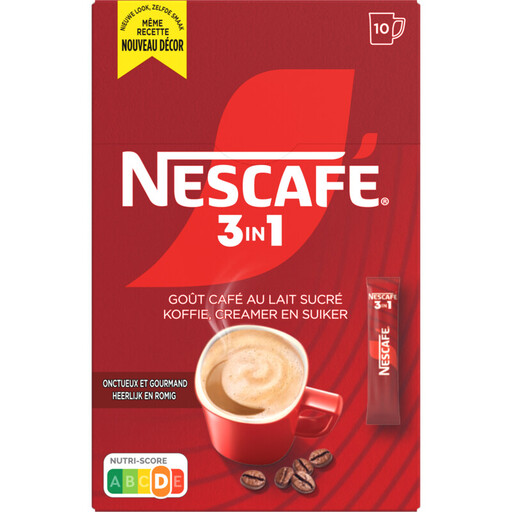
Why this fits the profile: A simple introduction to 3-in-1 coffee. Just add around 150 ml of hot water per sachet, with no need for milk, sugar or a coffee machine.
The ingredients and serving preparation are clearly stated. You know upfront that sugar and creamer are part of the drink.
10 individual sachets, 7.6% instant coffee according to the label, and suitable for home or on the go.

Why this fits the profile: A jar containing only instant coffee for those who want to control the strength, water amount and any additions themselves.
The ingredients list states only instant coffee. So there are no fixed sugar or milk powder ratios.
200 g content, Arabica according to the product information, and none of the 14 major EU allergens listed.

Why this fits the profile: The large jar is practical for multiple coffee moments a day at home or in the office, with no coffee machine needed.
The preparation instructions mention one or two teaspoons. So you can adjust the strength instead of following a fixed sachet dose.
200 g, up to around 120 servings according to the product information, and a blend of Arabica and Robusta.
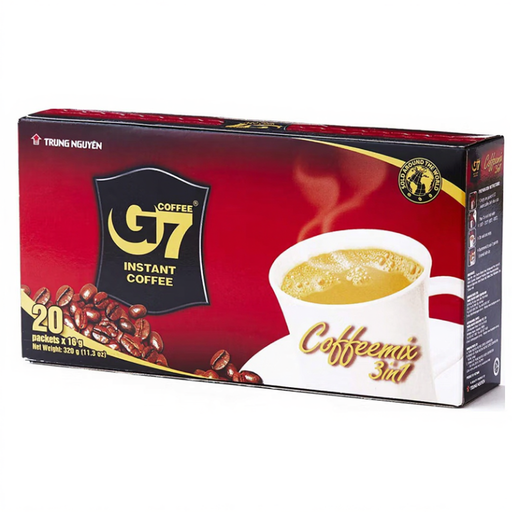
Why this fits the profile: This Vietnamese coffee combines coffee, creamer and sugar in 20 servings of 16 g each. Handy for the office, travel or a quick mug at home.
The portion size and preparation method are clearly stated. It also mentions that the product contains milk protein.
20 sachets of 16 g, quick to prepare in a few steps, and suitable for use without a coffee machine.
We've put together a full, up-to-date list of products that fully meet these strict selection criteria and comply with current European safety regulations.
Put the recommended amount of coffee powder or one sachet into a mug. Add hot water according to the label and stir until everything has dissolved. For 3-in-1 coffee, use roughly 150 ml of water. With black instant coffee, you can adjust the strength yourself.
Follow the best-before date on the packaging. An unopened jar or sealed sachet stays best protected from moisture. Once opened, seal the packaging tightly and store it in a dry place. If the powder noticeably changes in smell, colour or texture, do not use it.
That depends on the brand, dosage and packaging. A large jar can be good value for regular use, while individual coffee sticks mainly cost more for convenience and portion control. So compare the content and the number of servings stated, not just the price of the packaging.
