
Vandaag of morgen in huis

Kwaliteit gegarandeerd

Welkomstaanbiedingen ontgrendelen: GRATIS bezorging | Tot 80% korting | Gratis 30 dagen JoyPlus-proefperiode
Download de app
Instant coffee is convenient for home, the office or on the go. With hot water you can make a cup of coffee in seconds, without a coffee machine, filters or loose beans. Yet instant coffee, 3-in-1 coffee and coffee sachets differ greatly in flavour, ingredients, portion size and price per cup.
If you only look at the packaging or well-known brand names, you might choose a product that doesn’t suit how you use it. So pay particular attention to the following pitfalls.
Products with words like cappuccino instant or latte instant often contain milk powder, creamer, sugar and flavourings. That can be nice if you’re looking for a sweet, milky drink, but less suitable if you want black coffee without added sugar.
So check the ingredients list. With 3-in-1 coffee, sugar and creamer are often listed first. That doesn’t mean the product is unsuitable, but it does mean the composition is different from pure instant coffee.
Don’t just compare the weight, but also the number of cups and the recommended dosage. A 200-gram jar, for example, can yield around 100 to 120 cups, depending on how much coffee you use per mug. Sachets have a fixed portion, but can work out more expensive per cup.
For the office or daily use, a jar is usually more practical. For travel, meeting rooms or hotel rooms, individual coffee sachets are more straightforward.
Terms like sustainable coffee, responsibly grown and premium Arabica instant coffee don’t always mean the same thing. Look at the product information and any certification marks on the packaging. When a brand makes a sustainability claim, you should read it as a claim from the brand itself. According to Nestlé, the coffee in Nescafé Gold, for example, is made with 100% responsibly sourced coffee. Check the current packaging for the most up-to-date information.
Pure instant coffee consists mainly of soluble coffee. Nescafé Gold, Douwe Egberts Aroma Rood and some variants of g’woon fall into this category. You decide whether to add milk or sugar yourself.
3-in-1 coffee combines coffee, creamer and sugar. A sachet is simple: add to hot water, stir and you’re done. Do pay attention to the nutritional information and allergens. According to the product information, Nescafé 3-in-1 contains, among other things, 53% sugar and milk constituents.
The bean type influences the flavour, but it’s not a complete guarantee of personal preference.
Always check the ingredients list. With some product descriptions, the general description can differ from the listed ingredients. The packaging is therefore the deciding factor.
A resealable jar or pouch is handy for daily use, while sticks and sachets are suitable for on the go. Store instant coffee in a cool, dry place away from direct sunlight. Seal an opened package well to limit moisture and loss of aroma.
If you have allergies, pay extra attention to milk, gluten, soya and other ingredients. A product without added sugar is not the same as caffeine-free coffee. In the selection mentioned here, there is no specific caffeine-free product; so always check the label if you want to avoid caffeine.
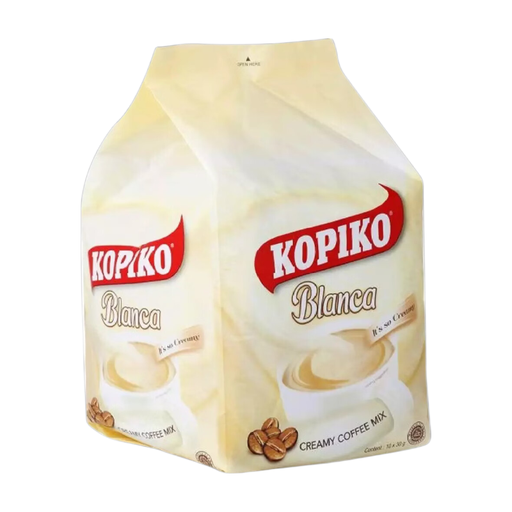
Why this fits the profile: A fixed portion with coffee, creamer and sugar is simple for home, the office or on the go. You only need hot water.
The packaging states 10 portions of 30 grams and makes the dosage predictable. Bear in mind milk, gluten and the sugar content.
300 grams total weight, fixed sachets and a mild milky flavour according to the product description.

Why this fits the profile: Suitable for those looking for pure instant coffee with a milder Arabica profile and who want to add their own milk or sugar.
According to the listed ingredients, the product contains only instant coffee, with no added sugar, milk powder or flavourings.
200-gram jar, 100% instant coffee according to the product information and none of the 14 main EU allergens listed.

Why this fits the profile: A practical choice for several cups a day at home or in the office, where you decide the strength yourself with one or two teaspoons.
The instructions mention a flexible dosage. This means you’re not stuck with a portion that’s too small or too sweet.
200 grams, 100% freeze-dried instant coffee and a blend of Arabica and Robusta beans according to the product description.
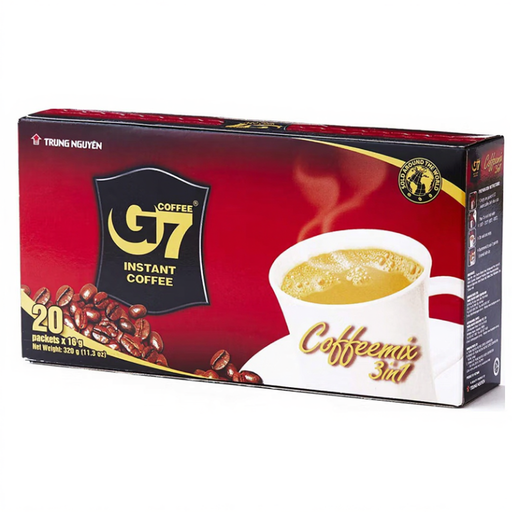
Why this fits the profile: The Vietnamese 3-in-1 mix is divided into 20 sachets of 16 grams and therefore fits in a bag, desk drawer or suitcase.
The portions are pre-measured. Do check the milk constituents and sugar content before you order.
20 individual sachets, prepared without a machine and suitable for hot or cold coffee drinks according to the product description.
We’ve put together a full, up-to-date list of products that fully meet these strict selection criteria and current European safety regulations.
For pure instant coffee, a simple method is all you need:
For a 3-in-1 sachet, use the amount of water stated on the packaging. Too much water makes the drink weaker; too little water gives a stronger and sweeter taste.
That depends on the best-before date and storage conditions. Seal a jar or pouch well and keep moisture out of the packaging. Do not use the product if the packaging is damaged and always follow the date and instructions on the label.
That varies by brand, dosage and number of cups. Pure instant coffee requires no filters, machine maintenance or coffee pods. Compare the price per prepared cup rather than just the price of the packaging.
Yes. Choose a cappuccino instant or latte instant mix for a fixed milky preparation. With pure instant coffee you can add milk or milk froth yourself, giving you more control over the flavour and amount of sugar.
