
Vandaag of morgen in huis

Kwaliteit gegarandeerd

Welkomstaanbiedingen ontgrendelen: GRATIS bezorging | Tot 80% korting | Gratis 30 dagen JoyPlus-proefperiode
Download de app
Whether you fancy a coffee in the evening, want to avoid caffeine, or simply prefer a milder routine, decaffeinated coffee offers plenty of choice – from decaf coffee capsules to caffeine-free coffee for filter machines, bean grinders and instant coffee.
However, a packet labelled “decaf” isn’t automatically the right purchase. The key differences often lie in the brewing system, flavour intensity, contents and ingredients. These checkpoints will help you avoid buying a product that doesn’t fit your machine or suit your drinking moment.
Nespresso decaf, Dolce Gusto decaf and Senseo decaf are not interchangeable terms. Nespresso capsules are a different size to Dolce Gusto capsules. What’s more, Senseo uses coffee pods rather than hard capsules.
So, before you buy, check:
Decaffeinated coffee can taste smooth, mild, fruity, intense or lightly roasted. The term “decaf” mainly describes the caffeine content, not the flavour experience. So look for verifiable information such as roast level, intensity, blend and recommended brewing method.
According to the product description for Douwe Egberts Decaf, for example, it is a medium roast with a smooth flavour intensity of 05 on a scale of 01 to 09. That gives you far more to go on than just a bold claim on the front of the pack.
A box of 20 capsules might look like good value, but it’s better to compare the price per cup. Also pay attention to the contents: a 500 g bag of filter coffee will typically give you far more cups than a box of 10 sticks. With cappuccino or café au lait sticks, you’re also paying for milk powder and other ingredients, not just the coffee.
For decaffeinated coffee capsules, compatibility is the first thing to check. L’OR Decaffeinato and the Nescafé Lungo Decaffeinato in this overview are described as being intended for Nespresso and Dolce Gusto machines respectively.
For decaffeinated coffee pods, products such as SENSEO Base Decaf and g’woon Decaffeinated Coffee Pods are designed for Senseo machines. Don’t use a pod in a capsule machine – the shape and water flow are different.
Choose based on your daily use:
Always check the label, especially with cappuccino, café au lait and other mixes. According to the product information, Nescafé Gold Cappuccino Unsweetened Decaf contains skimmed milk powder and lactose, among other things. The AGF Blendy stick contains milk components and sweeteners according to the listed ingredients.
Store coffee in a dry, cool place away from direct sunlight. Seal opened packs tightly. For ground coffee, the product information from Douwe Egberts advises folding the pack closed and sealing it well after opening. Also check the best-before date and don’t use any packaging that is damaged.
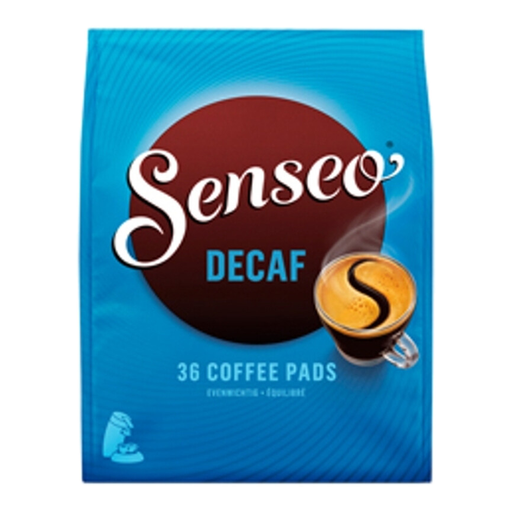
Why this fits the profile: The pack contains 36 pods and is described as suitable for SENSEO machines. That makes it a practical choice for daily use without the need for individual dosing.
The compatibility and number of pods are clearly stated. You don’t need to choose a capsule system or measure out separate doses.
36 servings per pack; decaf coffee in an easy-to-use pod for a SENSEO machine.
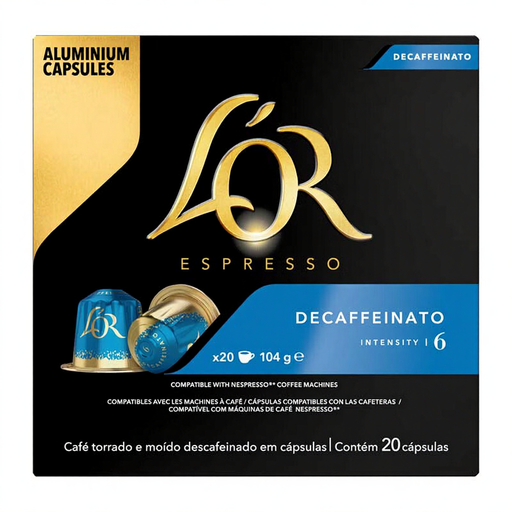
Why this fits the profile: According to the product description, this espresso is made from 100% Arabica coffee and the decaf version has a refined flavour profile with cocoa notes and a fruity touch.
The machine compatibility, number of capsules and ingredients are all in the product information. Just check that your machine supports Nespresso capsules.
20 individually wrapped capsules; 100% Arabica according to the product description; suitable for espresso.
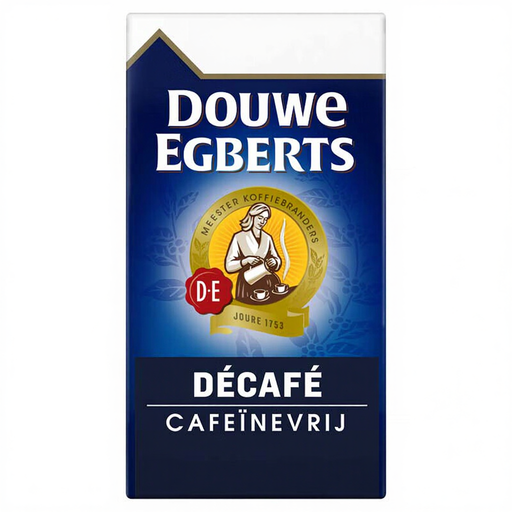
Why this fits the profile: According to the product information, this ground coffee is suitable for filter machines, French press, AeroPress, percolator and Chemex. That means you can use the same bag in several different ways.
The recommended brewing methods and dosage are stated. So you’re not buying a capsule product when you’re using a filter or manual method.
500 g ground coffee; medium roast; flavour intensity 05; suitable for multiple brewing methods.
We’ve put together a full, up-to-date list of products that fully meet these strict selection criteria and comply with current European safety regulations.
Check the product information and label for this. Brands use terms like “decaf” and “caffeine-free”, but the exact wording can vary from product to product. If you want to avoid caffeine strictly, it’s a good idea to read the ingredients and nutritional information, and if in doubt, consult the manufacturer.
Choose decaffeinated coffee pods that state they are suitable for Senseo. SENSEO Base Decaf and g’woon Decaffeinated Coffee Pods are examples from the range. Capsules for Nespresso or Dolce Gusto are a different shape and are not intended for a Senseo machine.
Store ground coffee in its original packaging or an airtight container, in a dry, cool place. Avoid heat, moisture and direct sunlight. Ideally, use the coffee within the period stated on the packaging or in the product information.
